
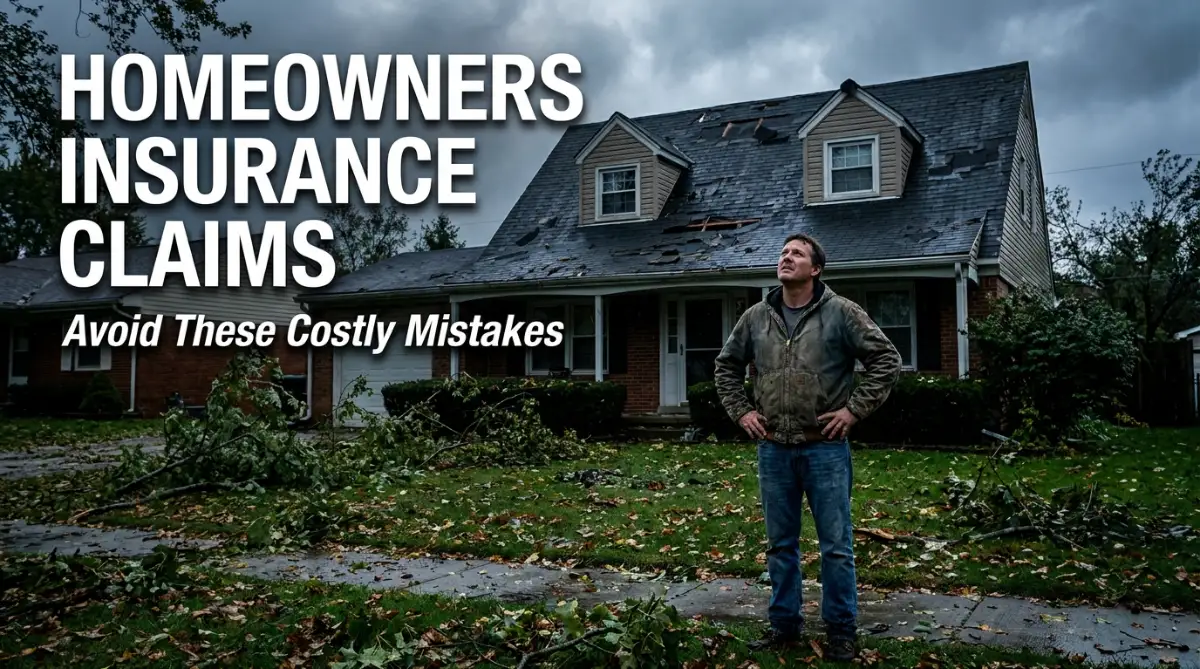
Treat Your Home Like a Crime Scene: Document Everything
The absolute biggest error you can make happens in the first twenty minutes after a storm passes. Most people grab a broom and start cleaning up the mess right away. We naturally want to restore order to our messy homes as fast as possible.
You must resist this urge completely. Before you touch a single broken branch or shattered piece of glass, you need to pull out your smartphone. You have to document the damage exactly as the storm left it.
Take hundreds of photos from every possible angle. Record long videos walking around your property while describing what you see out loud. Show the exact spots where the water is coming in and the specific items that got ruined.
If you clean up before taking pictures, you destroy your own evidence. The insurance company needs visual proof to justify paying your claim. Without solid proof, they might argue that the damage was already there before the storm hit.
Pro Tip: I completely ruined my chances of getting a new television covered because I threw it in the dumpster before the adjuster arrived. Always keep every single damaged item in a safe spot until the insurance company explicitly tells you to throw it away.
The Danger of Waiting Too Long to Report the Damage
Time is your absolute worst enemy after a major weather event. Many homeowners wait a few weeks to call their insurance agent. They often think the damage is minor or they just feel too overwhelmed to deal with paperwork.
This delay gives the insurance company a massive loophole to deny your request. Most policies require you to report sudden damage as quickly as possible. If you wait too long, they will claim you neglected your property.
Let us say a few shingles blew off your roof during a heavy windstorm. If you ignore it, rain will eventually seep into your attic and cause dangerous black mold. The insurance company will pay for the roof, but they will likely refuse to pay for the mold removal.
They will argue that the mold was caused by your failure to report the initial problem. You always want to get a claim number assigned on the very first day. Calling them early puts you in the front of the line when hundreds of other people are also calling.
Myth vs Reality: Understanding Your Responsibilities
There are a lot of rumors out there about how home insurance actually works. Let us clear up some of the most common misunderstandings right now. Knowing the facts will save you a lot of headaches down the road.
Myth: The insurance company will handle all the emergency repairs for me automatically.
Reality: It is your legal responsibility to stop further damage from happening to your home.
You must take immediate action to protect your property from getting worse. If you have a broken window, you need to board it up or cover it with a heavy plastic tarp. If water is pooling on the floor, you need to set up fans and dry it out.
Keep every single receipt from the hardware store when you buy these emergency supplies. Your policy will almost always reimburse you for these temporary protective measures. Just remember that temporary repairs are very different from permanent fixes.
Do not hire a contractor to do a permanent repair until the adjuster has given you written approval. If you replace the whole roof before they see it, they will absolutely deny your entire claim.
Beware of the "Storm Chaser" Contractors
After a massive weather event, your neighborhood will probably be flooded with roofing contractors. They will knock on your door, hand you a shiny flyer, and promise to handle everything for free. These people are often called storm chasers in the industry.
Some of them are honest, hard-working professionals just looking for local jobs. However, many of them are scammers trying to take advantage of desperate homeowners. They will ask you to sign a paper called an Assignment of Benefits.
Never sign this document without having a lawyer or trusted advisor read it first. When you sign it, you give the contractor the legal right to collect the insurance money directly. You lose all control over your own claim and the quality of the repairs.
Always hire a local, established contractor who has a real physical office in your town. Ask your neighbors for recommendations and read online reviews before letting anyone on your roof. A good contractor will work patiently alongside your insurance company without forcing you into bad contracts.
Do Not Blindly Accept the First Settlement Offer
Eventually, the insurance adjuster will finish their report and send you a settlement estimate. Seeing a check in the mail can feel like a massive weight has been lifted off your shoulders. Most people just cash the check immediately so they can move on with their lives.
This is a massive financial trap that you need to avoid. The first offer is almost always a lowball estimate designed to save the company money. They hope you are too tired and stressed to fight back.
Take that initial estimate and show it to three different local contractors. Ask them if they can actually complete the repairs for the amount the insurance company offered. Nine times out of ten, the contractors will tell you the estimate is missing important items.
The adjuster might have missed the fact that your local building codes changed recently. They might have calculated the price of basic cheap carpet when you actually had premium hardwood floors. You have every right to dispute their initial findings.
The Difference Between Actual Cash Value and Replacement Cost
You need to pull out your insurance policy right now and read the fine print. You have to know exactly how your company calculates the value of your damaged items. There are two main ways they do this, and the difference is massive.
Actual Cash Value (ACV) means they will pay you what the item is worth today, minus depreciation. If your ten-year-old couch gets ruined by rain, they will not give you enough money to buy a new one. They will only give you a few dollars based on its age.
Replacement Cost Value (RCV) means they will give you enough money to buy a brand-new version of that same item. This is the coverage you absolutely want to have on your policy. It prevents you from having to spend your own savings to replace your belongings.
If you only have ACV coverage, your payout is going to be surprisingly small. Knowing this ahead of time will help manage your expectations when the check finally arrives.
Keeping a Detailed Paper Trail
Your memory is going to fail you when you are dealing with extreme stress. You will forget the names of the people you spoke to and the promises they made on the phone. This is why keeping a meticulous paper trail is your strongest weapon.
Buy a cheap notebook and dedicate it entirely to your storm damage situation. Every single time you call the insurance company, write down the date and the time. Ask the representative for their full name and their direct extension number.
Write a quick summary of what you discussed and what the next steps are supposed to be. If things go wrong later, you can use this notebook to prove exactly what you were told. Send follow-up emails after every phone call just to get everything in writing.
Create a special folder on your computer to save all your repair estimates and emergency receipts. The more organized you are, the faster your claim will move through the system. Adjusters secretly love working with organized homeowners because it makes their job significantly easier.
When to Bring in Professional Reinforcements
Sometimes, no matter how perfectly you follow the rules, the insurance company will still fight you. They might deny a completely valid claim or offer you pennies on the dollar. When this happens, you should not try to fight a billion-dollar corporation alone.
This is the perfect time to hire a Public Adjuster. A public adjuster is a licensed professional who works directly for you, not the insurance company. They understand the complex policy language and know how to negotiate fair settlements.
They usually take a small percentage of your final payout as their fee. For many exhausted homeowners, giving up a small percentage is totally worth the peace of mind. They will take over all the frustrating phone calls and aggressive emails.
Just make sure you hire someone who is properly licensed in your specific state. A good public adjuster can often double or triple the amount of money you eventually receive.
Filing a claim does not have to be a confusing nightmare. By simply slowing down and documenting everything, you take back your control. Protect your family, protect your investment, and demand the fair treatment you have been paying for all these years
Mastering the Negotiation Game: Insider Secrets to Maximize Your Payout
Dealing with an insurance claim is a lot like playing a high-stakes game of chess. The insurance company has a team of experts on their side, so you need to have a solid strategy on yours. You cannot just sit back and hope they decide to be generous with their checkbook.