
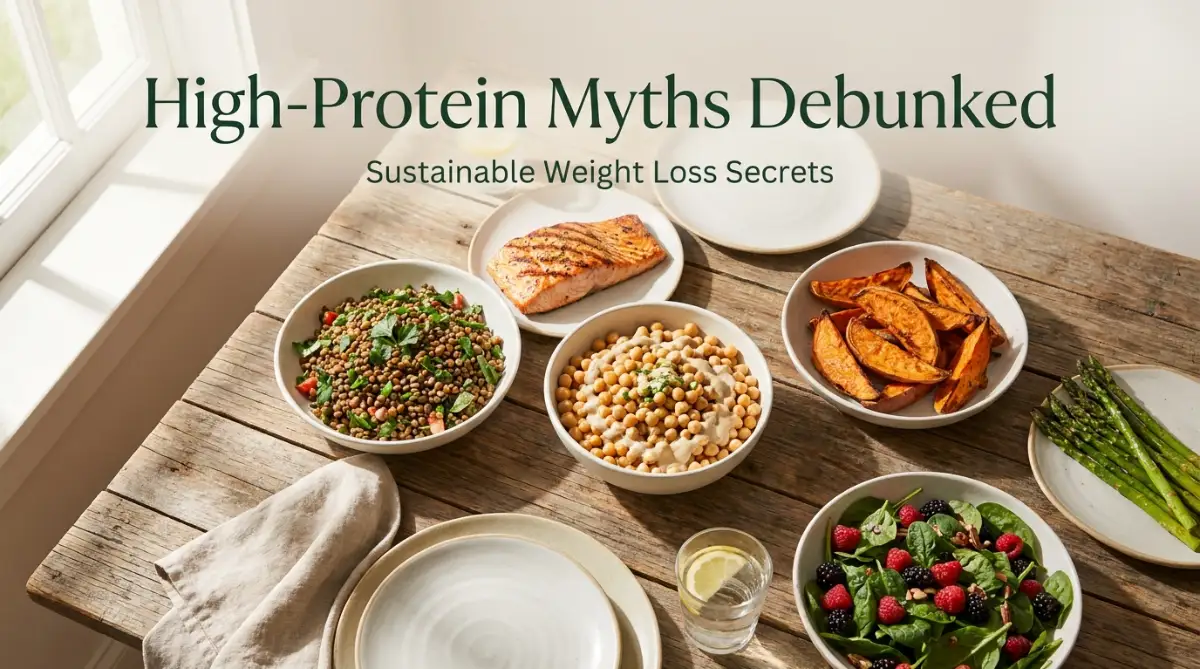
The Breaking Point: My Personal Battle With the Protein Obsession
I remember sitting at my kitchen table, blankly staring at yet another plate of dry chicken breast and steamed broccoli. My jaw actually ached from chewing so much dense meat every single day.
For months, I forced myself to consume massive amounts of protein because every fitness guru on the internet promised it was the magic ticket to getting lean. I spent a fortune on expensive powders, premium steaks, and heavily processed protein bars.
But instead of feeling light and energetic, I felt incredibly heavy, constantly bloated, and completely drained of energy. The scale absolutely refused to move, and my frustration was slowly turning into quiet despair.
I was doing everything exactly the way I was told, yet my body felt like it was working entirely against me. My social life took a massive hit because I was terrified of going out to restaurants and eating something that did not fit my rigid, protein-heavy rules.
I avoided dinners with friends, skipped family gatherings, and isolated myself in a bubble of meal prep containers. It felt like I was living in a dietary prison of my own making.
The mental exhaustion was honestly worse than the physical discomfort. Every day, people just like me are waking up feeling tired, sluggish, and incredibly confused by the endless contradictory advice online.
You try to do the right thing for your health, but the strict rules make you feel like a complete failure when you slip up and eat a normal meal. We lose our peace of mind worrying about hitting arbitrary daily targets instead of actually listening to what our bodies naturally need.
Food is supposed to bring us joy and nourishment, not extreme anxiety and painful digestive issues. The constant stress of tracking every single gram steals the simple pleasure of sharing a warm meal with the people we love.
I finally reached a breaking point where I knew something had to completely change. I realized that the mainstream narrative about eating massive amounts of protein was completely flawed.
I decided to look past the noisy marketing campaigns and actually study how the human body digests and uses food. What I found completely shattered everything I thought I knew about nutrition and weight loss.
Shattering the Illusions: What Actually Happens Inside Your Body
Before we can build a healthy relationship with food, we have to clear away the garbage information that clutters our minds. So many people are stuck in a frustrating cycle of losing a few pounds and gaining them all back.
This happens because they are building their habits on a foundation of popular myths rather than actual science. Let us look closely at the most common misunderstandings that keep people trapped in the yo-yo dieting cycle.
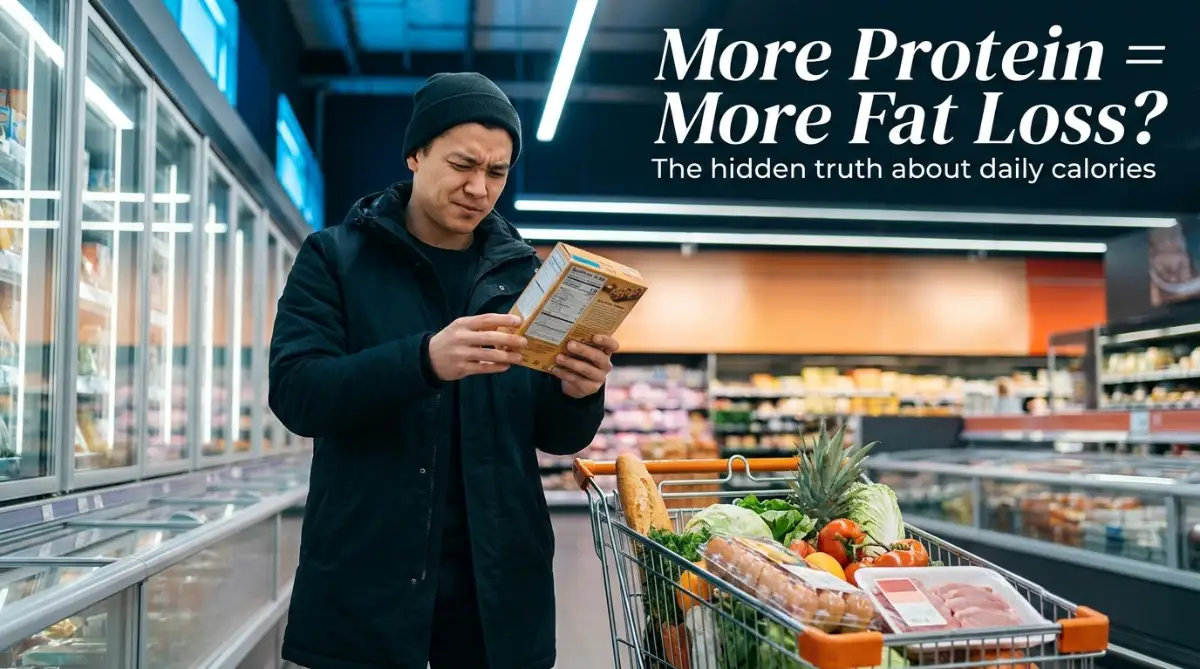
The Magic Bullet Myth: More Protein Equals Automatic Fat Loss
There is a very popular idea floating around that protein calories somehow do not count. People believe that if they replace all their carbohydrates and fats with protein, their body will naturally melt away unwanted fat.
This is scientifically impossible and highly misleading. Your body operates much like a bank account when it comes to energy balance.
If you deposit more money than you spend, your balance grows. Similarly, if you consume more calories than your body burns through daily movement and basic survival functions, you will store the excess energy as fat.
It absolutely does not matter if those extra calories come from a giant bowl of pasta or an entire platter of grilled fish. Your digestive system will break down the excess protein and convert it into stored energy.
Consider a real-life scenario with someone named David. David decides to lose weight, so he starts eating three large protein bars a day on top of his regular meals.
He assumes the extra protein will automatically build muscle and burn fat. Instead, David gains five pounds in a month because those bars added an extra 700 calories to his daily intake.
Protein is not a magical fat-burning substance; it is simply a macronutrient with calories. While it does help you feel full, overeating it will always lead to weight gain.
The Danger Illusion: High Protein Will Destroy Your Kidneys
On the opposite side of the spectrum, there is a widespread fear that eating a lot of protein will severely damage your internal organs. You have probably heard well-meaning relatives warn you about kidney failure.
This specific myth actually originated from medical advice given to patients who already had advanced kidney disease. For someone with severely compromised kidneys, filtering the byproducts of protein breakdown can be very difficult.
However, applying this rule to a healthy individual is like telling someone with perfectly good eyesight to wear heavy prescription glasses. Medical studies consistently show that healthy kidneys are perfectly capable of handling a higher protein intake.
Your kidneys are incredibly efficient, highly adaptive filtration systems. When you eat a protein-rich meal, your kidneys naturally increase their filtration rate to process the nutrients safely.
The real danger to your kidneys is not a chicken breast or a serving of lentils. The actual risks come from chronic high blood pressure, untreated diabetes, and severe dehydration.
If you have healthy kidneys, you do not need to fear normal protein consumption. Just remember to drink plenty of water throughout the day to help your body flush out natural waste products smoothly.
The Meat Monopoly: Plants Cannot Build Real Muscle
Walk into any gym, and you will hear someone claim that you must eat pounds of beef and chicken to see any real changes in your body. They will tell you that plant-based foods have "incomplete" proteins and are practically useless.
This outdated concept creates massive anxiety for people who want to eat less meat for environmental, ethical, or digestive reasons. The truth is that your body does not care where the protein comes from, as long as it gets the right building blocks.
Proteins are made up of smaller molecules called amino acids. When you eat food, your stomach breaks the protein down into a pool of these amino acids.
Your body then pulls from this pool to build muscle, repair tissue, and create hormones. If you eat a diverse mix of plant foods throughout the day, your body easily collects all the necessary amino acids it needs.
You do not even need to combine them perfectly in a single meal. A bowl of oatmeal in the morning and a serving of black beans in the afternoon will provide a complete profile.
Here is a simple look at how plant sources easily compete with traditional animal sources.
As you can clearly see, plants offer plenty of structural material alongside incredible bonuses like fiber and antioxidants. You can absolutely achieve your health goals without ever touching a piece of meat if that is your preference.
How to Build a Sustainable Plate Without the Stress
Now that we have cleared away the confusing myths, we need to focus on what actually works in the real world. You do not need a Ph.D. in nutrition to build a body that feels good and functions beautifully.
Sustainable weight management is completely dependent on creating habits that you can maintain for years, not just a few miserable weeks. Let us look at practical, stress-free ways to optimize your daily meals.
Finding Your Personal Sweet Spot
The biggest mistake people make is copying the diet plan of a professional bodybuilder or a fitness influencer. A 220-pound athlete training twice a day needs a vastly different amount of food than a 150-pound office worker.
Instead of aiming for extreme numbers, try to aim for a moderate, highly personalized target. A generally accepted scientific guideline for active adults is consuming around 0.7 to 1 gram of protein per pound of your ideal body weight.