
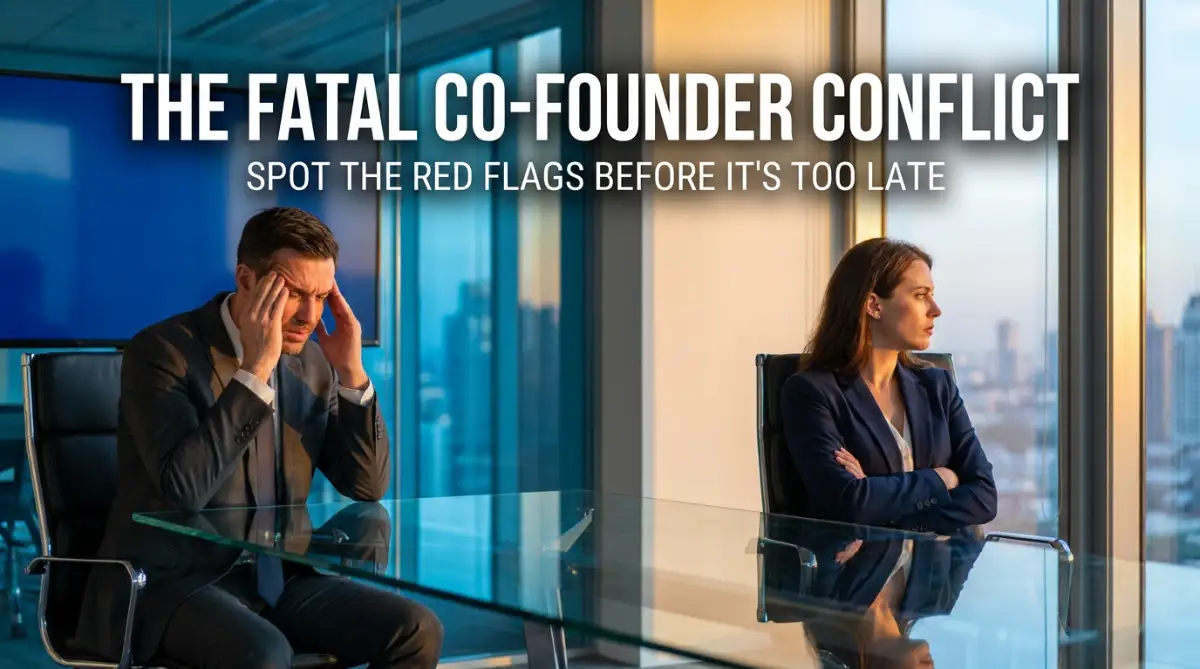
The Unspoken Nightmare of Sharing Your Dream
I still remember the exact moment my chest tightened during our third investor meeting. My co-founder and I started our company in a tiny apartment with endless enthusiasm and late-night pizza boxes scattered everywhere. But somewhere along the way, our shared dream turned into a silent, freezing battlefield. I found myself staring at the ceiling at 3 AM, completely paralyzed by a sense of impending doom. My own business felt like a heavy iron chain around my neck, and the person I trusted most had become my biggest source of daily anxiety. It was a dark, incredibly lonely place, and I felt entirely trapped in a cage of my own making.
This type of tension does not just stay confined to the office boardroom. A toxic partnership bleeds into every single corner of your daily existence, slowly draining your joy. You wake up dreading the simple ping of a morning Slack notification.
Your stomach drops instantly when you see their name flash on your phone screen. Friends and family start asking why you look so exhausted, but explaining this complex emotional mess feels completely impossible. You lose your appetite, your daily focus shatters entirely, and the burning passion that once drove you completely evaporates into thin air.
It is not just a professional roadblock or a simple business hurdle. It is a massive emotional weight that crushes your mental peace and leaves you feeling completely isolated, even when you are in a crowded room. You start doubting your own sanity on a daily basis.
Am I the one ruining this business? Am I overreacting to small problems? These questions haunt you while you try to put on a brave face for your team and your customers. The reality is, ignoring these deep emotional cracks early on will only lead to a massive earthquake later.
Decoding the Silent Alarms Before You Sign Anything
Building a successful company is incredibly hard, but doing it with the wrong person by your side is nearly impossible. Many eager entrepreneurs rush into partnerships based purely on excitement and shared hobbies. But running a business is fundamentally different from hanging out on the weekends.
You need a systematic way to evaluate your compatibility before real money and real reputations are on the line. Let us break down the exact warning signals you need to look for.
The Vision Mismatch: Two Captains on Different Maps
One of the biggest silent killers of a young company is having two founders who want completely different destinations. You might both agree that you want to build a great software product today. But what happens three years down the line?
If one person wants to build a small, highly profitable lifestyle business, they will make safe, steady decisions. If the other person wants to become the next massive tech unicorn, they will want to burn cash and take massive risks. You cannot sail a ship if the captains are reading two completely different maps.
This creates a brutal tug-of-war behind closed doors. Every single budgeting meeting becomes a bitter argument. Every hiring decision feels like a massive compromise that makes nobody happy.
You have to sit down and have the awkward, scary conversations right now. Ask each other where you want to be when the company hits its first major milestone. If the answers are wildly different, you are already walking into a trap.
I have to admit something a bit embarrassing about my own early journey as a founder. I once completely ignored a massive disagreement about our exit strategy because I thought we would "figure it out later" when we made some actual money. That single, foolish assumption almost bankrupted my entire company and permanently cost me a lifelong friendship. Never sweep big, uncomfortable conversations under the rug to keep the peace today.
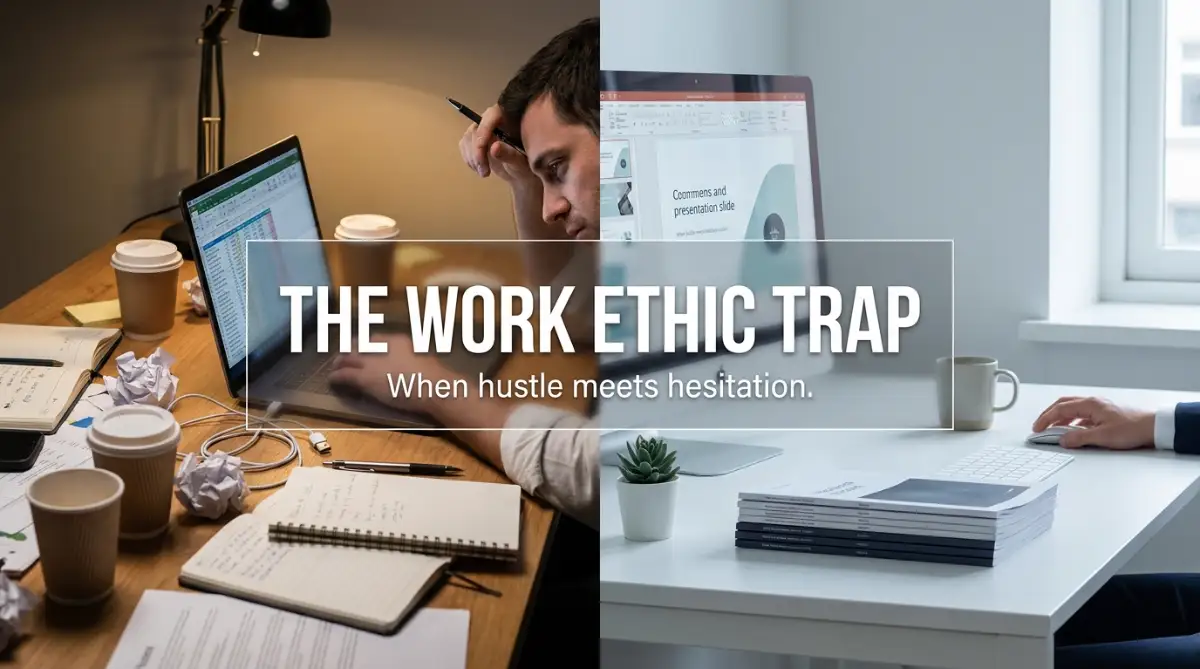
Watching Out for the Work Ethic Illusion
Work ethic is rarely about how many hours someone sits at a desk. It is about how someone approaches problems when the pressure is at its absolute highest. This is where many partnerships fall apart completely.
You might be the type of person who stays up until 2 AM to fix a critical bug before a major launch. Your partner might believe that weekends are strictly off-limits, no matter what emergencies arise. Neither approach is inherently evil, but combining them without clear rules is a recipe for pure resentment.
You need to watch out for the "Talkers" versus the "Doers." Pay very close attention to how your potential partner handles early, unpaid tasks. Do they talk endlessly about big marketing strategies but fail to write a single email?
This behavior will multiply by a hundred once the company actually launches. You will end up carrying the entire operational weight while they act as the "ideas person." This imbalance will destroy your respect for them very quickly.
Financial Risk Tolerance and Money Mindsets
Money is deeply personal, and everyone has a different psychological relationship with it. When you merge your financial future with a co-founder, their money mindset directly impacts your survival.
You need to pay attention to how they handle minor financial decisions in the very beginning. Are they overly obsessed with buying fancy office chairs before you have a single paying customer? Or are they so cheap that they refuse to spend money on basic software tools that would save you hours of work?
These small actions are massive red flags for how they will manage investor funds or company revenue. A drastic difference in risk tolerance will paralyze your business growth.
If you are willing to take a calculated financial risk to dominate a new market, but your partner is terrified of losing a few dollars, you will miss incredible opportunities. You will constantly feel like you are driving a sports car with the parking brake fully engaged.
The Conflict Resolution Stress Test
Disagreements in a startup are not just common; they are guaranteed to happen weekly. The warning sign is not that you argue. The warning sign is how you argue.
Notice what happens when you tell your partner they made a mistake. Do they instantly get defensive and start pointing fingers? Do they give you the silent treatment for three days?
Or do they listen carefully, admit their fault, and help you find a logical solution? A startup is a high-pressure cooker, and poor communication skills will cause an explosion.
You need a partner who fights fair. They need to attack the problem, not your character. If they use personal insults or bring up past mistakes to win an argument, you need to walk away immediately.
Business challenges are hard enough to solve. You cannot afford to waste your mental energy managing the fragile ego of a toxic partner.
Myth vs. Reality: The Co-Founder Dynamic
Let us clear up some dangerous misconceptions that force people into bad partnerships. Here is a simple breakdown of what people believe versus what actually happens.
This table highlights why you cannot rely on gut feelings alone. You need structure, clear boundaries, and brutal honesty.
The Hidden Danger of Unspoken Expectations
One of the sneakiest warning signs is when a partner operates on secret assumptions. They might secretly expect to be the CEO just because they came up with the original name for the product.
They might assume they can work part-time while keeping the same equity as you. When these hidden expectations finally come out into the open, the betrayal feels incredibly deep.
To prevent this, you have to write everything down on a physical piece of paper. You need to map out exact roles, expected hours, and specific responsibilities. If a potential partner hesitates to put their promises in writing, they are already planning to back out.
Do not let them brush off this exercise by saying, "We trust each other, right?" Trust is fantastic, but clarity is what actually saves a business from burning to the ground.
How Ego Destroys Early Momentum
An unchecked ego is the absolute poison of early-stage growth. You can spot an ego problem very early if you know exactly what to look for.
Does your partner constantly interrupt you during meetings with external vendors? Do they care more about having the "Founder" title in their email signature than actually talking to customers?
A great co-founder is obsessed with finding the right answer, even if the answer comes from you. A toxic co-founder is only obsessed with being right.
If they cannot handle constructive feedback on a simple graphic design or a marketing pitch, how will they handle a major product failure? They will inevitably blame everyone else around them.
You want a partner who possesses high emotional intelligence. They should be able to separate their personal self-worth from the daily operations of the company.
Identifying the Over-Promiser
We all know the type of person who promises the moon and delivers absolutely nothing. In the beginning, their charisma is incredibly infectious and inspiring.
They tell you they have massive networks, rich investor connections, and secret industry knowledge. But weeks turn into months, and none of those grand promises ever materialize.