

Why Having a Great Idea Feels Like a Heavy Burden
I remember staring at my notebook at 2 AM, feeling completely paralyzed by my own ambition. I had this brilliant idea for a platform that I just knew people would love and use every single day.
The problem was, I did not know how to write a single line of computer code. Every time I tried to learn programming through online tutorials, my brain felt like it was going to explode.
I felt completely stuck and helpless, watching other people launch their startups while my dream gathered dust on a shelf. It is incredibly frustrating to have a clear vision in your head but lack the technical skills to actually build it.
You probably lie awake at night wondering if someone else is going to steal your concept and launch it first. You might spend hours searching the internet for a technical co-founder, only to be ignored or asked for money you simply do not have right now.
This constant anxiety ruins your mental peace and makes you doubt your own potential. You start feeling like you do not belong in the startup world simply because you cannot understand complex programming languages.
The fear of failure mixes with the fear of missing out, creating a heavy emotional burden that is hard to carry. You watch endless inspirational videos, read dozens of business books, but still find yourself stuck at square one.
I know exactly how this feels because I lived in that dark place for months. I was terrified of spending my hard-earned savings on a freelance developer who might run away with my money.
However, everything changed when I realized that you do not need to be a software engineer to test a business idea. You just need a practical system to prove that people actually want what you are trying to sell.
Turning Your Notebook Scribbles into a Working Reality
If you are tired of waiting for a magical tech genius to save you, it is time to take matters into your own hands. We are going to look at a highly practical, step-by-step method to bring your idea to life.
You can build a fully functional prototype today using tools that are as simple as playing with digital Lego blocks. Let us break down this massive goal into small, completely manageable actions you can take right now.
Defining the Core Problem (And Ignoring Everything Else)
The biggest mistake you can make right now is trying to build the next Facebook or Amazon on your first try. When we have a new idea, we naturally want to include every single cool feature we can imagine.
We think our app needs user profiles, chat systems, dark mode, and a complicated point reward system. This is a massive trap that will drain your energy and empty your bank account before you even launch.
Instead, you need to ruthlessly strip away everything except the absolute core problem you are solving for your customer. If your goal is to help busy parents find trustworthy babysitters, your first version does not need a built-in payment gateway.
It just needs a simple way for a parent to see a list of babysitters and get their phone number. That is the true meaning of a "minimum" product.
Pro Tip: I used to think my project needed twenty different complex features to impress people. Then I realized my first users only cared about solving their immediate headache, which saved me months of wasted effort and money.
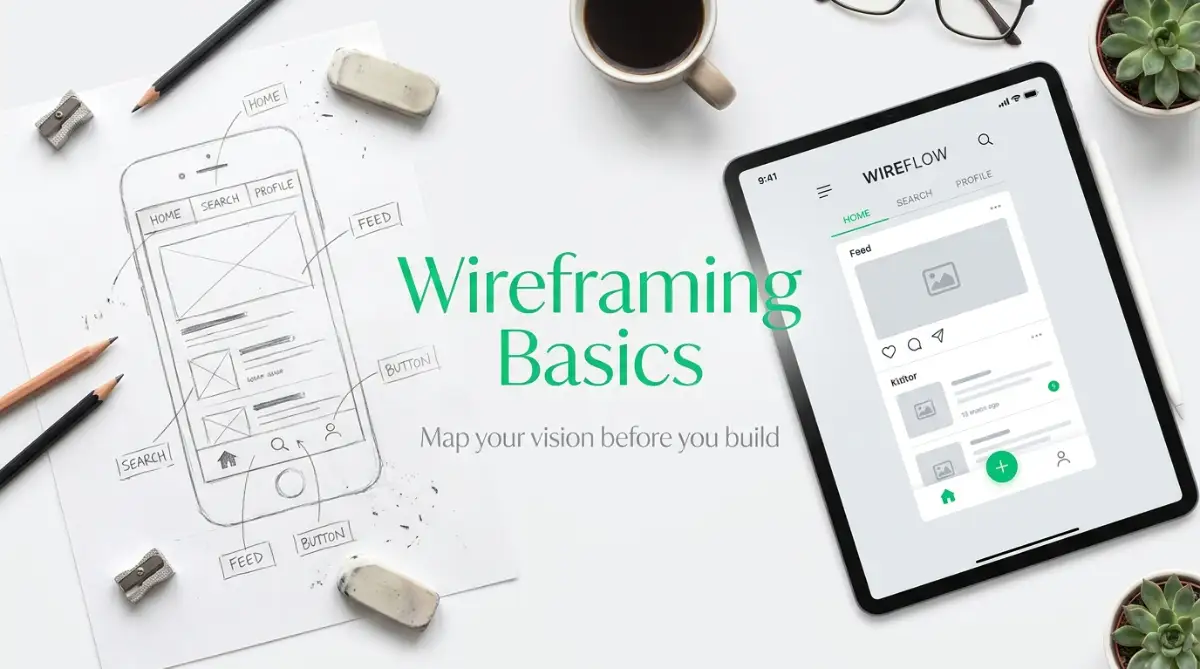
The Power of the Ugly Napkin Sketch
Before you touch any software, you need to map out how your product will actually work in the real world. You do not need expensive design tools for this step; a simple pen and a piece of blank paper are perfect.
Start by drawing a rectangle to represent a phone screen or a computer monitor. Inside that box, sketch out exactly what a user will see when they open your product for the very first time.
Where does the main button go? What does the headline say? Draw an arrow from one screen to the next to show what happens when someone clicks that main button.
This process is called wireframing, and doing it on paper forces you to think about the user experience without getting distracted by pretty colors. If your paper sketch feels confusing to look at, your final digital product will be a complete disaster.
Myth vs. Reality in Product Planning
-
The Myth: You need a 50-page business plan to validate your software idea.
-
The Reality: A simple 5-page paper sketch is often enough to explain your entire concept to a potential customer.
Setting Up a Waitlist to Test Real Demand
You should never spend months building a product before you know if people actually want to use it. The smartest entrepreneurs build a simple landing page first to measure the actual demand in the market.
You can use simple drag-and-drop website builders to create a beautiful page in just one afternoon. On this page, clearly explain the problem you are solving and how your upcoming product will fix it.
Add a simple email signup form with a bold button that says something like "Get Early Access." If you share this page and nobody signs up, it means your idea might need some heavy adjustments.
If hundreds of people give you their email addresses, you now have scientific proof that your idea is worth pursuing. This simple test saves you from building something that nobody wants to buy.
Choosing Your No-Code Building Blocks
We live in an amazing time where visual software builders have completely changed the rules of entrepreneurship. These platforms allow you to create real, working applications by simply dragging elements across your screen.
You can add databases, user logins, and image galleries just by clicking your mouse a few times. Let us look at a simple comparison of popular options you can start using today.
If your idea is simple, you might want to start with a platform that turns a basic spreadsheet into a mobile app. You simply type your data into rows and columns, and the software automatically generates a beautiful interface.
This means you can have a working version of your product on your phone by dinner time tonight. As your business grows, you can easily move to more advanced platforms that handle complex logic.
The Wizard of Oz Testing Strategy
Sometimes, the best way to test an idea is to fake it until you can actually make it. The "Wizard of Oz" method means making the front of your business look automated, while you do all the hard work manually behind the scenes.
When the founder of Zappos wanted to test if people would buy shoes online, he did not build a massive inventory system. He simply took pictures of shoes at local stores, posted them online, and physically went back to buy them when an order came in.
You can do the same thing with your service right now.
If you want to create an automated travel booking app, start by acting like a personalized travel agent through email. Have customers fill out a simple web form with their preferences and budget.
Then, you manually search for flights and hotels, sending them a beautiful PDF itinerary. This manual process teaches you exactly what your customers value most, long before you pay someone to automate it.
Gathering Honest Feedback (Without Asking Your Mom)
One of the most dangerous things you can do is ask your friends and family if your idea is good. They love you, so they will naturally lie to protect your feelings and encourage your dreams.
Instead, you need to get your rough prototype into the hands of strangers who do not care about your emotions. Watch them as they try to use your product without giving them any hints or instructions.
Pay close attention to where they get confused, where they hesitate, and what makes them smile. If they click the wrong button, do not correct them immediately.
Write down every single mistake they make, because their confusion points directly to a flaw in your design. Genuine user feedback is the absolute best guide for improving your product.
The Psychology of Launching Early
Perfectionism is just procrastination wearing a really nice suit. Many founders delay their launch for months because they want the colors to be perfect or the logo to be flawless.