
The Real Struggle of Choosing the Right Protection
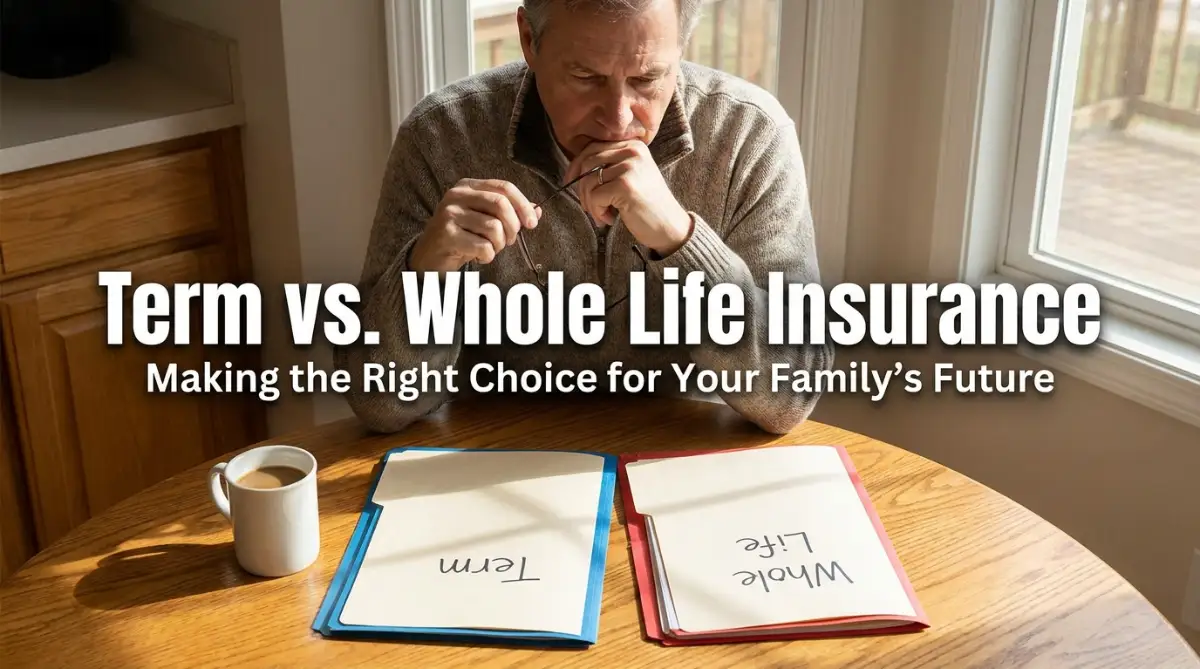
I remember sitting at my small kitchen table late at night, staring at a stack of insurance papers. My head was spinning from all the different terms my agent had used earlier that day. He kept talking about "cash value," "premiums," and "dividends," but I just wanted to know one thing. I wanted to know if my wife and kids would be okay if I wasn't there anymore. It felt like I was trying to learn a new language while my family's future was on the line.
I actually felt embarrassed because I couldn't understand the basic difference between the two main types of coverage. I felt like I was failing as a provider because I was so confused. My stomach was in knots every time I looked at those numbers. I didn't want to make a mistake that would cost me thousands of dollars later on. I just wanted a simple answer, but everyone seemed to be giving me a sales pitch instead.
Most people I talk to feel the same way when they start looking at insurance. They feel stuck between two choices that seem similar but are actually worlds apart. This confusion leads to a lot of lost sleep and constant worry about money. You might feel like you are throwing your hard-earned cash into a black hole without knowing what you get back. It is a heavy weight to carry when you just want to do the right thing for your loved ones.
This mental stress can really ruin your day and make you feel insecure about your finances. You see ads everywhere, and every company claims to have the best deal for you. But without a clear understanding, you are just guessing. This lack of clarity is what keeps many families from ever getting the protection they truly need. It makes the whole process feel scary instead of empowering.
I want to change that for you today by breaking this down into very simple pieces. We are going to look at these two options like we are comparing renting a house to buying one. Once you see the logic behind each one, the fear will start to go away. You deserve to feel confident when you sign that policy paper. Let’s walk through this together so you can finally stop worrying and start feeling secure.
Breaking Down the Basics of Term Life Coverage
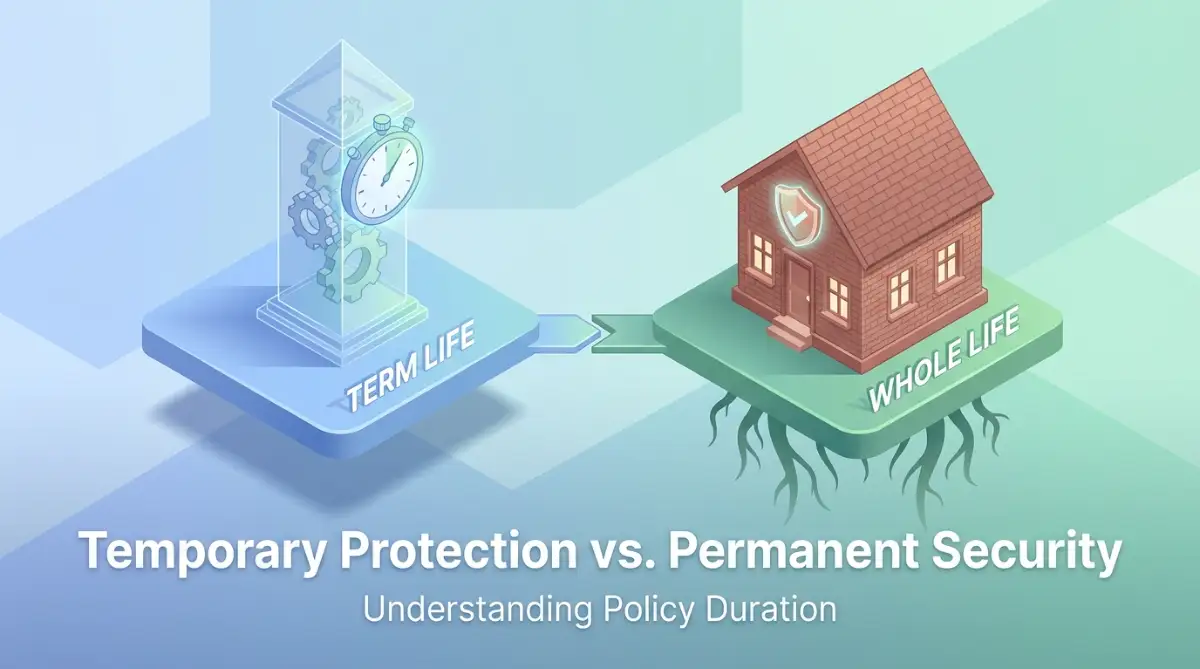
Term life insurance is the most straightforward way to protect your family. Think of it like renting a house for a specific number of years. You pay a set amount every month, and in return, the company promises to pay your family if something happens to you. Once the time is up, the "lease" ends, and you no longer have the coverage. It is designed to be simple and very affordable for most people.
Most people choose a term of 10, 20, or 30 years depending on their needs. For example, if you have young children, you might want a 20-year term to cover them until they graduate. This is why it is often called "temporary" insurance. It protects you during the years when your financial responsibilities are at their highest. You get a lot of coverage for a very low price compared to other types.
The beauty of this option is its total focus on protection. There are no complicated investment accounts or hidden fees tucked inside the policy. You know exactly what you are paying and exactly what your family will receive. It is a great choice for young families who are on a tight budget but need a large safety net. It gives you the biggest "bang for your buck" when it comes to the death benefit.
The Long-Term Promise of Whole Life Insurance
Now, let's look at whole life insurance, which is quite different. Imagine instead of renting a house, you decide to buy one with a long-term mortgage. Whole life insurance is meant to stay with you for your entire life, no matter how old you get. As long as you keep paying the bills, the policy will never expire. This gives many people a sense of permanent security that term insurance cannot offer.
One of the unique features here is something called "cash value." A portion of the money you pay each month goes into a special savings account inside the policy. Over many years, this amount grows, and you can even borrow against it if you need extra cash. It acts as both an insurance policy and a very slow-growing savings tool. This is why the monthly cost is much higher than term insurance.
Because it lasts forever and builds value, it is often used for estate planning. People who want to leave a guaranteed inheritance or pay for final expenses often prefer this route. It provides a level of certainty that your family will definitely receive a check one day. However, you must be prepared for the higher price tag that comes with this lifelong guarantee. It requires a much bigger commitment from your monthly budget.
Comparing the Cost and Value for Your Budget
When you look at the price tags, the difference is very easy to see. Term life insurance is much cheaper because the company is only taking a risk for a short time. They know that most people will outlive their term policy. This allows them to keep the prices low for everyone. You can often get a million dollars of coverage for the price of a few pizzas every month.
Whole life insurance can cost five to ten times more for the same amount of death benefit. This is because the company knows they will eventually have to pay out the claim. They are also managing that cash value account for you. For some, this high cost is worth the permanent peace of mind. For others, it might feel like an unnecessary burden on their monthly cash flow.
Pro Tip: I once made the mistake of buying a policy I couldn't afford because a salesman made it sound like a great investment. I ended up canceling it after a year and lost all the money I put in. My advice is to always pick a price you can easily pay even if your income drops. It is better to have a smaller, cheaper policy that stays active than a huge one that you have to cancel later.
How Policy Duration Affects Your Financial Plan
Choosing the length of your policy is a big part of your overall financial health. With term insurance, you are betting that after 20 or 30 years, you won't need insurance anymore. By then, your kids will be grown, your house will be paid off, and you will have savings in the bank. You are essentially using the insurance as a bridge to get you to financial independence.
With whole life, you are choosing to keep that bridge forever. This can be very helpful if you have a child with special needs who will always require care. It is also useful if you have a very large estate and want to help your heirs pay taxes. You aren't just covering a "term" of your life; you are covering your entire existence. This requires looking decades into the future to see what your needs might be.
Most experts suggest looking at your debt and your age before making this choice. If you have a 30-year mortgage, a 30-year term policy makes a lot of sense. If you want to make sure your funeral is paid for no matter when you pass away, a small whole life policy is better. It all comes down to what specific problem you are trying to solve for your family.
Seeing the Logic: A Visual Comparison of Insurance Types
Sometimes seeing the numbers and facts in a video can help clarify things even faster than reading. This short explanation helps you visualize how the money moves in both types of policies. It makes it much easier to decide which path fits your current lifestyle and your future goals.
Understanding the Role of Cash Value Growth
The cash value part of a whole life policy is often the most misunderstood. It is not like a high-growth stock market account. Instead, it grows at a steady, guaranteed rate set by the insurance company. It can take several years for the cash value to build to a significant amount. You shouldn't think of it as a way to get rich quickly.
However, having access to this cash can be a lifesaver during an emergency. You can take a loan from your policy without a credit check or a long bank application. You are essentially borrowing your own money, but you do have to pay interest back to the policy. If you don't pay it back, that amount is taken out of the final death benefit. It is a flexible tool, but you must use it carefully.
Term insurance has zero cash value, which is why it is so much cheaper. You aren't building an asset; you are buying a service. It is very similar to car insurance or home insurance. You pay for the protection, and if nothing bad happens, the company keeps the money. Most people find this acceptable because they would rather use their extra money to invest in other places like a 401k or an IRA.
Making the Decision Based on Your Life Stage
Your age and health play a massive role in which policy you should pick. If you are young and healthy, term insurance is incredibly cheap. You can lock in a great rate for the next few decades while you build your career. It is the perfect "starter" insurance for anyone just beginning their adult life. It protects your future earnings without hurting your current bank account.
As you get older, the cost for both types of insurance goes up significantly. Whole life becomes much more expensive to start when you are in your 50s or 60s. However, some people choose to convert their old term policies into whole life policies as they age. This is a common feature in many contracts that allows you to keep coverage without taking a new medical exam. It is a great safety feature to have in your back pocket.
Think about where you are right now. Are you just starting a family? Are you nearing retirement? Your life stage should dictate your choice more than anything else. There is no "one size fits all" answer in the world of insurance. What worked for your parents might not be the best move for you today. Always look at your own unique situation before signing any contracts.
The Impact of Dividends in Permanent Policies
Some whole life policies are "participating," which means the company shares its profits with you. These profits are paid out as dividends. You can take this money as cash, use it to lower your monthly bill, or let it buy even more insurance. This is a nice bonus that can help your policy grow faster over time. It makes the high cost of whole life a bit easier to swallow.
Term policies never pay dividends because there are no profits being managed for the policyholder. You get exactly what is written on the first page of your contract. For many people, this lack of complexity is a major benefit. They don't want to worry about company profits or dividend scales. They just want a guarantee that the check will clear if their family needs it.
Deciding if you want to participate in a company's profits is a personal choice. It adds another layer of things to track and understand. If you like keeping your finances simple, you might want to skip the dividends and stick with a basic plan. If you enjoy managing assets and looking for long-term growth, the dividend-paying whole life policy might be very attractive to you.
Check out this helpful breakdown to see which insurance type fits your family best right now.
Why Health Exams Matter for Both Types
When you apply for either policy, the company will likely want to know about your health. They might send a nurse to your house to check your blood pressure and take a blood sample. Your health history determines how much you will pay every month. The healthier you are, the lower your costs will be for both term and whole life.
Some policies offer "no medical exam" options, but these are usually much more expensive. The company is taking a bigger risk by not knowing your health status, so they charge you extra for it. It is almost always better to take the exam if you are in decent shape. It can save you a lot of money over the life of the policy.
If you have some health issues, don't give up hope. Different companies have different rules for things like high blood pressure or diabetes. A good agent can help you find the company that is most friendly to your specific health profile. The goal is to get the best protection at a price that doesn't break your budget. Taking care of your health today is actually a great way to save money on your insurance tomorrow.
Final Thoughts on Finding Your Path
We have covered a lot of ground regarding the differences between these two paths. You now know that term life is like a temporary safety net, while whole life is a permanent foundation. One is built for low-cost protection during your working years. The other is built for lifelong security and cash accumulation. Neither one is "better" than the other; they are just different tools for different jobs.
Take a deep breath and look at your bank account and your family's needs. Do you need a lot of coverage right now for a low price? Then term life is likely your best friend. Do you want a policy that will stay with you until you are 100 years old? Then whole life might be worth the extra cost. The most important thing is that you take action to protect the people who depend on you.
Smarter Ways to Build Your Insurance Strategy
When I first started looking into these plans, I thought I had to pick just one and stick with it forever. I felt like I was being forced to choose a side in a battle. But then I discovered a little secret that many wealthy families use. It is called laddering, and it changed how I look at protection.
Instead of buying one giant policy, you can buy a few smaller ones with different lengths. For example, you might get a 30-year policy to cover your mortgage. Then, you add a 20-year policy to cover your kids until they finish college. This way, your coverage naturally gets smaller as your needs go down. This saves you a lot of money over time because you aren't paying for coverage you don't need.
I also learned that you should always look for something called a conversion rider. This is a special feature in a term policy that lets you change it into a whole life policy later. You don't have to take another medical exam to do this. I think this is a great safety net because your health might change in the future. It gives you the flexibility to start cheap and get permanent later if your budget grows.
Another expert tip is to check the financial strength of the company you are choosing. You want a company that has been around for a long time and has high ratings from places like A.M. Best or other rating agencies. You are making a long-term promise to your family, so you need to be sure the company will be there to pay it. It’s not just about the lowest price; it’s about the trust you have in that company.
If you decide to go with a whole life plan, try to pay your premiums annually rather than monthly. Most companies charge a small extra fee if you pay every month. By paying once a year, you can save enough money to buy a few extra bags of groceries. It might seem like a lot of money at once, but the savings really add up over a decade or two.