

The Sudden Shock of a Broken Real Estate Dream
I still remember the exact moment my very first property sale fell apart right in front of my eyes. My heart sank as the buyer’s agent called me on a Tuesday morning with a tense voice. Everything seemed absolutely perfect until the inspection report came back with a massive list of hidden problems. I felt totally defeated, standing completely frozen in a house I truly thought was flawless.
That sudden rejection taught me a very hard lesson about the unseen issues lurking behind fresh paint and clean floors. The shock of losing a guaranteed buyer forced me to figure out exactly what went wrong. I realized that keeping a house looking beautiful is completely different from keeping it mechanically sound. I promised myself I would never let an invisible defect steal my peace of mind again.
Selling a home is already one of the most stressful experiences a person can ever go through. You spend weeks cleaning every corner, packing your memories into boxes, and nervously waiting for the final paperwork. Your whole family starts dreaming about the new place, mentally arranging furniture in a different city. Then, out of nowhere, an inspector finds a hidden issue, and the buyer instantly walks away.
This unexpected blow leaves hardworking families feeling trapped, exhausted, and incredibly hopeless. The massive financial strain of potentially paying two mortgages at the same time takes a horrible toll on daily peace of mind. People actually lose sleep at night worrying if their beloved house is secretly falling apart from the inside.
It feels completely unfair when a minor defect ruins months of intense hard work and careful planning. The anxiety builds up every single time the phone rings, fearing another buyer is going to back out. Every day, people are losing thousands of dollars simply because they did not know where to look.
Unmasking the Invisible Threats Inside Your House
When buyers walk through a front door, they usually look at the shiny countertops and the spacious backyard. They do not naturally look for the tiny cracks in the foundation or listen to the hum of the electrical panel. However, professional inspectors are trained specifically to hunt down the exact things you naturally ignore. To protect your property sale, you need to start thinking exactly like a professional inspector.
You must take off your rose-colored glasses and inspect your own property with brutal honesty. This means putting away your emotional attachment and searching actively for the hidden dangers lurking in the dark corners. By addressing these unseen threats early, you take total control of the negotiation process. Let us look closely at the most common hidden problems that terrify buyers and destroy sales instantly.
The Silent Destruction of Hidden Moisture
Water is undeniably the absolute biggest enemy of any residential property on the market. A tiny, slow leak under a bathroom sink might not seem like a big deal to you right now. However, to a nervous homebuyer, that tiny water spot looks like a terrifying nightmare waiting to happen. They immediately start imagining massive mold growth behind the drywall and completely rotting floorboards.
Inspectors always carry digital moisture meters that can instantly detect dampness hidden behind your freshly painted walls. If their little device starts beeping loudly, the buyer will automatically assume the absolute worst. They will start demanding huge price reductions or simply cancel the contract without a second thought.
To stop this from happening, you need to thoroughly check every single pipe in your house. Look carefully under every sink, feel the walls around your shower, and check the ceiling below your upstairs bathrooms. If you smell a strange musty odor anywhere in your basement, you need to find the source immediately. Fixing a small dripping pipe today costs almost nothing compared to losing a massive property deal tomorrow.
The Foundation Scares That Make Buyers Run
Nothing makes a potential homebuyer run away faster than the scary word "foundation." When people hear that a foundation might be failing, they instantly picture their future house collapsing into the ground. Even a completely normal, natural settlement crack can trigger intense panic in an uneducated buyer. They do not know the difference between a harmless cosmetic line and a serious structural failure.
You need to walk slowly around the entire outside of your house and look at the concrete base. Look closely for horizontal cracks, which are usually a sign of heavy soil pressure pushing against your walls. Vertical cracks are heavily scrutinized as well, especially if they are wide enough to fit a small coin inside. If doors are suddenly sticking or windows are refusing to slide open properly, your house might be shifting.
Here is the smartest move you can make: hire a structural engineer to look at any suspicious cracks before listing the house. An official letter from a licensed engineer stating the house is perfectly safe will instantly calm a panicked buyer. It completely removes the fear factor and takes away their excuse to ask for a huge discount.
Outdated Wiring and Scary Electrical Panels
Electrical safety is an incredibly massive concern for anyone purchasing a place for their family to sleep. Over the years, many homeowners try to save a little bit of money by doing small electrical jobs themselves. They watch a quick online tutorial and decide to install a new ceiling fan or add an extra outlet. Unfortunately, these amateur weekend projects almost always violate modern safety codes and create huge fire hazards.
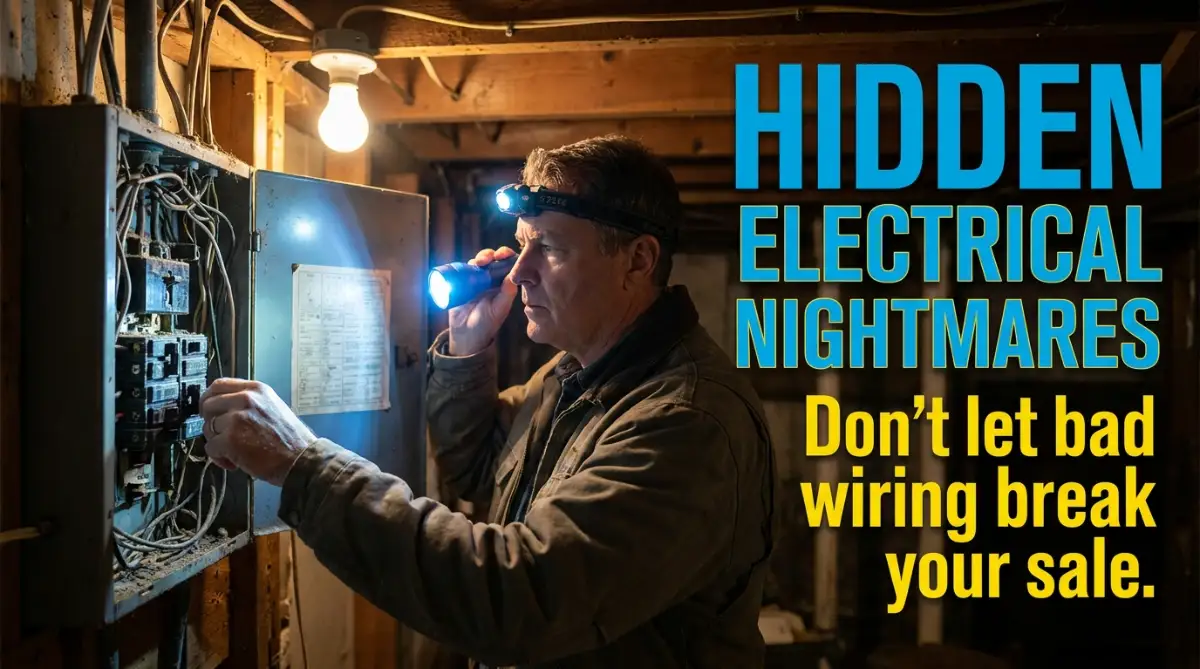
Inspectors absolutely love to open up the main electrical panel to see what is hiding inside. They look specifically for "double-tapped" breakers, which means two wires are dangerously squeezed into a space meant for one. They also look for ungrounded outlets, especially in older houses built several decades ago. If they find exposed wires in the attic or the basement, they will flag it as an immediate safety hazard.
I learned the hard way that a simple twenty-dollar fix can easily save a two-hundred-thousand-dollar deal. I always tell my friends to hire a pre-inspector before ever putting their house on the public market. It gives you the amazing power to fix minor things on your own schedule without the buyer panicking.
You should hire a licensed electrician to simply walk through the house and tighten up the panel connections. Replacing a few cheap, outdated outlets with modern GFCI safety plugs in the kitchen and bathrooms makes a huge difference. These small, inexpensive upgrades make your house look incredibly well-maintained and heavily updated in the eyes of the inspector.
The Terrifying Truth About Old Roofing
A roof is easily one of the most expensive things a person will ever have to replace on a house. Because of this high cost, buyers are extremely sensitive to any negative comments about the roofing condition. They want the absolute certainty that rain and snow will stay completely outside where they belong. If the inspector says the roof only has a few years of life left, the buyer will demand thousands of dollars in credit.
You do not necessarily need a brand-new roof to successfully sell your property at top dollar. However, you absolutely must repair the small, visible defects that make the entire roof look completely neglected. Missing shingles, curling edges, and rusted flashing around the chimney are massive red flags that stand out easily. Even a pile of wet leaves sitting inside the gutters can cause serious water damage to the wooden fascia boards.
Take a Saturday afternoon to carefully clean out all the gutters and trim back any tree branches touching the roof. If tree limbs are aggressively scraping against the shingles, they will physically destroy the protective outer layer over time. Ask a local roofer to replace the few damaged shingles and heavily seal the exposed nail heads. A clean, nicely patched roof shows the buyer that you truly cared for the home during your stay.
Plumbing Disasters Hiding in Plain Sight
Water pressure and proper drainage are things we completely take for granted until they suddenly stop working. A home inspector will walk into every single bathroom and turn on all the faucets at the same time. They want to see if the water pressure severely drops when the shower and the sink are running together. Next, they will flush the toilet to ensure everything drains perfectly without bubbling or overflowing.
Slow drains are incredibly common, but they look terrible on a professional inspection report. A buyer will assume the main sewer line is entirely collapsed and needs to be dug out of the front yard. In reality, the bathroom sink might just be clogged with a simple buildup of hair and soap.
Do not let a ten-dollar problem destroy your property value. Buy a cheap plastic drain snake from the hardware store and pull the gunk out of your drains. Make sure the toilets are tightly secured to the floor and do not rock back and forth when you sit down. A loose toilet usually means the wax ring underneath is broken, slowly leaking toilet water into the floorboards.
The Hidden Army of Wood-Destroying Pests
Nothing makes human skin crawl quite like the horrifying thought of thousands of insects eating a house from the inside. Termites, carpenter ants, and powderpost beetles are incredibly sneaky creatures that do their damage in total darkness. By the time you actually see them walking around inside your living room, the structural damage is usually already done.
Inspectors will poke the wooden beams in your basement or crawlspace with a sharp screwdriver to test for softness. If the wood easily crumbles into dust, you have a massive pest problem that needs immediate, professional attention. Buyers will panic because pest damage can secretly extend deep into the hidden walls where nobody can easily see it.
To greatly reduce this risk, you must eliminate any direct wood-to-soil contact around the outside of your house. Move your stacked firewood far away from the exterior siding and keep the foundation highly visible. Ensure that rainwater drains far away from the house, because damp wood is basically an open buffet for hungry termites. Getting a proactive pest treatment before listing the house gives the buyer complete peace of mind.
Watch this quick video to see exactly how inspectors spot hidden electrical dangers before they become a massive headache!
Bad DIY Projects That Scare Professionals
We all love a good home improvement show that promises a brand-new kitchen in just a single weekend. This unfortunately inspires many ambitious homeowners to tear down walls and install new flooring completely by themselves. While DIY projects can save a lot of money upfront, they often lead to terrible, amateur mistakes. A trained inspector can spot a DIY job from a mile away just by looking at the finishing details.
Uneven floor tiles, messy caulking around the bathtub, and baseboards that do not match the walls are dead giveaways. When an inspector sees sloppy cosmetic work, they naturally start to wonder about the things they cannot see. They will automatically assume the plumbing behind the shower wall is just as messy as the caulk on the outside. This destroys the buyer's trust in the overall quality of the property.
If you are not highly skilled at a specific trade, it is always better to leave the work to the professionals. If you already did the work and it looks slightly messy, hire a handyman to polish the final details. A nicely finished trim edge or a perfectly smooth layer of paint easily restores that professional appearance. The goal is to make the entire house look perfectly maintained by highly skilled experts, not eager amateurs.
Beyond the Basics: Pro Secrets to Guarantee a Flawless Inspection
If you really want to protect your property sale, you have to look past the fresh coat of paint in your living room. Buyers are certainly impressed by pretty kitchen cabinets, but inspectors only care about how the house actually functions. I have seen incredibly gorgeous homes fail miserably because the seller completely ignored the hidden mechanical systems. You need a proactive strategy that stops problems long before the inspector even pulls into your driveway.
One of the smartest things you can do is to heavily organize your property's maintenance history. Think of this as creating a highly detailed professional resume for your beloved house. Grab a nice binder and fill it with every single repair receipt, warranty paper, and service record you can find. When the inspector walks into the kitchen and sees a nicely organized binder on the counter, their entire mindset shifts instantly. They immediately realize this home was loved, respected, and properly maintained by a highly responsible owner.
When you establish this instant trust, the inspector is naturally less suspicious of minor cosmetic flaws. They will not assume a slightly loose door handle is part of a much bigger neglect problem. Creating a transparent paper trail is truly one of the most proven ways to reclaim your wallet during a tense buyer negotiation.
The Magic of the Pre-Listing Inspection
Many sellers absolutely hate the idea of paying for their own property inspection before listing the house on the market. They usually feel like they are just throwing good money away on something the buyer will eventually pay for anyway. I used to think the same way until a tiny, hidden plumbing leak completely ruined a massive sale for me. That terrible experience taught me that knowledge is absolutely the most powerful weapon you can hold.
Hiring your own professional inspector gives you a complete roadmap of every single thing wrong with your house. You get to discover the ugly secrets on your own terms, without a panicked buyer breathing down your neck. If the inspector finds a broken HVAC duct in the attic, you can hire a cheap handyman to fix it next week. You completely avoid the terrifying situation where a buyer demands an expensive contractor to do emergency repair work.
Most professionals follow the strict standards set by professional home inspectors to ensure nothing gets missed. When you fix the issues they point out, you effectively disarm the buyer's future inspector. Selling your house fast is often the best step toward clearing debt quickly and permanently, so you simply cannot afford these last-minute delays. Paying a few hundred dollars upfront will easily save you thousands of dollars at the closing table.
Taming the Invisible Threat of Bad Air Quality
You cannot see it, smell it, or taste it, but poor indoor air quality terrifies modern homebuyers more than almost anything else. We spend nearly all of our time inside our homes, so buyers want complete assurance that the air is perfectly safe to breathe. Radon gas is a completely natural, radioactive gas that silently seeps up through microscopic cracks in your basement floor. If a buyer runs a radon test and the numbers come back incredibly high, they will likely panic and cancel the contract.