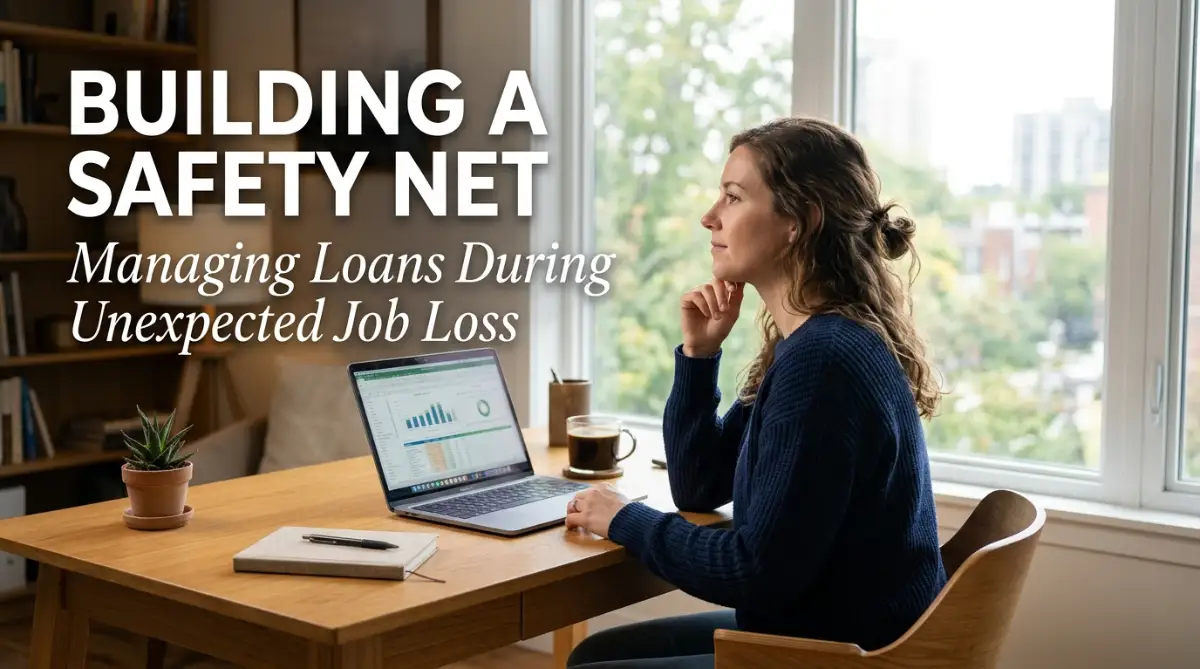
When One Missed Payment Happens
I still remember when I missed my first loan payment. I told myself it was just a small oversight, a temporary glitch in my busy schedule. I figured the bank would understand that life happens. I ignored the first email, then the second, and eventually, the notifications stopped feeling like warnings and started feeling like background noise. I thought I was buying myself time, but I was actually digging a hole that took me years to climb out of.
My confidence started to vanish as the fees piled up like heavy stones. It wasn’t just about the extra money I owed; it was the constant, gnawing anxiety that sat in my chest every time my phone buzzed. I stopped answering unknown numbers, fearing it was a debt collector. My dreams of buying a home suddenly felt like they were slipping through my fingers because my credit score was tanking. I was living in a state of quiet panic, trying to balance my pride with the reality of my bank account.
Most people think a skipped payment is just a one-time penalty fee. The reality is far more expensive. When you miss a payment, you aren't just paying a late fee. You are triggering a series of events that can affect your ability to rent an apartment, buy a car, or even get a job. The mental weight of unpaid debt creates a cycle of stress that makes it harder to think clearly. You lose your sense of security and your ability to plan for the future.
The Hidden Domino Effect of Late Payments
Many people see a loan agreement as just a contract between them and a bank. But in the real world, your payment history is your financial ID card. When you skip a payment, that information is sent to credit bureaus. This single action acts like a red flag, signaling to other lenders that you are a high-risk borrower. Even if you pay the balance later, the "late" status stays on your report for a long time.
This leads to higher interest rates on everything you borrow in the future. Imagine paying thousands of dollars more over the life of a mortgage just because of one missed payment years ago. This is the "hidden" cost that people rarely calculate when they decide to skip a payment. It is a silent tax on your future self, and it is entirely avoidable if you understand the stakes. "Consistent and on-time payments are the most effective strategy for long-term credit score improvement."
Why Your Credit Score is Not Just a Number
Your credit score is a reflection of your reliability. When you miss a payment, your score drops, and rebuilding it takes much more time than breaking it. Think of it like a reputation. It takes years to build a strong one, but only one bad decision to tarnish it. Once your score drops, your insurance premiums might even increase. This is because some insurance companies use credit-based scores to determine risk. You end up paying more for coverage, which puts even more pressure on your monthly budget.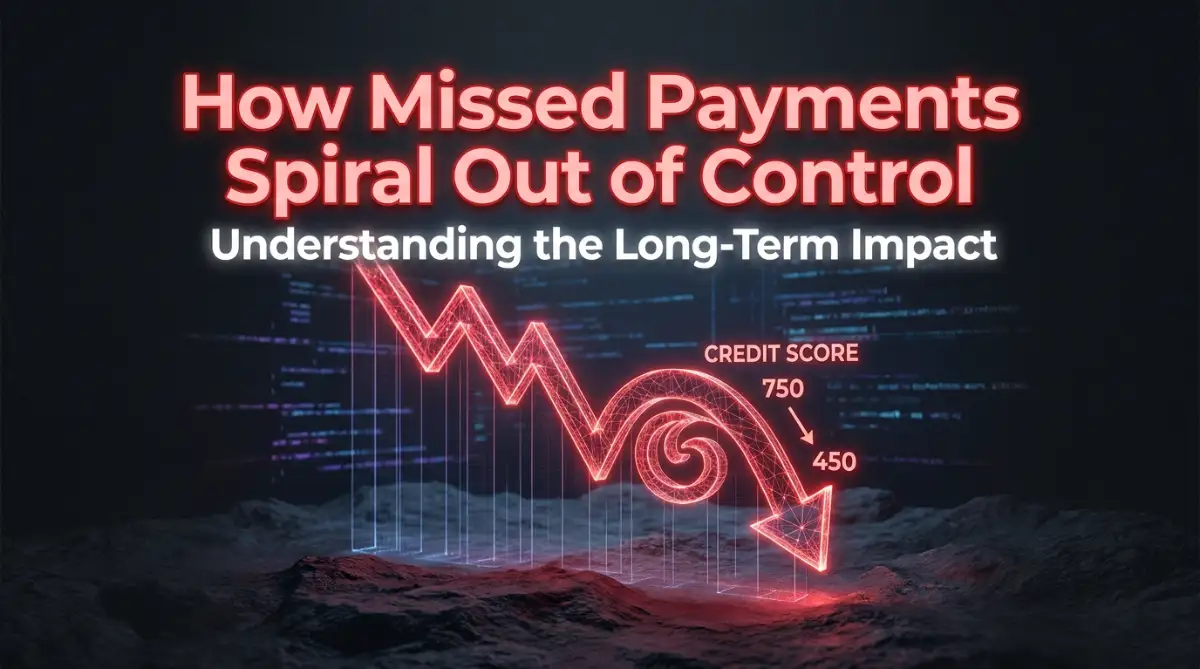
Pro Tip: My Realization
I eventually realized that I had to stop ignoring the problem and start facing it head-on. My biggest mistake was staying silent when I knew I couldn't pay. I learned that most lenders actually have hardship programs if you reach out before the payment is due. My life changed the day I picked up the phone, spoke honestly to a representative, and worked out a temporary payment plan instead of just hiding from the bill.
Strategies to Reclaim Your Financial Stability
To stop the cycle of missed payments, you need a proactive approach. You cannot just hope that money appears. You need a system that works, even when life feels chaotic. Below, I have outlined some practical steps you can take starting right now to keep your finances on track. Debt repayment is the best.
1. Set Up Automated Safeguards
Human error is the most common reason for missed payments. You might have the money in your account, but you simply forgot the date. Set up automatic payments for the minimum amount due on every single loan. This ensures that even if you are busy or traveling, the payment is made on time. You can always pay more later, but the baseline is covered. "Mastering your loan management skills now will prevent you from facing financial crises in the future."
2. Communicate Before the Deadline
If you know you genuinely cannot make a payment, do not wait until the day after the deadline. Contact your lender immediately. Explain your situation honestly. Many lenders have "grace periods" or specific "hardship assistance" options that they won't offer unless you ask. Being proactive shows that you are a responsible borrower who is facing a temporary struggle.
3. Build a "Buffer" Fund
A buffer fund is different from an emergency fund. It is a small amount of money kept in your checking account specifically to cover a gap if a paycheck is delayed. Aim to keep a few hundred dollars in this account as a "cushion." This keeps your accounts healthy and prevents you from slipping into "late payment" territory because of a banking delay or a late-clearing check.
4. Review Your Debt Consolidation Options
If you are juggling five different loans with five different due dates, it is only a matter of time before you miss one. Consider consolidating your high-interest debts into one single payment. This makes your budget much easier to manage. Having one date to remember is significantly better than managing a calendar full of deadlines.
To help you visualize how to restructure your budget and manage your loans, watch this video. It covers simple techniques that have helped many people regain control of their finances and stop the stress of missed payments.
The Long-Term Vision for Debt Freedom
Getting your payments back on track is not just about avoiding fees. It is about reclaiming your mental space. When you are no longer worried about calls, letters, or interest hikes, you can focus on your life goals. You start to see money as a tool rather than a source of pain.
Start by auditing all your current debts. Write them down on a single sheet of paper. Know your interest rates, your due dates, and your minimum payments. This clarity is your greatest weapon against debt. Once you see the numbers, you can start making a plan to pay them off.
Avoid the temptation to use "quick fixes" or predatory payday loans to cover your current payments. These will only lead to a bigger financial trap. If you are struggling, reach out to local non-profit credit counseling services. They can provide free or low-cost advice on how to organize your life.
Remember that financial health is a journey, not a destination. You might have hiccups, but the goal is to keep moving forward. Stay consistent, stay honest with your lenders, and prioritize your payments. Your future self will thank you for the effort you put in today to keep your credit history clean and your financial life stable. You have the power to turn this around, one payment at a time. Do not let one moment of struggle define your entire financial life. Take control, stay organized, and move toward your goals with confidence.
Mastering Your Financial Rhythm Beyond the Basics
Once you have established the habit of making your payments on time, it is time to look at the bigger picture. Many people stop at just "paying the bill," but there is a higher level of financial strategy that keeps your credit score growing for years. You should consider using a personal budgeting tool to map out your entire year. When you see your income and expenses laid out on a clear timeline, you stop being reactive to bills and start being in charge of them.
One secret I learned is to schedule your payments a few days before they are actually due. This buffer gives you peace of mind if a banking transfer takes longer than expected or if there is a technical holiday. You essentially create a "safety zone" around your deadlines. By doing this, you remove the stress that comes with checking your bank account every hour on the due date.
Pro-Level Secrets for Loan Longevity
If you want to maintain a high credit score, you need to understand how "Credit Utilization" works. This is the ratio of how much debt you have compared to your available credit limit. A pro secret is to keep this ratio below thirty percent, even if you are actively paying down a loan. This sends a signal to lenders that you are not desperate for cash, which makes you look much more stable in their eyes.
Another expert strategy involves negotiating the terms of your debt repayment plan if your income changes. Never assume the contract is set in stone forever. I once had a month where an unexpected medical bill threw off my budget, and I called my lender immediately. They were surprisingly willing to offer a one-time adjustment because my history of on-time payments was strong. Lenders value reliable people who communicate openly.
Building a Bulletproof Financial Routine
Consistency is not about perfection; it is about having a system that catches you when you stumble. I suggest setting up a "finance hour" once a week where you review all your upcoming bills. During this time, you verify that your account balances are sufficient and confirm that all automated payments are scheduled correctly. It only takes thirty minutes, but it prevents the massive stress of missing a payment.
You should also look into smart debt management practices that focus on paying down high-interest loans first. By focusing your extra funds on the loan with the highest interest rate, you save a significant amount of money in the long run. This is a simple math trick that effectively lowers the total cost of your debt. It turns your repayment plan into an investment in your own financial freedom.
Pitfalls That Trip Up Even the Smartest Borrowers
The biggest mistake I see people make is the "Avoidance Trap." When things get tight, the instinct is to stop opening envelopes or checking banking apps. This is the exact moment when the situation spirals out of control. By ignoring the problem, you lose the chance to ask for help before the late fees start rolling in.
Many people also make the mistake of using high-interest credit cards to pay off other loans. This is like trying to put out a fire with gasoline. You end up with a higher interest rate and a more complicated mess of payments. It is always better to look at long-term budget planning rather than looking for a quick fix that only adds to your total burden.
Another common pitfall is changing your contact information without telling your lender. If you move or get a new phone number, the bank cannot reach you to warn you about a missed payment. This can lead to missed notices and unnecessary penalties that a simple update could have prevented. Keep your contact details updated everywhere to avoid these silent errors.
The Path to Lasting Financial Confidence
Reaching a place where you are no longer worried about your loans is a massive achievement. It starts by respecting your deadlines and keeping your promises to your lenders. I know the road to being debt-free can feel long, but every on-time payment is a step forward. You are not just paying off a debt; you are buying back your peace of mind and your future opportunities.
I spent a long time fearing my mailbox because I was afraid of what I might find inside. Once I changed my habits, that fear vanished, and I felt like a weight had been lifted off my shoulders. I encourage you to take that first step today, even if it feels small. Sit down, look at your numbers, and create a plan that works for you. You have the ability to change your financial story starting right now.
Questions People Frequently Ask About Loan Repayment
Should I pay more than the minimum payment?
Yes, paying extra whenever you have the funds is one of the best ways to reduce your interest costs. It shortens the life of your loan and helps you reach debt freedom faster.
What happens if I miss a payment by only one day?
Most lenders have a grace period, but you should not count on it. Even if you avoid a late fee, it is better to set your payments to clear at least three days early to stay safe.
Is it better to talk to the bank or wait for them to call me?
Always call the bank first if you foresee a problem. Being proactive makes you look like a responsible borrower and often opens up more assistance options for you.
How does a missed payment impact my future borrowing?
A single missed payment can stay on your credit report for years, which may lead to higher interest rates on future loans, mortgages, or even car insurance.
Can I fix a credit score damaged by late payments?
Yes, your credit score is a record of your recent history. By making all future payments on time, you show lenders that you are reliable again, which helps rebuild your score over time.
Disclaimer: This content is for informational purposes only and does not constitute professional financial advice. Please consult with a qualified financial advisor or your lender regarding your specific loan agreements and financial situation.