The Reality of Financial Pressure: When Debt Feels Like a Heavy Weight
I remember the exact moment I realized my loan payments were swallowing my entire paycheck. It was a rainy Tuesday, and I sat at my kitchen table staring at a pile of bills that felt more like a mountain. My coffee had gone cold, and I was frantically moving numbers around on a piece of paper, trying to figure out how to pay for rent while keeping the interest charges at bay. It felt like I was running on a treadmill that kept increasing in speed, yet I wasn’t going anywhere. That heavy feeling in my chest? It wasn't just stress; it was the realization that I had lost control of my own money.
For many of us, this is the hidden struggle of modern adult life. You start your month with good intentions, but as soon as the loan installments hit, your budget shatters. It’s not just about the numbers on a screen; it’s the quiet anxiety that follows you into the grocery store or keeps you awake at night. You might find yourself saying "no" to every social invite, not because you don't want to go, but because you are terrified of an unexpected expense. This cycle of living paycheck to paycheck creates a mental fog that makes it hard to focus on your goals or your career. You lose your sense of freedom, and that is a steep price to pay.
The emotional toll is just as real as the financial one. When you are constantly playing catch-up, your confidence takes a hit. You might feel ashamed or frustrated, wondering why you can’t seem to "get it right" like everyone else seems to. But I want you to know something important: You are not alone in this. Most people have been exactly where you are sitting right now. The frustration you feel is a sign that you care about your future, and that desire to change is the first step toward reclaiming your life.
Mapping Out Your Financial Terrain
Before you can win this game, you have to see the board clearly. Many people make the mistake of paying off debt blindly, hoping that if they just throw money at the bank, the problem will fix itself. This rarely works because it lacks a clear direction. You need a map, and that map starts with a complete audit of your financial life. You cannot change what you do not measure, so it is time to get honest with your numbers.
Step 1: The Total Debt Audit
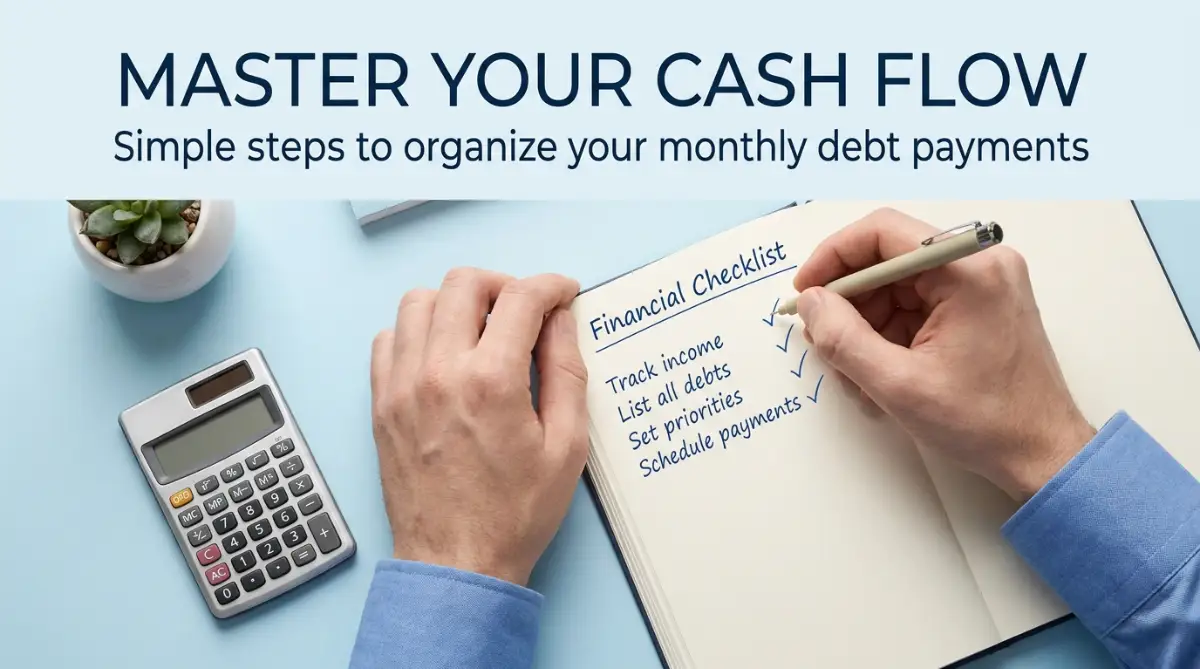
Grab a clean sheet of paper or open a spreadsheet. List every single debt you currently hold, including credit cards, student loans, or personal loans. For each item, write down the Total Balance, the Interest Rate, and the Minimum Monthly Payment. Seeing it all in one place might be uncomfortable, but it is the only way to build a real plan. Do not leave anything out, as even the smallest debts can bleed your budget dry if ignored.
Step 2: The Art of Lean Budgeting
Once you know what you owe, you need to see where your money is actually going. Track every penny for thirty days. You might be surprised to find that small, recurring expenses—like subscription services you never use or frequent takeout orders—are adding up to hundreds of dollars. Cut the fat mercilessly. This isn't about living a miserable life; it’s about choosing to spend your money on things that actually bring you value while redirecting the rest to your debt.
Step 3: Prioritizing Your Payments
There are two popular schools of thought here: the Avalanche method and the Snowball method. With the Avalanche method, you focus on paying off the debt with the highest interest rate first, which mathematically saves you the most money. With the Snowball method, you pay off the smallest balance first to build momentum. Pick the one that fits your psychology. If you need quick wins to stay motivated, choose the Snowball. If you are purely driven by logic and want to pay the least amount of interest, choose the Avalanche.
[Pro Tip]: I used to think I had to pay off everything at once, and that led to total burnout. Then, I realized that I could manage my debt better by allocating a "buffer fund" first. By setting aside a small amount for emergencies every month, I stopped dipping into my credit card whenever something broke, which finally broke the cycle of debt for me.
The Power of Automated Repayments
One of the most effective ways to stay on track is to take human error out of the equation. Most banks allow you to set up automatic transfers. Schedule your debt payments to go out the day after your paycheck hits your account. When you treat your debt payment like a "bill" that you must pay to your future self, you are much less likely to spend that money on impulse purchases.
Negotiating Your Terms
Did you know that you can sometimes lower your interest rates just by calling your lender? It sounds intimidating, but it is a standard business practice. Call your credit card company or loan provider and explain your situation. Mention that you are trying to manage your debt responsibly and ask if they have any hardship programs or ways to lower your APR. Even a 1% or 2% reduction can save you a significant amount over the long run.
Understanding the Psychology of "Why"
Debt is rarely just a math problem; it is a behavioral one. You need to identify what triggers your spending. Are you an emotional shopper? Do you spend money when you are stressed or bored? Once you identify these patterns, you can build guardrails to protect your budget. For example, if you know you spend too much money when you are scrolling on your phone late at night, uninstall your shopping apps.
Seeking Low-Cost Alternatives
We often spend money to "keep up" with others or to fulfill a need for convenience. Instead of expensive gym memberships, look for free home workouts. Instead of eating out, rediscover the joy of home-cooked meals. These shifts are not permanent sacrifices; they are tactical moves to free up cash flow so you can crush your debt faster. Every dollar saved is a dollar that buys you closer to freedom.
Staying Consistent Through the Plateau
There will be months where it feels like you aren't making progress. This is the hardest phase of the journey, but it is also where the real transformation happens. Keep checking your progress. When you see that balance drop even by a small amount, acknowledge it as a victory. You are building a new financial identity—one of discipline and control.
The Importance of a "Why"
If you don't know why you are working so hard to pay off these loans, you will quit when things get tough. Is it to travel? To own a home? To retire early? Keep that vision front and center. Put a picture of your goal on your fridge or your mirror. When you have a clear purpose, the discipline required to stick to a budget feels less like a burden and more like a bridge to your dream life.
Navigating Unexpected Financial Storms
Life will throw curveballs, and sometimes you will have to pause your debt payments to handle an emergency. That is okay. Do not judge yourself for having to pause. Just make sure that you get back on track as soon as the storm passes. Financial management is a marathon, not a sprint, and your ability to adapt is what will ultimately lead to your success.
Celebrating the Small Wins
Don’t wait until the very last loan is paid to reward yourself. Set milestones. When you pay off a credit card, treat yourself to a small, inexpensive joy—like a walk in the park or a favorite home-cooked meal. Celebrating the journey makes the process sustainable and helps you keep your spirits high. You are doing something difficult and life-changing, and you deserve to acknowledge how far you have come.
Your Path to Freedom Starts Today
You have the tools and the plan; now it is just about taking the next step. Start by reviewing your finances tonight. Look at your statements with fresh eyes. Believe that you are capable of changing your financial future. When you take control of your money, you take control of your life. Keep going, stay focused, and remember that every small payment is a step toward a much brighter, debt-free future.
If you want to see how these techniques look in practice, watch this video below for a simple breakdown of how to organize your monthly debt payments effectively.
After watching the video, take a moment to reflect on your current situation. Are there any debts you can consolidate or high-interest balances you can attack this month? Start small, stay consistent, and remember that financial freedom is earned one smart decision at a time. Your journey to a balanced life starts with the very next dollar you manage. Trust the process, trust yourself, and keep moving forward.
Master Your Financial Momentum: Going Beyond the Basics
You have already taken the hardest step: acknowledging that your debt needs a better strategy. Now, let’s talk about how to move from simply "surviving" your monthly payments to actually thriving and reclaiming your financial power. It is not just about crunching numbers; it is about building a system that works for you, even when life gets messy.
Secrets to Accelerating Your Debt Payoff
The most effective trick I ever learned was the power of bi-weekly payments. Instead of paying once a month, you split your payment in half and pay every two weeks. Because there are 52 weeks in a year, this results in 26 half-payments—which equals 13 full payments instead of 12. You end up paying off your loan significantly faster without feeling a massive pinch in your monthly cash flow.
Another pro-level secret is to apply windfalls directly to your principal. Whether it is a work bonus, a tax refund, or a cash gift, treat that money as if it doesn't exist. Before you have the chance to spend it on something temporary, send it straight to your loan provider with a note to apply it to the principal balance. This cuts down the interest that accrues over the life of your loan, which is how to protect your wallet from long-term financial drain.
If you are feeling overwhelmed, you should look into debt consolidation. Combining multiple high-interest debts into one lower-interest payment can simplify your life and lower your stress. Just be sure to read the fine print; if you aren't careful, you might end up paying more in the long run. I always suggest reading your loan contract thoroughly before signing any new agreements to ensure you aren't falling into a new trap.
Building Sustainable Financial Habits
To keep your finances balanced for years to come, you need to view your budget as a living document. It should change as your life changes. I check my accounts every Sunday morning. It takes only ten minutes, but it keeps me grounded and prevents any "surprise" charges from ruining my progress.
Be aware of how inflation changes your loan payments over time. When your cost of living rises, it becomes even more important to stick to a tight budget so your debt repayment doesn't fall by the wayside. You can learn more about clearing debt quickly and permanently to keep your momentum high. For deeper insights on managing your overall household cash flow, check out this guide on personal finance.
The Hidden Traps That Keep You in Debt
We often fall into the same patterns because they feel comfortable or "normal." However, some common actions can actively sabotage your goal of getting debt-free. One of the biggest mistakes is ignoring the fine print in your loan agreements. I have seen too many people lose money because they didn't notice sneaky loan clauses that allowed for hidden fees or variable interest hikes.
Another trap is the "all or nothing" mentality. Many people get discouraged after one bad month where they spent too much, and they decide to give up on their budget entirely. Please don't do this! A single slip-up doesn't mean you have failed. It just means you had a human moment. Simply reset the next day and keep going.
Beware of the temptation to "reward" yourself by taking on more debt. If you pay off a credit card only to celebrate by buying something expensive on a new credit card, you are just running in circles. True rewards should come from your savings, not from borrowing against your future earnings. If you have recently secured a new loan, make sure you follow these expert steps before you spend a single cent.
Your Path Forward: Owning Your Financial Future
Taking control of your loans is one of the most empowering things you can do for yourself. It is not about deprivation; it is about choosing your priorities. When you decide to pay down your debt, you are actually choosing freedom. You are choosing a future where your money works for you instead of working for the bank.
You have all the information you need to make smart, calculated choices. Start today by reviewing your high-interest accounts and making a plan to pay them off. You are capable of turning this around. I believe in your ability to shift your habits and find the peace that comes with financial independence. Stay patient with yourself and keep your eyes on the goal—you are doing great.
Common Questions About Managing Your Loans
How do I know if I should pay off my loan early?
Check your loan contract for any "prepayment penalties." If there are none, paying off the principal early is almost always a good idea because it reduces the total interest you will pay over time.
What should I do if I cannot afford my minimum payments?
Contact your lender immediately. Most banks have hardship programs, and it is much better to communicate with them early than to miss a payment and hurt your credit score.
Is it better to save money or pay off debt?
It is best to maintain a small emergency fund first, so you don't have to use credit when something breaks. Once you have a buffer, focus your extra cash on paying off your high-interest debt.
How often should I check my budget?
I recommend at least once a week. This keeps your spending habits fresh in your mind and allows you to adjust your plans if you have an unexpected expense.
Disclaimer: This content is provided for informational purposes only and does not constitute professional financial or legal advice. Every financial situation is unique, and you should consult with a certified financial planner or tax professional before making significant decisions regarding your loans or debt management.