
The Moment I Realized My Credit Score Was Slipping
I remember sitting at my desk, feeling that familiar knot of anxiety in my stomach. I was just trying to find a decent rate for a personal loan, and I thought clicking "check my rate" on a few websites would be harmless. It felt like I was being a responsible adult, doing my homework to save a little bit of money. A few weeks later, I logged into my banking app, and my heart sank when I saw those red numbers. My credit score had dipped, and for a moment, I felt completely helpless.
I had spent months building up my credit, paying every bill on time and keeping my balances low. Seeing that progress vanish because I was simply curious about loan options made me feel frustrated and foolish. I started wondering if I was ever going to be able to qualify for the things I needed without being punished for asking. It is a lonely feeling, sitting there thinking you’ve done something wrong when you were just trying to play by the rules. I know that many of you reading this are likely in the same spot right now.
The mental weight of a fluctuating credit score is real, especially when you are planning for a big life event. It keeps you up at night, wondering if that small drop will stop you from getting an apartment or a car. It makes you feel like the system is rigged against the little guy. I am here to tell you that you are not alone in this struggle, and there is a way to handle this without losing your peace of mind.
Most people don't realize that the "shopping around" process is where they get caught. You want the best deal, but the system is designed to track your eagerness as a potential risk. This creates a cycle of stress where your desire to save money leads to a lower score. It’s a classic trap that leaves many of us feeling defeated before we even start. Let’s break down exactly how you can take control back and navigate this process with confidence.
You don’t have to live in fear of checking your financial status or researching your options. It is about knowing the difference between what counts against you and what doesn't. Once you understand the mechanics, the anxiety begins to fade away. It’s not about avoiding loans entirely; it’s about being smarter than the system.
This isn't just about numbers on a screen; it's about your ability to move forward in life with stability. When your credit score is safe, you feel more secure in your daily decisions. You shouldn't have to sacrifice your financial reputation just to see what kind of deals are out there.
The Hidden Mechanics of Your Credit Profile
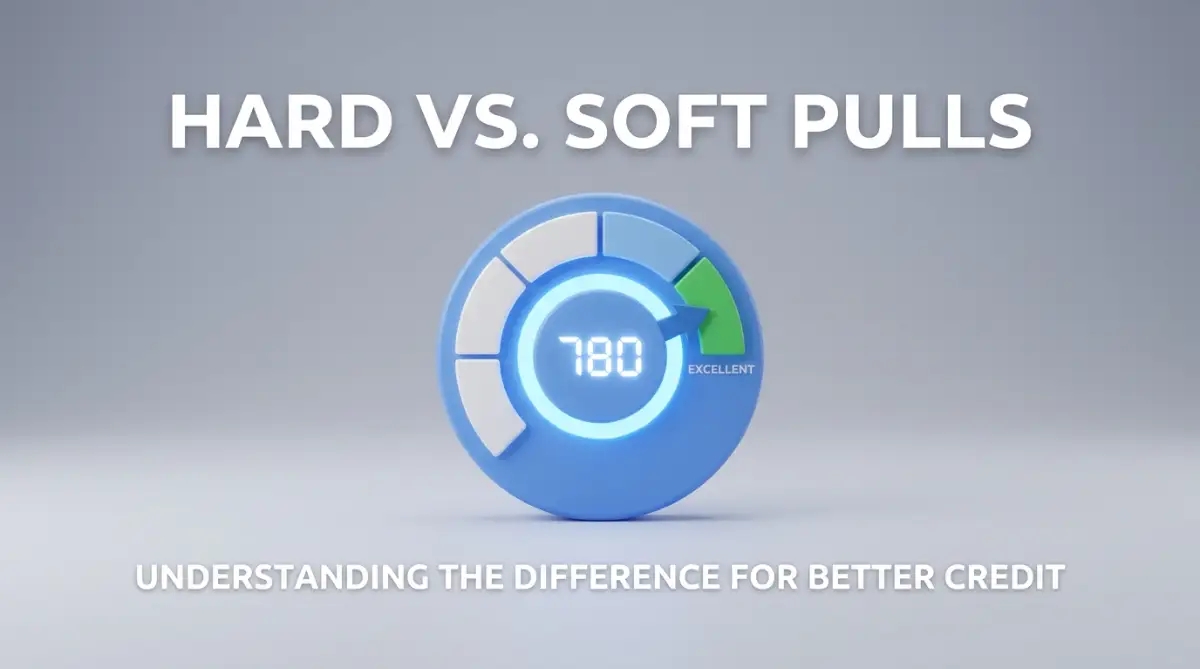
Many of us think that every single time we look up our credit, it hurts our score. This is a common myth that keeps people from being proactive about their financial health. The reality is that there are two very different types of inquiries: soft pulls and hard pulls. Understanding the difference is the first step toward reclaiming your credit reputation.
A soft inquiry happens when you check your own score or when a lender checks your credit for pre-approval. This does not affect your score at all, no matter how many times it happens. You can check your own score every single day if you really wanted to, and it would never drop by a single point. Keep this in mind when you are browsing platforms that offer "soft-pull pre-qualification."
A hard inquiry, on the other hand, is what you need to be careful about. This happens when you formally submit an application for credit, like a loan or a credit card. When a lender pulls your report to make a final decision, your score usually dips slightly. It isn't a disaster, but if you have a dozen of these in a short window, it starts to look like "credit-seeking" behavior. Lenders don't like to see that, as it looks like you are desperate for cash.
How to Shop for Loans Without Losing Points
The best way to protect your score is to concentrate your inquiries into a short time frame. Most scoring models are smart enough to recognize when you are rate shopping. If you apply for several auto loans or mortgage loans within a 14- to 45-day window, it is often counted as just one single inquiry. This is a huge benefit for anyone trying to find the best interest rate.
Do your research before you officially apply. Use comparison websites that clearly state they only use soft pulls to show you rates. Don't be tempted to hit the "apply now" button just to see what happens. Only move to the formal application phase when you have narrowed your list down to the lender you actually want to work with.
Pro Tip: I learned this the hard way after hitting 'apply' on four different sites in one day. My score dropped significantly, and it took months to bounce back. My realization was simple: I was treating loans like online shopping for clothes. From now on, I treat them like a surgical procedure—only applying when I am ready to commit and have done my homework.
The Power of Pre-Qualification
Always look for a pre-qualification option. This allows a lender to give you an estimate of what you might qualify for without the hard inquiry. It’s like getting a sneak peek at your options without showing the rest of the financial world that you are hunting for debt. Most reputable lenders today offer this as a standard feature.
Check the lender’s fine print to ensure it is a soft pull. If you don't see anything mentioned, reach out to their support team or check their FAQ page. Don't risk your score on a guess. Being bold enough to ask these questions saves you a lot of headache later on.
When You Need More Information
If you are still confused about how these inquiries look, consider watching this breakdown on how to manage your credit during the shopping phase. It gives a clear visual guide on what to watch out for.
Check out this video to understand the mechanics of credit inquiries and how to keep your score high:
After watching that, you will see that most of your anxiety likely stems from the unknown. Once you know exactly which buttons to press and which to avoid, you can breathe much easier. You don't need to be a financial genius to protect your credit; you just need to be a little bit more patient.
Setting Your Own Financial Strategy
Now that you know the rules, take a moment to look at your current financial goals. Are you planning a large purchase, or are you just testing the waters? If you have a major life event coming up, you should stop all applications at least three months prior. This ensures your score is at its best when it matters most.
Keep a physical or digital log of every place you visit. Note down if they use soft or hard inquiries. This simple organization keeps you from repeating mistakes and makes the entire process feel less like a guessing game. Control is the best remedy for the stress of managing your credit profile.
Remember, your credit score is a reflection of your habits, not a permanent label. If you do happen to trigger a hard inquiry, don't panic. It is a temporary dip, and it heals over time with consistent, good financial habits. Just keep moving forward, paying your bills on time, and staying organized with your research.
Building Lasting Financial Health
At the end of the day, your credit score is just one piece of the puzzle. It shouldn't dictate your entire life or stop you from exploring better financial opportunities. By following these steps, you are already miles ahead of the average person who clicks buttons without a plan. You are taking charge, and that is exactly where your power lies.
Stay consistent, be patient with your own progress, and keep learning about how the system works. The more you know, the less likely you are to be caught off guard. You are building a foundation that will serve you for years to come, and that is a goal worth protecting. Take it slow, stay focused, and you will see your hard work pay off in the form of a stable, healthy credit score.
Mastering Your Credit Future with Smart Moves
You have already taken the first step by understanding how inquiries work. Now, it is time to look at the advanced moves that keep your score healthy while you manage your financial life. One of the best ways to stay ahead is to set up automatic alerts with your banking provider. Most modern banks offer real-time notifications for every credit activity.
If you see a charge or an inquiry you do not recognize, you can act immediately. This proactive approach stops potential fraud in its tracks before it ever touches your credit score. Many people wait until their monthly statement arrives, but that is often too late to catch errors.
Another pro-level secret is to maintain a healthy credit utilization ratio throughout your loan research. Even if you are looking for a loan, keep your existing credit card balances as low as possible. When you understand the truth about interest rates, you realize that lower utilization makes you look much more reliable to lenders.
It is also worth noting that your credit mix matters. If you are shopping for a loan, ensure you are not applying for different types of credit at the same time. Jumping from a personal loan to a retail credit card application can confuse the scoring models. Stick to one goal at a time to keep your profile looking clean and stable.
For those who want to dig deeper into the official data on how credit scoring works, the Consumer Financial Protection Bureau provides an excellent resource on the technical side of these calculations. Using these reliable sources ensures you are getting your information from the right place, not just rumors.

Pitfalls That Keep Your Score Down
It is easy to get caught up in the excitement of a new purchase or the need for extra funds. Many people make the mistake of blindly applying to every lender that pops up in a search result. They think that if they get rejected, it doesn't matter, but every single one of those applications counts as a hard pull.
This leads to a cycle of "rejection-based damage," where your score drops precisely when you are struggling to find a lender. If you have already hit a rough patch, reading your loan contract carefully becomes even more important. Some predatory lenders might promise a quick check, but they bury hidden fees in the fine print that can mess with your long-term debt goals.
Another common trap is the "debt consolidation" myth. People often apply for multiple debt consolidation loans hoping for a quick fix. If you are considering debt consolidation, make sure you are not creating more credit inquiries than your score can handle. Doing this in a rush often backfires, leaving you with the same debt and a lower score to boot.
Common Questions About Managing Inquiries
Does checking my own credit report hurt my score?
Not at all. When you check your own credit score or report, it is considered a soft pull and has zero impact on your rating.
How many hard inquiries are too many?
There is no magic number, but having more than three or four hard inquiries within a few months can make you look risky to lenders. It is best to space out any necessary credit applications as much as possible.
Does a pre-approval guarantee I will get the loan?
No, a pre-approval is just an estimate based on a quick look at your info. The final decision happens when you submit a full application, which usually triggers a hard pull.
How long do hard inquiries stay on my report?
Hard inquiries typically stay on your credit report for about two years. However, their impact on your score usually fades significantly after just a few months.
What should I do if I see an inquiry I didn't authorize?
If you see an inquiry you didn't trigger, contact the lender immediately and report it to the credit bureaus. It could be a sign of identity theft, which you should address right away to clear your debt.
Your Path to a Stronger Financial Future
You are now armed with the knowledge to navigate the complex world of loan research without fear. By avoiding unnecessary applications and keeping a close watch on your reports, you are building a reputation that lenders will respect. Remember that small, consistent actions lead to big, lasting results.
Take a look at your loan payments and inflation to see how your budget holds up. Once you are ready, check what to do after loan approval to ensure your money is spent wisely. Always watch out for sneaky loan clauses that could hurt your wallet.
My journey to better credit wasn't perfect, but it taught me that knowledge is my best tool. I know that if you stay patient and make smart choices today, your financial future will be much brighter than you think. Start by checking your report today—you have everything you need to succeed.
Disclaimer: The content provided here is for informational purposes only and does not constitute professional financial or legal advice. Always consult with a qualified financial advisor regarding your specific financial situation before making any major borrowing decisions.