The Hidden Weight of Saying "Yes" to a Friend
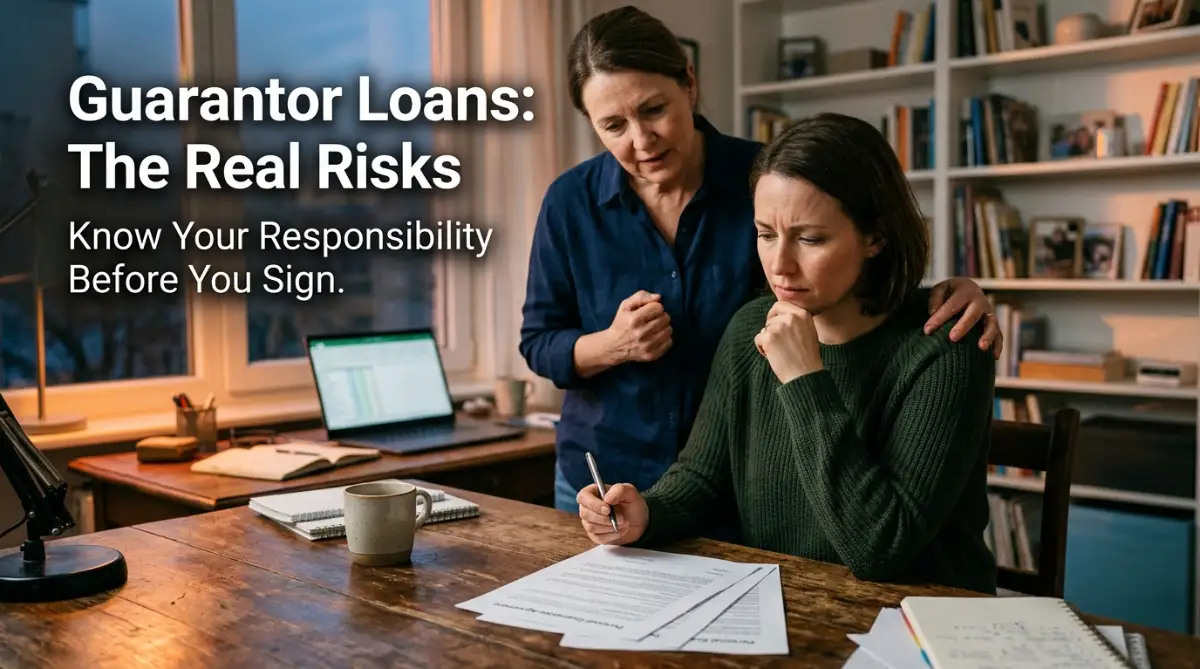
I still remember the day my close friend asked me for a small favor. He needed a loan, but his credit score was too low to get it alone. He asked me to be his guarantor, saying it was just a "formality." I wanted to be a good friend, so I signed the papers without thinking much. A few months later, my phone started ringing with calls from debt collectors because he stopped paying.
That moment changed my life and my bank account forever. I realized that my signature wasn't just a friendly gesture; it was a legal promise to pay every cent he owed. My credit score dropped, and my stress levels went through the roof. I don't want you to make the same mistake I did without knowing the full story.
Helping someone is a great thing, but you have to know what you are getting into first. Many people think they are just helping a friend get a car or a home. They don't see the heavy chains that come with that signature. It can affect your ability to get your own loans in the future.
The Constant Worry of Someone Else's Debt
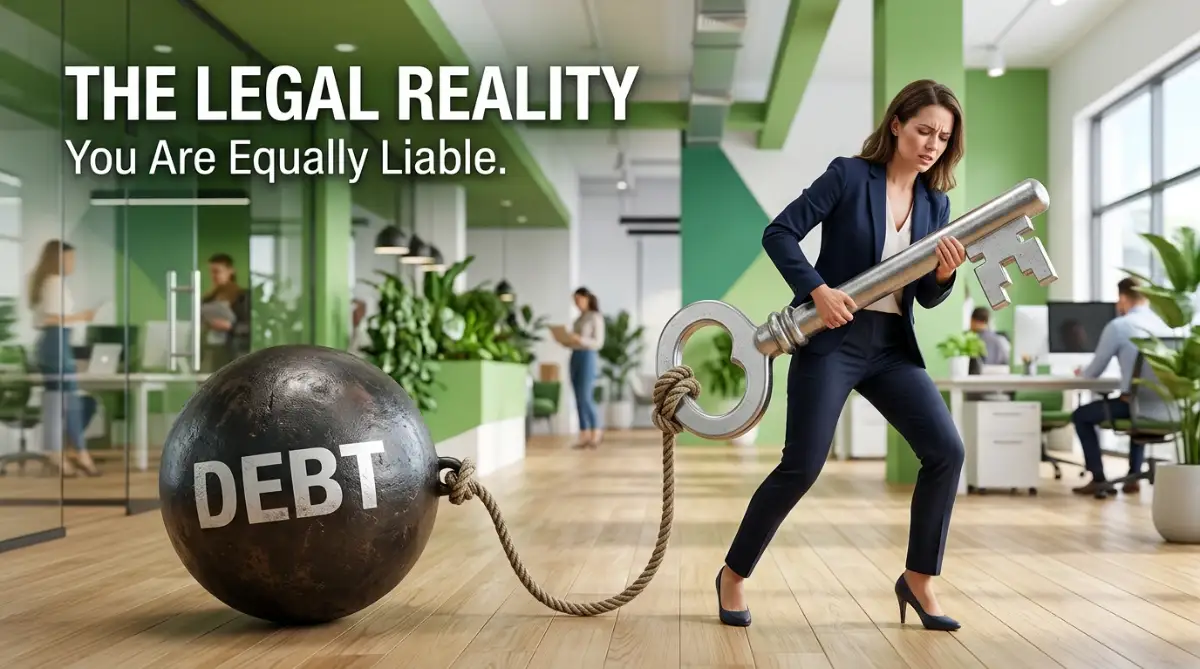
When you agree to be a guarantor, you are not just a backup. In the bank's eyes, you are just as responsible as the person taking the money. This means if they lose their job or decide not to pay, the bank comes after you. This realization often leads to sleepless nights and broken relationships.
I have seen families stop talking to each other because of a guarantor loan gone wrong. It is hard to look at a brother or a cousin the same way when their debt is draining your savings. The mental burden is often worse than the financial one. You find yourself checking your bank balance every hour, hoping no big payments were taken out.
The pressure is real because you can't control how the other person spends their money. You are essentially gambling on their financial discipline. If they fail, you are the one who pays the price, and that is a very scary place to be.
Why People Are Struggling With This Choice
Lately, more people are being asked to step in as guarantors because banks are getting stricter. This puts a lot of social pressure on honest people who just want to help their loved ones. You might feel guilty saying "no," but saying "yes" can lead to years of financial pain. It is a tough spot to be in, and the consequences are often hidden in the fine print.
Understanding Your Role as a Financial Safety Net
Before you pick up that pen, you need to understand exactly what a guarantor loan is. It is a type of loan where a second person promises to pay the debt if the borrower fails. You are acting as a safety net for the lender, not just for the borrower. The bank loves this because it lowers their risk, but it puts all the risk on your shoulders.
You are legally bound to cover the full amount, including any interest or late fees. This isn't a "maybe" situation; it is a solid legal contract. If the borrower misses a single payment, the lender has the right to ask you for that money immediately. You need to ask yourself if you have the extra cash sitting around to cover their mistakes.
The Real Impact on Your Credit History
One thing most people don't realize is how this shows up on your credit report. Even if the borrower pays on time, the loan might still appear on your record. This can make it harder for you to get a mortgage or a credit card for yourself. Lenders look at you and see that you are already on the hook for a large sum of money.
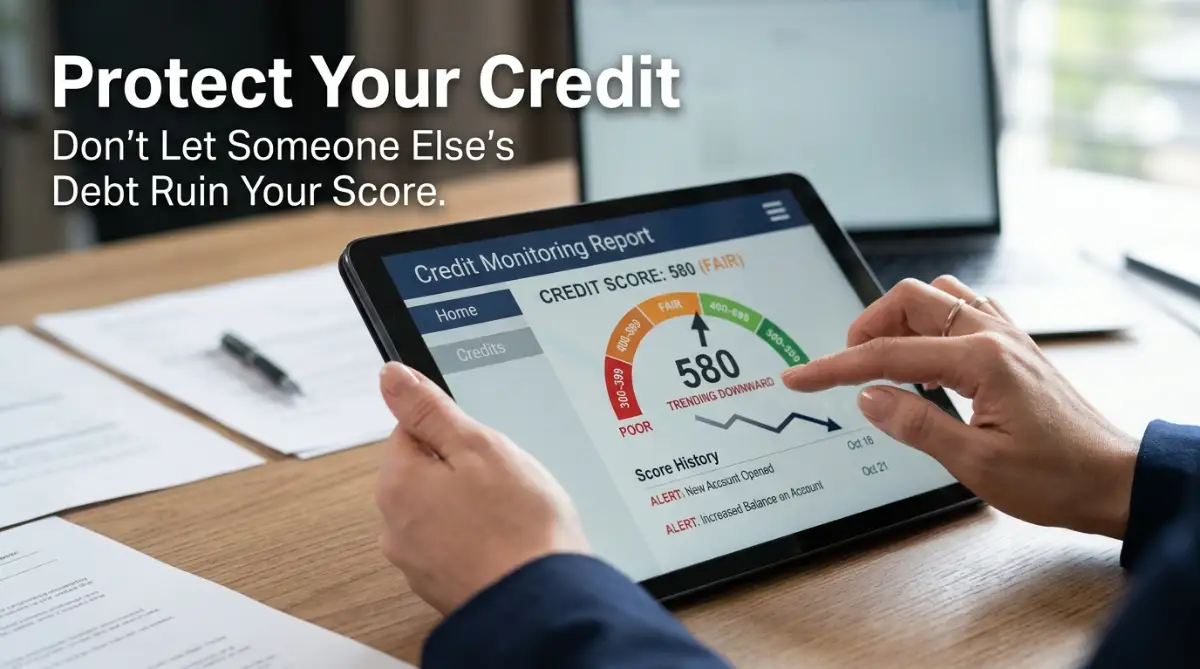
If the borrower defaults, your credit score will take a massive hit. This can take years to fix and can stop you from buying your own home or car. You are essentially linking your financial reputation to someone else's behavior. That is a very high price to pay for a "favor."
Pro Tip: I always tell people to ask the lender for a "limited guarantee." This means you only guarantee a part of the loan instead of the whole thing. It’s a small trick I learned the hard way, and it can save you thousands if things go wrong.
A Closer Look at the Legal Obligations
The law doesn't care if you are best friends with the borrower. The contract is between you and the lender. You should always read every single line of the agreement before you sign. Sometimes there are clauses that allow the bank to take money directly from your account without asking.
You should also check if the loan is "secured" against your own assets. If you sign a guarantor loan secured by your home, you could literally lose your house if the borrower defaults. This is a level of risk that most people are simply not prepared for. Never sign anything until you know exactly what is at stake.
How to Assess the Borrower's Reliability
Don't just trust their word; look at the facts. Ask to see their bank statements and their pay stubs. If they are uncomfortable showing you this, they shouldn't be asking you to be their guarantor. You need to know if they have a stable job and if they are good with money.
Think about their past behavior. Have they always paid you back when they borrowed small amounts? Do they have a history of jumping from job to job? If the bank thinks they are too risky to lend to, you should probably think the same thing. The bank has experts who analyze risk, and if they said "no" to the borrower, they did it for a reason.
Protecting Your Own Financial Future
You must put your own financial health first. Before saying yes, look at your own budget. Could you afford to pay the monthly installment of that loan right now? If the answer is no, then you cannot afford to be a guarantor. It is as simple as that. You should never put your own survival at risk to help someone else get a loan.
Make sure you have an emergency fund that is separate from any money you might need for this loan. You also need to have a plan for what happens if your relationship with the borrower turns sour. Will you still be willing to pay their debt if you are no longer friends? These are the hard questions you must answer honestly.
Watch this expert breakdown to see how these loans work in real life and how to protect your assets.
The Importance of Independent Legal Advice
Most banks will actually suggest or require that you get legal advice before signing. Do not ignore this. A lawyer can explain the "legalese" in simple terms and tell you exactly what you are signing away. It might cost a bit of money now, but it can save you a fortune later.
A lawyer can also help you set up a separate agreement with the borrower. This could include a plan for how they will pay you back if you end up having to cover the loan. While this won't stop the bank from coming after you, it gives you some legal ground to recover your money from the borrower later on.
Checking for Alternative Options
Sometimes there are better ways to help than being a guarantor. Could you lend them a smaller amount of cash from your savings instead? This way, you know exactly how much you are risking, and it won't affect your credit score. Or perhaps they can look for a "low credit" loan that doesn't require a guarantor, even if the interest is higher.
Encourage the borrower to talk to a debt counselor if they are struggling to get credit. There might be underlying issues with their finances that a loan won't fix. Sometimes the best way to help a friend is to help them manage their money better, rather than just giving them access to more debt.
The Emotional Cost of Debt
We often talk about money, but we forget about the feelings involved. Being a guarantor can lead to feelings of resentment and anger. Every time you see the borrower buying something new or going on vacation, you might feel frustrated. You will wonder why they can afford those things but can't pay off the loan you are backing.
This tension can destroy even the strongest bonds. If you value the relationship, you have to be very careful. Sometimes saying "no" is the best way to keep a friendship alive. A true friend will understand that you need to protect your own financial security.
Final Thoughts on the Initial Decision
Taking on a guarantor loan is a massive commitment that should never be rushed. Lenders often put pressure on you to sign quickly, but you must take your time. Sleep on it for a few nights. Talk to your partner or a financial advisor. If something feels wrong in your gut, it probably is.
Remember, once you sign, there is usually no way out until the loan is fully paid. You are tied to that debt for better or for worse. Make sure you are choosing "for better" by doing your homework and understanding every single
Smart Strategies to Shield Your Finances as a Guarantor
When you agree to help someone get a loan, you are doing a very kind thing. But kindness should not come at the cost of your own future. There are advanced ways to protect yourself that most banks will never tell you about. I learned these the hard way, and they can make a huge difference.
One of the best things you can do is ask for a "Guarantee Cap." This is a special agreement where you only promise to pay back a specific amount of the loan. For example, if the loan is for $20,000, you might only guarantee $5,000 of it. This limits your risk and keeps your bank account safer.
You should also insist on getting a "Notice of Default" agreement in writing. This means the bank must tell you the very first time the borrower misses a payment. Usually, banks wait until the problem is huge before they call the guarantor. If you know early, you can talk to your friend or relative before the debt spirals out of control.
The Power of an Exit Strategy
Most people think once they sign, they are stuck forever. This is not always true if you know what to ask for in the beginning. You can negotiate an "Early Release Clause" with the lender. This clause says that once the borrower pays off 50% of the loan, your name is removed.
This is a great goal for the borrower to work toward. It gives them a reason to be responsible and gives you a clear end date for your risk. I always suggest my readers check why you must read your loan contract to find these hidden opportunities. It can save you years of worry.
Another smart move is to ask the borrower to take out a "Life and Disability Insurance" policy. If they can’t work because of an accident, the insurance will pay the loan instead of you. This is a small monthly cost that provides a massive safety net for both of you.
Building Your Personal Debt Defense Fund
If you decide to go ahead, you need to be prepared for the worst-case scenario. I always tell my friends to set aside a small amount of money every month into a separate account. Think of this as your "Guarantor Insurance." If the borrower fails, you won't have to scramble for cash.
This fund gives you peace of mind and keeps your daily life running smoothly. Even if you only save a few dollars a week, it adds up. Having this backup means you won't have to take out your own high-interest loan to pay off someone else's debt. You can learn more about the truth about interest rates to see why avoiding extra interest is so important.
I also suggest checking the borrower’s progress every three months. Ask them for a quick screenshot of their loan balance. If they are your true friend, they won't mind showing you that they are being responsible. It keeps the relationship transparent and honest.
Dangerous Mistakes That Could Ruin Your Life
One of the biggest mistakes I see is people signing papers because they feel guilty. Family members can be very pushy when they need money. They might say things like, "Don't you trust me?" or "I would do it for you." Never let emotions drive your financial decisions.
Trusting someone's heart is not the same as trusting their bank account. Someone can be a great person but a terrible money manager. If you sign based on feelings alone, you are ignoring the cold, hard facts of the contract. This often leads to 5 sneaky loan clauses catching you off guard.
Another huge error is not checking how this loan affects your own borrowing power. When you apply for a mortgage later, the bank sees that guarantor loan as your debt. Even if the other person is paying it, your bank might say you can't afford a new house. You are essentially giving up your own dreams to support someone else's.
The Trap of "Joint and Several Liability"
This is a fancy term that basically means the bank can pick whoever they want to sue. If the borrower has no money but you have a house, the bank will come after you first. They don't have to try to get the money from the borrower if it’s easier to get it from you.
Many people think the bank will split the bill between the two of you. That is a myth. The bank wants their money the fastest way possible. If you have a steady job and the borrower doesn't, you are the primary target. Understanding this reality is a big part of the ultimate guide to clearing debt if you ever find yourself in trouble.
I have seen people lose their entire life savings because they didn't understand this one rule. They thought they were just a "backup." In reality, they were the "safety vault" for the bank. Always assume that you will be the one paying 100% of the money back.
Ignoring the Impact on Your Personal Relationships
Money has a strange way of changing people. When a friend owes you money, the friendship is no longer equal. You become their "boss" or their "creditor." This can make every dinner or hangout feel awkward and tense.
If they miss a payment and you have to pay, the anger can be permanent. I’ve seen brothers who haven't spoken in ten years because of a car loan. No amount of money is worth losing a family member over. If you value the person, sometimes the best answer is to say, "I love you too much to let money come between us."
Instead of signing, maybe you can help them in other ways. Help them create a budget or look for a better-paying job. This shows you care without putting your house on the line. Being a good friend doesn't mean being a financial martyr.
Forgetting to Update Your Legal Documents
Life changes fast. If you sign as a guarantor for a spouse and then you get a divorce, you are still the guarantor. The bank doesn't care that you are no longer married. You are still legally responsible for their debt until it is paid off.
I've talked to many people who were shocked to find out they were still paying for an ex-partner's debt years later. You must include these things in your legal agreements. Always talk to a lawyer if your life situation changes while the loan is active.
Also, think about what happens if you pass away. In many cases, your estate would still owe that money. This means your children might get less inheritance because of a loan you signed for a friend. It’s a heavy thought, but it’s the reality of how these contracts work.
Your Path to a Secure Financial Future
At the end of the day, your financial safety is your own responsibility. No one else will look out for your money as well as you do. Helping others is a beautiful thing, but it should never put you in a position where you can't pay your own bills.
Take a deep breath and look at the big picture. If you can afford the risk and you truly trust the person, then go ahead with caution. But if you feel any doubt, listen to that feeling. It is usually your brain trying to protect your future.
I want you to feel confident and strong in your choices. You have worked hard for your money, and you deserve to keep it safe. By following these tips and avoiding common traps, you can help people without losing your own peace of mind. I really hope you use this knowledge to make the best decision for your life today.
Common Questions About Guarantor Responsibilities
Can I stop being a guarantor before the loan is paid?
It is very difficult to walk away once you have signed. Most of the time, the bank will only let you out if the borrower finds a new guarantor to take your place. You can also be released if the borrower’s financial situation improves a lot and the bank feels safe. Always check with the lender to see their specific rules for ending the agreement.
Will being a guarantor stop me from getting my own mortgage?
Yes, it definitely can. Lenders will count the full monthly payment of the guarantor loan as one of your expenses. This reduces the amount of money they think you can afford to pay for your own house. If you are planning to buy a home soon, being a guarantor is a very risky move. You can read more about getting your loan approved to see how to manage your credit before a big purchase.
What happens if the borrower declares bankruptcy?
If the borrower goes bankrupt, the debt doesn't just disappear. The bank will simply turn to you and ask for the full amount. In many cases, the guarantor is the only one left to pay the bill. This is why you must be very sure about the person you are helping. Bankruptcy protects the borrower, but it often leaves the guarantor in a very bad spot.
Does a guarantor loan affect my credit score if they pay on time?
Usually, it won't hurt your score as long as every payment is made on time. However, it will still show up as a "contingent liability" on your report. This means other lenders can see that you are responsible for that debt. If the borrower misses even one payment, your score could drop quickly. It is a constant game of watching and waiting.
What should I do if the bank contacts me for payment?
Don't panic, but don't ignore them either. Contact the borrower immediately and find out what is going on. If they can't pay, you should talk to the bank and see if you can work out a payment plan. Ignoring the bank will only lead to legal action and more fees. It is always better to be proactive and face the problem head-on.
Disclaimer: This article is for informational purposes only and does not count as professional financial or legal advice. Every person’s situation is different, and loan laws can vary. Please talk to a qualified financial advisor or a lawyer before signing any legal contracts or loan agreements. We are not responsible for any financial losses or damages that may result from following the information provided here.
I have seen so many people regain control of their lives by making smart, informed choices. I know you can do the same if you stay patient and look at the facts. You have the power to protect your wallet while still being a kind and helpful person! Risk involved. Your future self will thank you for being cautious and smart today.