The Reality of a Stagnant Credit Score
I remember staring at my computer screen two years ago, feeling my heart sink. My credit score wasn't moving, and I was desperate to get it higher so I could qualify for better rates later. I kept thinking that if I just opened another card or took a small loan, it would force my score to jump up. I was wrong, and honestly, I was just making my financial life more complicated.
I felt like I was stuck in a maze where every turn led to another dead end. Every time I looked at my balance, I felt a wave of anxiety that made me want to shut my laptop and ignore it. My friends were talking about buying homes or getting better deals on insurance, and I felt left behind. It’s hard to sleep at night when you think your financial reputation is permanently glued to a low number.
You might be feeling this same weight on your shoulders today. It is more than just a number; it is about the freedom to make choices without someone saying "no" because of your history. It keeps you up at night, wondering if you will ever get that stability you crave. You deserve to know that you are not trapped, and you definitely don't need more debt to fix the hole you feel you are in.
Why Chasing New Credit Often Backfires
Many people think that getting more credit lines is the magic bullet. They believe that having more options will somehow make them look more "responsible" to banks. But the truth is, every time you apply for new credit, you trigger a hard inquiry. These inquiries can knock a few points off your score, putting you in a cycle of chasing numbers instead of building a foundation.
Think of it like a garden. If you keep planting new seeds in a patch of dirt that isn't ready, nothing will grow. You have to nurture the soil you already have before you expect a harvest. By trying to rush the process with new credit, you are essentially burying your history under a pile of new obligations.
It is time to change the approach. Instead of adding more to your plate, we are going to look at how to refine what is already there. You have the power to influence your score just by being smarter with the tools you currently own.
Master Your Credit Utilization Ratio
The single most effective way to see a jump in your score is by managing your credit utilization. This is just a fancy way of saying how much of your total limit you are currently using. If your total limit is $1,000 and you owe $900, your utilization is 90%. Banks see this as a warning sign, even if you pay on time every month.
Pro Tip: I realized early on that I was maxing out my card mid-month. I started making two payments per month instead of one—one before the statement closing date and one when the bill was actually due. It changed my credit score almost instantly because the bank reported a much lower balance to the bureaus.
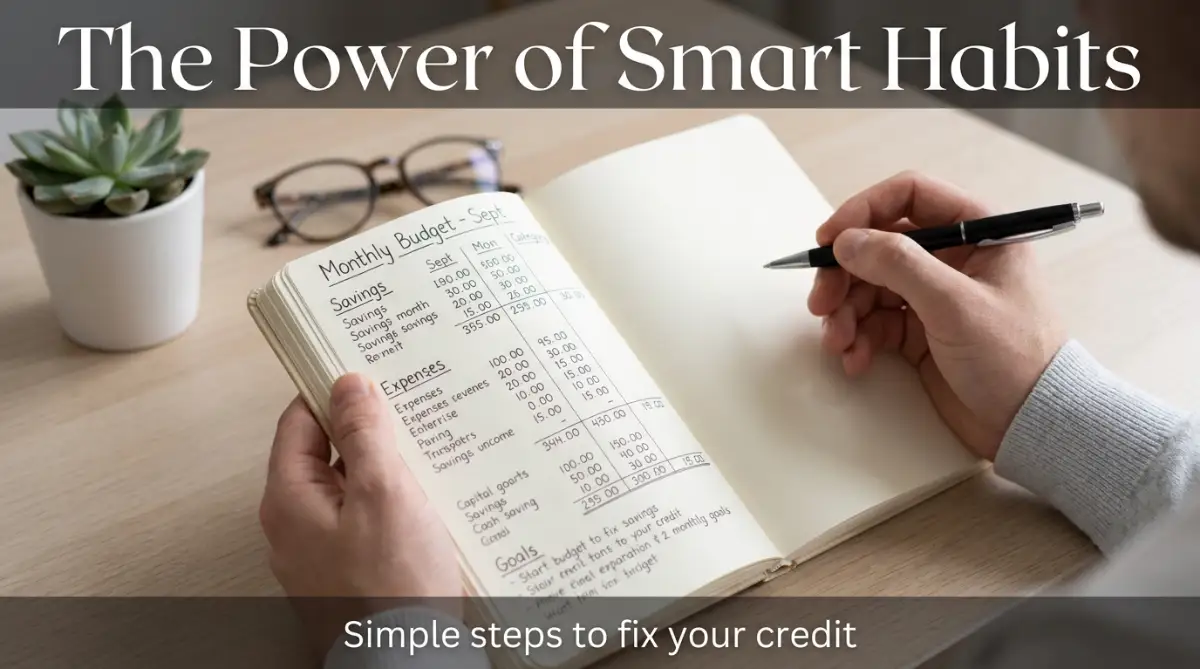
Why Lower Utilization Signals Stability
When you keep your utilization below 30%, you signal to lenders that you are not reliant on credit to survive. Aiming for 10% is even better. It shows that you have plenty of room, which makes you a lower risk. This simple shift does not require you to open a single new account.
How to Calculate Your Limits
Take a look at all your current credit cards and list their limits. Add them up to get your total credit capacity. Now, add up your current balances. Divide your total balances by your total limit. If that number is higher than 0.3, you have clear room for improvement.
The Secret of Timing Your Payments
Most people wait for the paper or digital statement to arrive before they pay their bills. However, your credit score is often calculated based on the balance on your statement date, not your payment due date. If you pay your balance down before the statement closes, the bank reports a lower balance to the credit bureaus.
Setting Up Payment Reminders
Missing a single payment is a disaster for your score. Set up autopay for the minimum amount on every single account you have, even if you plan to pay more later. This acts as a safety net. It ensures that you never hit that "late payment" mark, which is one of the most damaging things for your rating.
Why Consistency Wins Every Time
Credit bureaus love boring, predictable behavior. If they see you paying on time, month after month, your score will naturally drift upward. It is not about the "hack" or the "trick," but the steady hum of a person who honors their commitments.
Check out this quick guide to larn how your payment history directly impacts your score and how to optimize your calendar for the best results.
Dispute Errors That Are Holding You Back
Sometimes, the reason your score is low has nothing to do with you. Credit bureaus are not perfect. They often mix up files or keep old, paid-off debts on your report by mistake. You have the right to request a credit report from the major bureaus and look for anything that looks wrong.
How to Spot a Reporting Error
Go through your credit report line by line. Do you see a debt that you already paid off six months ago? Is there an address listed that you have never lived at? These are red flags. If you find something that isn't yours, you can submit a dispute online.
Why You Should Be Proactive
You are the primary guardian of your financial reputation. Do not wait for someone else to fix your profile. By identifying these errors and reporting them, you are cleaning your own record without ever spending a cent or taking on a new liability.
The Power of Patience and Cleanup
Building credit is like building muscle. You cannot go to the gym once and expect to be a bodybuilder. You have to show up every day, lift the weights, and eat right. In the credit world, "lifting weights" means paying down balances and "eating right" means keeping your accounts open and active.
Keep Old Accounts Open
Even if you don't use an old card, don't close it unless it has a high annual fee. The age of your credit history is a major factor in how your score is calculated. By keeping that account open, you are telling the bureaus that you have a long, established history of managing money.
Focus on Debt Categories
If you have multiple types of credit, it helps your score. But you don't need a new loan to create this mix. Just managing your credit card responsibly is enough to start. Over time, you can look into other ways to diversify, but for now, focus on being a star at the credit you already hold.
Small Habits Lead to Big Changes
Every dollar you pay off is a step forward. You don't need a complex strategy or a financial advisor to see results. Just take it one bill at a time. If you can make these small changes today, you will see a different, healthier score in the coming months.
Remember, your financial journey is entirely in your hands. You don't need more debt to be seen as a responsible person. You just need to be smarter with the tools you already have in your pocket. Stay the course, keep your payments on time, and watch how your score transforms.
Advanced Strategies to Maintain Your Financial Standing
Once you have mastered your utilization ratio, the real work begins. Sustaining a high credit score is not a one-time event; it is a lifestyle of financial discipline. You should begin by monitoring your credit health through official resources like the AnnualCreditReport.com portal. This ensures you see exactly what lenders see without any surprises.
Managing your finances requires a shift in how you view your monthly cash flow. I found that creating a simple "zero-based" budget helped me allocate every dollar before the month began. When you know where your money is going, you stop relying on credit cards to bridge the gap between paychecks. This habit is the single most effective way to keep your balances low naturally.
You might want to look into debt management strategies to see how small, consistent payments snowball into massive progress. If you ever feel like your expenses are creeping up, go back to your budget and trim the fat. Being mindful of your spending habits prevents you from ever needing to open a new line of credit in the first place.
Building a long-term strategy also means keeping your oldest accounts active. If you have an account you rarely use, set up a tiny, automated subscription service like a streaming app to charge that card. Then, set up an automatic payment to pay it off in full every single month. This keeps the account "active" and helps build the length of your credit history without effort.
Lastly, stay informed about changes in financial regulations by checking updates from the Federal Reserve Education site. Understanding the rules of the game makes you a much smarter player. When you know how scoring models react to different behaviors, you stop guessing and start executing with confidence.
Traps That Can Sabotage Your Score
Many people walk into a trap thinking they are being clever when they are actually hurting their own future. A common mistake is closing old accounts because you think it looks "cleaner" on your report. Unfortunately, this actually shortens the age of your credit history and shrinks your total credit limit. This spike in utilization often causes a sudden, painful drop in your score.
Another pitfall is the habit of "credit churning" or opening new accounts just to get rewards or signup bonuses. Every time you do this, you collect hard inquiries like souvenirs, which scream "risky" to automated banking systems. I’ve seen so many people lose 20 or 30 points simply because they wanted a small gift card or a temporary discount.
You should also avoid the "minimum payment" trap at all costs. While paying the minimum keeps you in good standing, it leaves a huge balance sitting on your account, which inflates your utilization ratio. If you can pay more, always do so. It saves you interest costs and keeps your score looking sharp and healthy.
The Path to Long-Term Financial Confidence
You have learned that your credit score is simply a reflection of your habits. By choosing to manage what you have instead of seeking new debt, you are building a bedrock of trust with lenders. This journey is not about perfection, but about showing up for yourself every single day.
I know how stressful it feels to watch that number fluctuate, but I promise that with steady action, the trend will turn in your favor. I remember the relief I felt when I finally stopped applying for new cards and focused on my own plan. You are fully capable of reaching your goals by simply being consistent and patient.
Questions About Your Credit Journey
Is it bad to check my own credit score?
No, checking your own score is considered a "soft inquiry" and does not affect your rating at all. It is a healthy habit that keeps you aware of your financial standing.
Does paying off a debt immediately remove it from my report?
It updates the balance to zero, but the history of the account will remain on your report for several years. This is a good thing, as it shows you successfully managed and closed an obligation.
Can I improve my score without any credit cards?
While it is much harder, it is possible by ensuring other types of loans like student loans or personal loans are paid on time. However, using a secured credit card responsibly is often the fastest route if you have no credit history at all.
How often should I check for errors?
I suggest checking your reports once every few months to ensure all information is accurate. If you find a mistake, don't panic; just file a dispute with the reporting bureau.
Will my score drop if I pay off a large loan?
Sometimes your score might dip slightly because of the change in your "credit mix," but this is usually temporary. The long-term benefit of being debt-free far outweighs this minor, short-term adjustment.
Disclaimer: This content is for educational purposes only and does not constitute professional financial advice. Please consult with a certified financial planner or credit counselor for personalized guidance regarding your specific financial situation.