“How to Improve Your Credit Score Without Taking New Debt: A Proven Guide.”
I still remember the night I sat at my kitchen table, staring at my laptop screen in absolute frustration. My credit score was sitting right there, frozen at a number that felt like a glass ceiling blocking my future. Every time I thought about applying for a better apartment or even checking my interest rates, that number haunted me. It felt like I was stuck in a loop, and no matter how hard I worked, I couldn't seem to break free.
I kept thinking that the only way to climb out of this hole was to take out some fancy new loan or get a high-interest card just to "show" the banks I was responsible. I was wrong. I was terrified that a single wrong move would tank my rating even further. "Improve credit score." The anxiety of seeing that number stay red or orange was overwhelming. It wasn't just a number; it was a constant reminder of my perceived lack of progress.
Have you ever felt like you are doing everything right, but the system just doesn't see it? That feeling of being invisible to lenders despite paying your bills on time is incredibly draining. It creates a weight on your chest every month when the statement arrives. You start to doubt your own financial decisions, and the stress bleeds into your personal life, making you hesitant to plan for your future.
It creates a cycle where you feel forced to take on debt you don't need just because someone told you it’s the "only way." But that is a trap, and frankly, it’s a dangerous one to fall into. You don't need more debt to fix your credit. You need a shift in how you view the tools you already have. Let’s stop the cycle of stress right here. Credit utilization ratio
Analyzing Your Current Credit Habits
Many people assume that to get a better score, they must constantly add new accounts to their history. "Improve credit score", This is a common myth that keeps many stuck in a cycle of debt. credit utilization ratio: Your credit report is actually a map of how you manage what you already possess. If you want to see that number climb, you need to stop focusing on "new" and start focusing on "management."
The Power of Utilization Control
The most effective way to see a jump in your score is by mastering your credit utilization ratio. This is simply the amount of credit you are using compared to your total limit. If your limit is one thousand dollars and you have a balance of nine hundred, you look like a high-risk borrower. Even if you pay it off every month, that high balance reported to the agencies hurts you.
Try keeping your balance below thirty percent of your total limit at all times."Improve credit score." If you have a credit card, don't wait for the bill to arrive to pay it off. Log in and make payments mid-cycle to keep your reported balance low. This one small habit sends a clear signal to lenders that you are not desperate for credit.
The Realization I Had
I personally used to wait until the due date to pay off my balances, thinking that was sufficient. I realized my mistake when I saw my score drop simply because the statement closed while I was using eighty percent of my limit. It wasn't that I couldn't pay it; it was just bad timing. "Improve credit score",Once I started paying off my balance before the statement closing date, my score moved significantly within a few months. Credit utilization ratio
Professional Strategies for Better Credit
Building a better score is about discipline, not about getting more loans or opening new cards you don't need. Let’s look at how you can optimize your current standing with precision. Improve credit score
Checking for Accuracy
Mistakes on your credit report are more common than you think. You have the right to look at your report from all major agencies without it affecting your score. "Improve credit score", Look for accounts that aren't yours or payments that were marked late even though you paid on time. If you find an error, challenge it immediately through their online portal.
Consistency is Your Best Friend
Lenders love consistency. They want to see a long, unbroken string of on-time payments. Even if you are dealing with past issues, focus on making every single payment on time moving forward. Credit utilization ratio: Automate your payments if you have to, so you never miss a deadline. This is the bedrock of a healthy credit profile."Improve credit score.
Watch this video to understand the simple steps to better credit health:
This short guide breaks down the core concepts we discussed and shows you exactly how to navigate the system without needing any new financial products. Watching this will give you the clarity you need to handle your accounts like a pro.
"Watch the Video Guide Here"
The Myth of Closing Old Accounts
Many people believe that closing an old, unused credit account will help their score. Actually, it can do the opposite. Your account history length is a key factor in your score calculation. By keeping an old account open—even if you rarely use it—you are maintaining a longer credit history. Just be sure to use it for a tiny purchase once in a while to keep the account active. Credit utilization ratio
Strategic Payment Scheduling
If you have multiple debts, focus on the one with the highest interest or the smallest balance first. You can use the "Snowball Method" to pay off smaller debts to build momentum. However, do not close the account once it is paid off. Keep it open as a paid-in-full account to show a perfect track record.
Why You Should Avoid New Inquiries
Every time you apply for new credit, a "hard inquiry" hits your report. These inquiries stay on your record for a while and can shave points off your score. Since our goal is to improve your standing without new credit, avoid applying for store cards, personal loans, or new lines of credit unless it is necessary. Keep your record clean of these tiny dings. Fix a stagnant credit score.
Maintaining Long-Term Financial Health
Improving your credit is a marathon, not a sprint. Once you start seeing those points tick upward, it is easy to get complacent. Do not stop your positive habits just because you see a small win. The goal is to build a foundation that supports your financial life for years to come. Improve credit score
Simple Habits for Daily Success
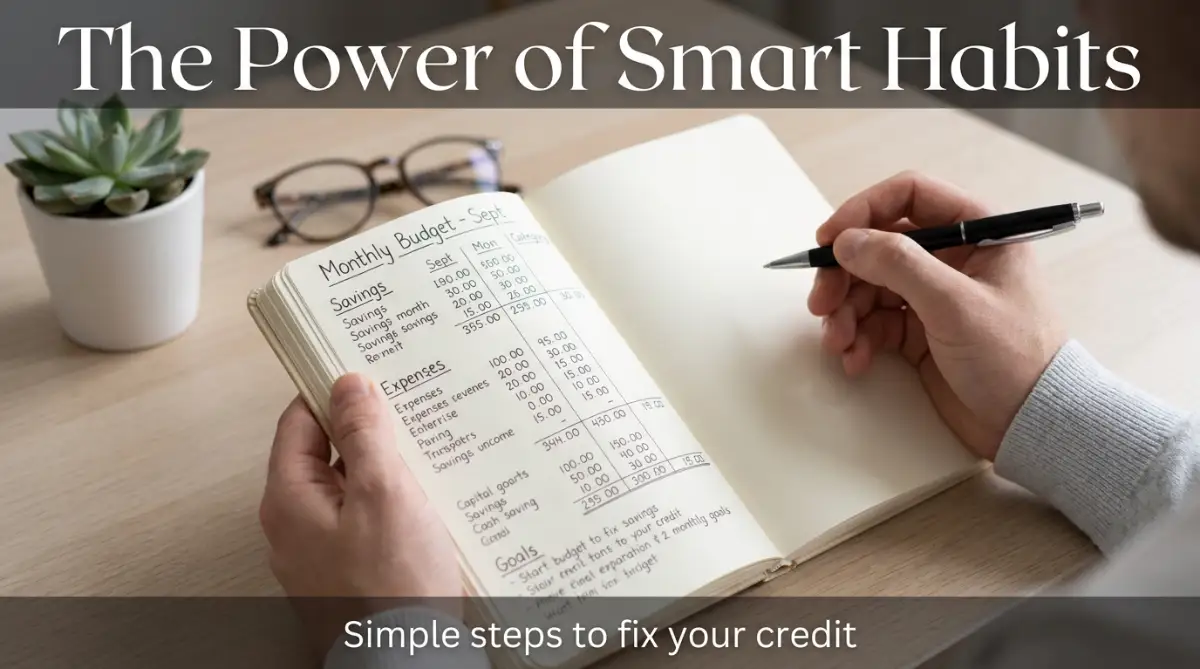
Keep a simple tracker for your bill due dates. It can be a digital calendar or a paper notebook. Whatever works for you, make sure you check it weekly. Being proactive about your bills prevents accidental late fees and keeps your report clean.
Why Empathy Matters in Finance
I want you to be kind to yourself during this process. Improving your credit score doesn't happen overnight, and there might be months where the number doesn't move as much as you'd like. "Improve credit score." That is okay. You are building a skill that will serve you for the rest of your life.
Understanding the Credit Scoring Model
Remember that no one knows the exact algorithm of the scoring companies, but we know the principles they value. Payment history, debt usage, and account age are the big three. By focusing on these, you are doing everything within your power to succeed. You are moving from a place of uncertainty to a place of control.
Final Thoughts on Your Journey
You don't need to be a finance expert to improve your standing. You just need to be consistent. By ignoring the noise of "easy fixes" and sticking to these fundamental steps, you are protecting your future self. Take pride in the fact that you are taking ownership of your financial narrative today.
This process is yours to control. Every time you log in to pay a bill early or check your report for errors, you are winning. Keep moving forward, stay patient, and trust the process of building your score the right way. Your financial freedom is worth the effort, and you are more than capable of reaching your goals."fix stagnant credit score",
Taking Your Credit Health to the Next Level
Once you have mastered the basics of payment history and utilization, you are already ahead of the pack. "Improve credit score", Now, let’s look at the sophisticated strategies that separate casual bill payers from those who truly command their financial profile. It is not about magic tricks; it is about working with the complex scoring models that govern your financial reputation."fix stagnant credit score",
Strategic Account Aging and Stability
Think of your credit profile like a mature garden. You cannot rush the growth of a tree, but you can certainly nurture it. Keeping your oldest accounts open is one of the smartest moves you can make, even if you never use the card. It proves that you have the capacity to maintain long-term relationships with lenders."fix stagnant credit score",
If you have a card that has been open for years, treat it like a prize. Use it once every few months for a small purchase—like a cup of coffee or a subscription fee—and pay it off immediately. This simple act keeps the account "active" in the eyes of the bank. It prevents the issuer from closing it due to inactivity, which would otherwise shorten your average account age and hurt your score."fix stagnant credit score",
The Art of "Credit Mix" Awareness
You might have heard that having different types of credit helps your score. This is true, but it is not a reason to go out and get a new loan. Instead, view your existing credit as a collection. If you only have credit cards, the system sees a specific type of risk. If you have a mix of revolving credit and installment loans—like a personal budget plan—it shows that you can handle different financial structures."fix stagnant credit score",
If you have an old installment loan that you have almost finished paying off, do not worry about the "variety" aspect. The most important thing is that the account is paid on time. Focus on the financial habits that build trust rather than trying to balance your account types artificially. Trustworthiness is always more valuable than the structure of your debt."Fix stagnant credit score
Monitoring Without Obsessing
Many people check their credit score every single day, hoping to see a change. This can actually lead to unnecessary stress. Instead, set a schedule to check your full report once every few months."Fix stagnant credit score.", Use official sources like AnnualCreditReport.com to ensure you are seeing the real data. If you notice a sudden dip, investigate it calmly. Look for inaccuracies or identity theft issues rather than panicking about a natural fluctuation.
 Want to improve your credit score without taking on new debt? Discover actionable, simple strategies that help you build a stronger financial profile today
The Pitfalls That Often Derail Progress
I have seen many well-meaning people inadvertently damage their credit while trying to "fix" it. The most common trap is the "Quick Fix" myth. Many services promise to boost your score in days for a fee. Please stay away from these. There is no legitimate shortcut that bypasses the time-tested rule of consistent payment.
Avoiding the Balance Transfer Trap
When you are struggling with high interest, it is tempting to move debt around from one card to another. While this can save you money on interest, it often involves opening a new account. This triggers a "hard inquiry" on your report. If you do this too often, it signals to banks that you are struggling to manage your cash flow. It creates temporary relief but a long-term mark on your record.
The Danger of Co-signing
Helping a friend or family member by co-signing for a loan feels like a noble act. However, if they miss a payment, it is your credit score that takes the hit. You are legally responsible for that debt. I urge you to think very carefully before taking on this kind of liability. It is a massive risk that can undo years of your own hard work.
The Trap of Ignoring Small Balances
Sometimes, we forget about a tiny balance on an old card. Even a balance of five dollars that stays unpaid for months can be reported as late. This tiny error can cause your score to drop by dozens of points. Stay organized by setting up automatic minimum payments on every single account you hold, even if you do not use them.
Your Path to Financial Peace
Improving your credit is a journey of self-discipline. It requires you to look at your money with honesty and make choices that benefit your future self. By avoiding the noise and sticking to the fundamentals, you are building something that lasts. You are not just fixing a number; you are reclaiming your financial power.
I know what it feels like to check your credit and see a number that feels disappointing. But I also know the relief that comes when you see that number finally move in the right direction. Just take one step today, no matter how small. My experience shows that consistency always wins over intensity. You have the power to change your story starting right now.
Common Questions About Your Credit Journey
Can I increase my credit score without any credit cards?
Yes, you can. While it is easier with cards, you can build a history through other types of loans or by ensuring your rent and utility payments are reported to the agencies if your landlord or service provider offers that service.
How long does it take to see an improvement?
Every person’s situation is different. Some might see changes within a month or two, while others may need half a year to see a significant difference. Patience is your greatest asset here.
Does checking my own credit report lower my score?
No, checking your own report is a "soft inquiry" and does not impact your credit score at all. You should check your report regularly to ensure everything is accurate and fair.
What if I have a low score because of a past bankruptcy?
You can still rebuild. It takes time, but by establishing a new record of on-time payments, you will see your score begin to recover. Focus entirely on the present and future payments.Credit utilization ratio
Is a high credit score really worth the effort?
A high score makes life cheaper and easier. It helps you get better interest rates on loans, lowers your insurance premiums, and can even help you land a better job. It is an investment in your own freedom. credit utilization ratio
Disclaimer: I am sharing my personal insights and general financial information for educational purposes only. I am not a financial advisor. Please consult with a certified financial professional or check your local regulations before making major financial decisions that affect your legal or credit status.