When The Weight of Debt Feels Heavier Than The Money in Hand
I remember sitting in my small kitchen three years ago, staring at a stack of credit card statements. My hands were shaking, not because I was cold, but because I realized I had borrowed money for things I didn't even remember buying. I felt like I was running on a treadmill that kept getting faster. Every paycheck seemed to disappear before it even landed in my account. I was borrowing to pay off other debts, thinking I was "managing," but I was actually digging a deeper hole every single day.
Living like this takes a toll that most people don't talk about. It isn't just about the numbers on a spreadsheet; it’s the constant, low-level hum of anxiety in the back of your mind. You start avoiding calls from unknown numbers because you fear it might be a bank. You stop saying "yes" to dinner with friends because your budget is already stretched to its limit. Your nights are filled with restless thoughts about interest rates and due dates.
This cycle steals your peace. It makes you feel like you aren't the one in control of your own life anymore. I realized that my desire for instant gratification had become a prison. If you are reading this, you might be standing exactly where I was. You don't have to keep choosing the path of least resistance. Let’s look at how you can stop the cycle before it consumes your future.
Are You Borrowing for the Right Reasons?
The first thing you need to evaluate is the intent behind your need for cash. Not all loans are created equal, but many are avoidable. You must be brutally honest with yourself about why you want to take on this liability. Are you borrowing to invest in something that will grow your income? Or are you borrowing to patch a hole in your spending habits?
The "Emergency" Illusion
Many people justify a loan by calling it an emergency. If your car breaks down and you need it for work, that’s a real emergency. However, if your "emergency" is a new phone because your old one is "slow," that is not a necessity. Before you apply, ask yourself if you can wait three months and save the money instead. If the answer is yes, then you don't need a loan. You just need patience.
The Lifestyle Creep Trap
Lifestyle creep is the silent killer of wealth. We often take loans to maintain a standard of living that we haven't actually earned yet. If you are taking a loan to afford a vacation, a designer bag, or a party, stop immediately. These are depreciating assets that offer no long-term value. Taking on high-interest debt for temporary happiness is a recipe for long-term stress.
Warning Signs That Your Financial Health is at Risk
If you find yourself nodding at these points, it’s time to step back. You are in a danger zone where debt will likely become a trap rather than a tool.
- Borrowing to Pay Off Other Debt: This is the biggest red flag. If you are taking a new loan to cover an existing payment, you are just moving your debt around. You aren't solving the problem; you’re just extending the misery.
- No Clear Repayment Plan: If you don't know exactly where the money to pay back the loan is coming from, don't take it. Hope and a prayer are not a financial strategy. You need a written plan that accounts for your monthly income and expenses.
- Your Debt-to-Income Ratio is Already High: If more than 30% of your income is already going toward debt payments, adding more is a mistake. Your financial flexibility will vanish entirely.
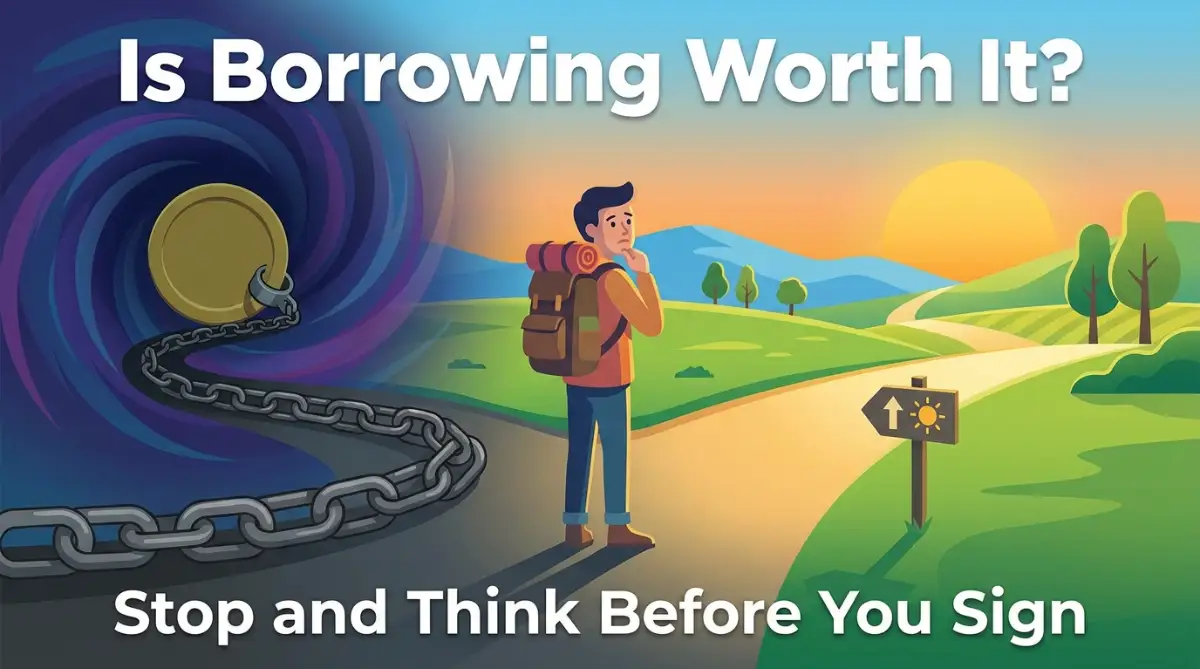
Pro Tip: My "Wait-Thirty" Strategy
I developed a simple rule that changed everything for me. Whenever I feel the urge to borrow, I force myself to wait exactly thirty days. Most of the time, that impulsive urge to spend vanishes by the second week. It gives my brain time to cool off and see the purchase for what it really is. Try this simple trick, and you will be amazed at how many loans you decide you don't actually need.
Are you ready to commit to a loan agreement? Before you sign any documents, watch this video to understand the 5 most important questions you must ask your lender to protect your financial future.
How to Build a Safety Net Instead of a Debt Pile
You don't need a bank’s permission to have a secure life. You need a better system. Start by creating a small, reachable savings goal. Even if it’s just a tiny amount, having a buffer means you don't have to reach for a loan the moment something goes wrong.
The Power of the Small Win
Start by cutting one unnecessary subscription or expense today. It might feel small, but it builds the muscle of discipline. When you stop relying on loans, you start relying on your own resourcefulness. This shift in mindset is the most valuable asset you will ever own.
The Math of Compounding Interest
Remember that every loan you take comes with interest. That means you are essentially paying for the "privilege" of buying things today. Over time, that interest adds up to thousands of dollars. Imagine if you invested that same money instead. You wouldn't just save the interest; you would be earning it.
Final Thoughts on Your Financial Future
The decision to avoid a loan is often the most empowering choice you can make. It forces you to live within your means and find creative ways to handle challenges. You are capable of managing your finances without the help of lenders. Take a deep breath, look at your budget, and choose the path that keeps your future bright and debt-free. Your peace of mind is worth far more than any item you can buy with borrowed money.
Mastering Your Money: Advanced Habits for Long-Term Freedom
Building a life without relying on high-interest loans isn't just about saying "no" to a bank. It is about building a system where your money works for you instead of you working for interest payments. If you want to keep your financial health in check, you need to move beyond simple budgeting and start thinking like a long-term strategist.
The Power of the "Wait-and-Earn" Method
One of the most effective ways to avoid debt is to shift from "buy now, pay later" to "save now, buy later." Instead of taking a loan for a large purchase, create a dedicated savings account. If you put that same monthly payment you would have paid to a lender into your own account, you keep the interest for yourself. You can read more about how to manage your personal budget effectively to make this transition easier.
Mastering Your Cash Flow
You should track your spending for at least three months without making any changes to your habits. This gives you a clear picture of where your money actually goes. When you see your own data, you will often find small, hidden leaks in your budget that add up to a significant amount. Check out this guide on fixing your credit without new loans to learn how to optimize your cash flow without external help.
The Role of an Emergency Buffer
An emergency fund is your best insurance policy against taking a bad loan. Aim to keep three to six months of basic living expenses in a separate account. If an unexpected car repair or medical bill hits, you can handle it with cash. This simple safety net prevents you from falling into the secret financial toll that comes with high-interest debt cycles. According to studies from the Consumer Financial Protection Bureau, having liquid savings is the strongest indicator of long-term financial stability.
Traps That Lead to Financial Stress
We often fall into debt because we underestimate the long-term impact of small, impulsive decisions. If you aren't careful, you might repeat the same mistakes that thousands of others make every year.
- Ignoring the Total Cost of Debt: We often look at the monthly payment instead of the total price. When you add up the interest, you might realize you are paying double or triple the original price of the item. This is why managing personal debt requires looking at the big picture, not just the small monthly fee.
- Borrowing to Keep Up With Peers: It is easy to feel pressure to match the lifestyle of friends or social media influencers. Remember that what you see online is often a curated snapshot, not the reality of their bank account. Choosing to live below your means is a brave and smart decision.
- Falling for "0% Interest" Offers: These offers often hide high fees or jump to massive interest rates if you miss a single payment. Always read the fine print from sources like the Federal Reserve Education to ensure you aren't walking into a hidden trap.
Your Path to a Secure Future
You have the power to change your financial story starting today. It isn't about being perfect; it’s about making slightly better choices every single day. When you decide to stop leaning on loans, you open up the path to true independence.
I know how hard it can be to break these patterns, as I once struggled with the same choices you face today. Trust the process, keep your focus on your long-term goals, and you will eventually find the freedom you deserve.
Common Questions About Debt-Free Living
How do I know if a loan is truly necessary?
If the loan is for an investment that will clearly increase your income or if it is for a genuine life-saving emergency, it might be worth considering. If it is for anything else, it is likely an expense you should save for instead.
What should I do if I already have debt?
Start by listing all your debts and interest rates. Focus on paying off the one with the highest interest rate first while making minimum payments on others.
Can I build credit without taking a loan?
Yes, you can build credit by using a credit card responsibly and paying the full balance every single month. You do not need to carry a balance or pay interest to show that you are a reliable borrower.
Is it okay to borrow for a home?
A mortgage is often considered a different type of debt because it is tied to an asset that usually grows in value. However, ensure the payment fits comfortably in your budget so you aren't house-poor.
Disclaimer: This content is for informational purposes only and does not constitute financial, legal, or professional advice. Always speak with a qualified financial advisor before making major decisions regarding your personal finances or debt.