The Reality Behind Your Credit Score Frustration
I remember sitting at my kitchen table, staring at a rejection letter from my bank. My hands were shaking, and my heart felt heavy. I had worked so hard to save for a down payment, but my dream of owning a home was slipping away because of a three-digit number. I felt like I was being punished for mistakes I made years ago. It felt like I was stuck in a loop, unable to prove that I was actually responsible now.
That frustration isn't just about a number. It is about the feeling of being judged by a machine that doesn't know your story. I spent weeks feeling anxious every time I checked my bank balance. I was terrified of opening mail from creditors, expecting more bad news. My mental peace was completely gone. I couldn't focus at work because I was constantly calculating what I could cut from my budget.
Many people go through this same cycle every single day. You try to pay your bills, but the stress of a low score makes you feel like you are running on a treadmill that only moves backward. It keeps you from getting better interest rates. It prevents you from getting the car you need for work. It makes you feel small and powerless. You are not alone in this struggle, and the good news is that this situation is not permanent.
Why Your Credit Score Feels Like a Mystery
Most of us never learned how credit actually works in school. We were just given cards and told to pay them back. When that goes wrong, the system feels like a maze designed to keep you trapped. You aren't bad at managing money; you just weren't given the right map.
Understanding how to navigate this system is the first step toward getting your life back. When you start making small, intentional changes, the panic starts to fade. You stop being a victim of the system and start becoming the driver of your financial future. It is not about magic tricks; it is about consistent, smart moves.
Step 1: Audit Your Credit Report for Errors
The very first thing you need to do is look at your actual credit report. Many people are shocked to find that their score is low simply because of a mistake. Maybe an old account that you paid off is still showing as "outstanding." Perhaps there is a wrong address or even a name mix-up.
Go to the official government-authorized credit reporting sites. Download your reports from all three major bureaus. Look at every single line item. If you see something that does not belong to you, dispute it immediately. Clearing up these errors is the fastest way to see a jump in your points.
Step 2: The Art of Strategic Debt Reduction
You don't need to pay off every cent of your debt overnight to see a boost. Instead, look at your "credit utilization ratio." This is just a fancy term for how much of your available credit you are using. If your limit is $1,000 and you owe $900, your score will suffer.
Aim to keep your balance below 30% of your limit at all times. If you have the money, pay down your highest utilization cards first. Even paying off $100 can make a difference. This shows lenders that you are not desperate for credit.
Step 3: Stop Closing Your Old Accounts
A common mistake I made was closing my oldest credit card once I paid it off. I thought it was a "clean slate" move. In reality, it hurt my score. The length of your credit history is a major factor in how you are graded.
Keep your oldest accounts open, even if you don't use them every month. Just use them for a small, recurring purchase like a streaming subscription. Pay it off in full right away. This keeps the account "active" and adds "age" to your credit profile.
Pro Tip: I once closed three cards in one month thinking I was simplifying my life. My score dropped by 40 points almost instantly because my "average account age" plummeted. I learned the hard way that keeping your history alive is much better than starting fresh.
Step 4: Become an Authorized User
This is a hidden secret that not many people use. If you have a family member with a perfect credit history, ask them to add you as an "authorized user" on one of their cards. You don't even need to use the card.
Their positive payment history gets mirrored onto your report. This acts as a massive boost to your credit age and payment history. Just make sure the person you choose is very responsible. If they miss a payment, it could potentially hurt you too.
Step 5: Automate Your Bill Payments
Missing a single payment can ruin months of hard work. I used to be so busy that I would simply forget a due date. This one mistake is the biggest enemy of a healthy credit score.
Set up auto-pay for the minimum amount on all your accounts. Even if you plan to pay more, having that safety net is great. This ensures you never have a "30 days late" mark on your report.
Step 6: Avoid New Inquiries Before Your Loan
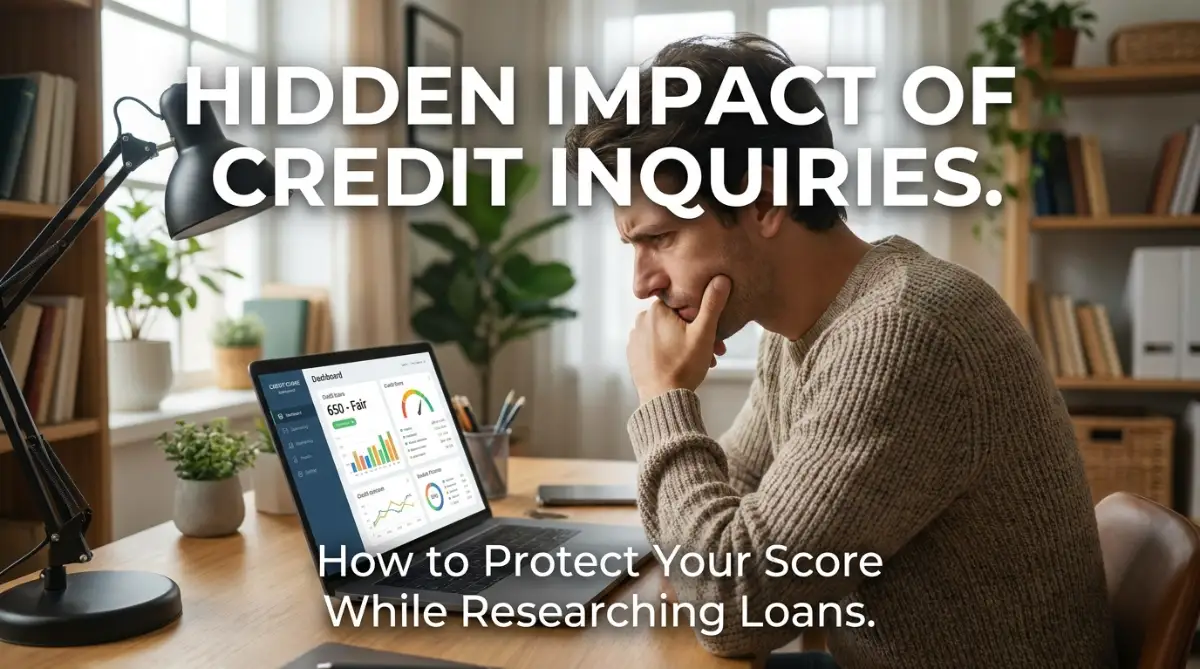
Every time you apply for a new card or a loan, the lender does a "hard inquiry." If you apply for five different cards in a short time, you look "credit hungry." This scares off lenders.
Stop applying for new credit at least six months before you apply for your big loan. Every inquiry stays on your report for a long time. Keep your profile quiet and stable.
Step 7: Use "Credit-Builder" Loans Wisely
If you have no credit at all, it can be just as hard as having bad credit. Look for a small "credit-builder" loan at your local credit union. They hold the money in a locked account while you make payments.
Once you finish paying, they release the money to you and report your perfect payment history to the bureaus. It is a safe and effective way to build trust with lenders.
How to Stay Consistent and Reach Your Goal
Improving your score is a marathon, not a sprint. You have to stay disciplined. Check your progress every few months, but don't obsess over it daily.
If you want to understand how these credit moves translate to your actual loan application, watch this helpful video that breaks down the math behind the interest rates.
Watching this video will give you the clarity you need to negotiate better terms with your bank.
By following these seven steps, you are putting yourself in the best possible position. You are showing lenders that you are a reliable borrower. You are taking control of your financial destiny.
Stay patient. The results won't happen overnight, but they will come. Once you hit that higher score, you will wonder why you didn't start this process sooner. Keep your head up, stay organized, and keep moving forward. You have got this.
Smart Strategies for Long-Term Credit Health
Building a great credit score isn't just about cleaning up the past; it’s about habits that last a lifetime. Once you have managed to stabilize your score, you need a plan to keep it moving upward. As your financial reputation. You wouldn’t want to ruin a good reputation by acting carelessly, right? Think of your credit report
One secret the pros use is "Credit Cycling." If you have a card with a high limit, use it for your daily groceries or gas, but pay the balance off every single week rather than waiting for your monthly statement. This keeps your reported balance consistently low, which is a major win for your credit utilization ratio.
Another expert move is to call your card issuers and ask for a limit increase
e every few months. If your income has grown, tell them. If they increase your limit without pulling your credit, your utilization ratio drops automatically, and your score rises without you spending a dime.
Finally, keep a close eye on your accounts by setting up balance alerts. When you know exactly what is hitting your bank account, you avoid the sting of late fees. Check out the ultimate blueprint to fixing your credit without new loans to see how you can maintain this momentum without getting into unnecessary debt.
Traps That Can Undermine Your Progress
It is easy to get excited when you see your score moving up. However, many people fall into the trap of "credit overconfidence." They start applying for store cards, thinking a few extra accounts won't hurt. This is a dangerous mistake.
Every time you open a retail store card, you are adding a small, high-interest account that doesn't add much value to your profile. It just adds clutter and potential for a missed payment. Avoid these "temptation traps" like the plague.
Another common pitfall is ignoring your personal budget. If you are paying off debt but still overspending on things you don't need, you will just find yourself back in the same hole. A good score is useless if you don't have the cash flow to back it up.
Also, never ignore a "small" debt collection. Even a tiny bill from an old medical check-up can drag your score down significantly. Deal with these immediately. Use this guide on the secret financial toll of ignoring your loans to ensure you aren't leaving any loose ends behind.
Your Path to Financial Peace of Mind
You are standing at the threshold of a much brighter financial reality. A high score isn't just a number; it’s the key to better opportunities, cheaper loans,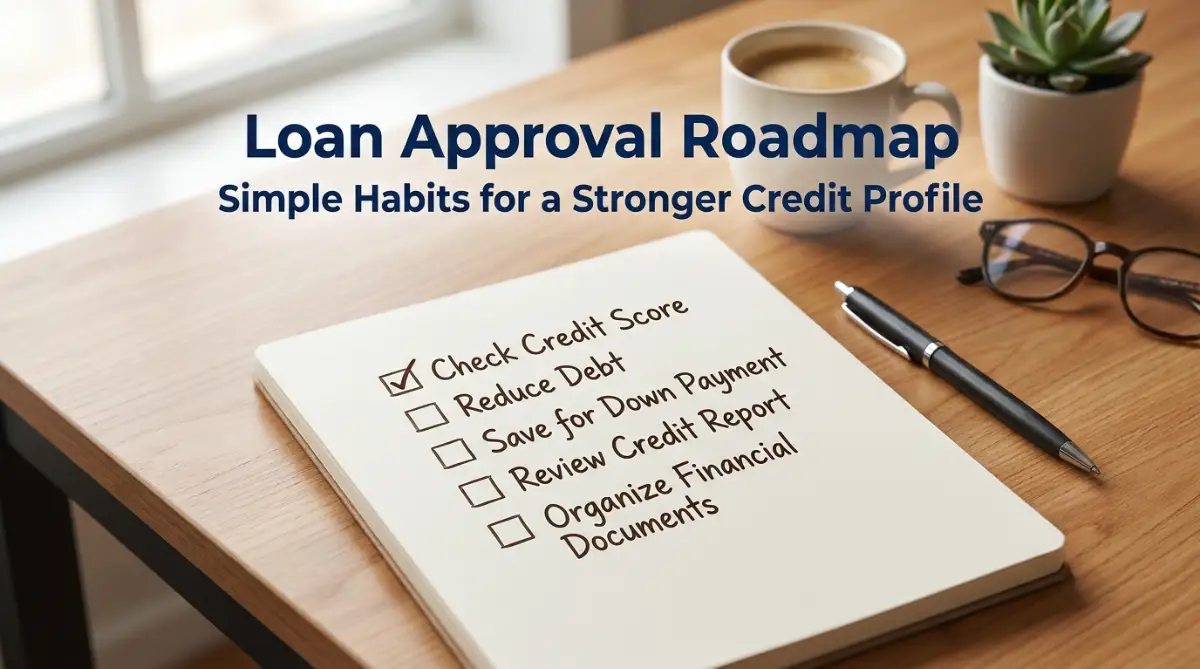 and less stress. I want you to look at this process as an investment in your future self.
Take it one step at a time, and don't let the fear of past mistakes keep you from taking action today. By managing your debt wisely, you are proving to the world—and to yourself—that you are in charge. Remember that you can always find the secret blueprint to a better credit score whenever you feel lost.
I know how hard it is to start, but I promise that the relief you feel when you see that score climb is worth every effort. My biggest piece of advice is to just start. Don't wait for the perfect moment. Take your first step toward better credit right now.
Common Questions About Your Credit Score
Does checking my own credit report lower my score?
No, it does not. Checking your own report is considered a "soft inquiry," and it has zero impact on your actual score.
How long does a negative mark stay on my report?
Most negative information, such as late payments or collection accounts, stays on your report for about seven years. However, the impact on your score lessens significantly over time.
Is it better to pay off a debt or save the cash?
Generally, if you have high-interest debt, paying it off provides a "guaranteed return" by saving you money on interest. You can learn more about managing this on info2i.com.
Can I get a loan with a fair score?
Yes, you can, though the interest rate might be higher than someone with an excellent score. Improving your score even slightly can help you qualify for better deals. The best loan.
Disclaimer: This content is for educational purposes only and does not constitute professional financial or legal advice. Every individual's financial situation is unique. Please consult with a certified financial advisor or credit counselor before making significant financial decisions.