The Heavy Burden of Uncertain Monthly Payments
I still remember the night I sat at my kitchen table, staring at a stack of bills that seemed to grow larger every single month. My heart was racing, and my hands were shaking as I tried to calculate how much I would owe the bank next month. I had signed up for a loan without fully understanding the fine print about how interest rates work. One month the payment was manageable, and the next, it felt like an unexpected weight pulling me underwater. I felt trapped, stressed, and completely out of control of my own future.
That feeling of not knowing if you can pay your bills is a heavy burden to carry. It turns every cup of coffee or grocery trip into a math problem. You stop enjoying life because you are constantly worried about the next payment increase. It keeps you up at night, wondering if you made the right decision for your family. The mental toll is real, and it touches every part of your day. You deserve better than this constant cycle of anxiety.
Many people face this same struggle every day. They jump into financial agreements because they sound good at the time, only to realize later that they lack the safety they truly need. It is not just about the math; it is about your peace of mind. When your payments shift unexpectedly, your personal budget breaks. You might have to cancel plans or cut back on things that matter to you. This constant insecurity can lead to burnout and a feeling of hopelessness.
You are not alone in this struggle. I have been there, and I know exactly how it feels to want a way out. The goal here is to help you understand your choices so you can finally breathe easier. You do not have to live in fear of the next interest rate hike. Let us break down how to take charge of your financial path. It starts with knowing the difference between the two main types of rates.
The Hidden Mechanics of Interest Rates
When you borrow money, the lender charges a fee for the privilege. This fee is the interest rate. It determines how much extra you pay on top of the money you actually borrowed. There are two primary ways this rate behaves. Knowing this is the first step toward reclaiming your financial freedom.
Understanding the Fixed Rate Stability
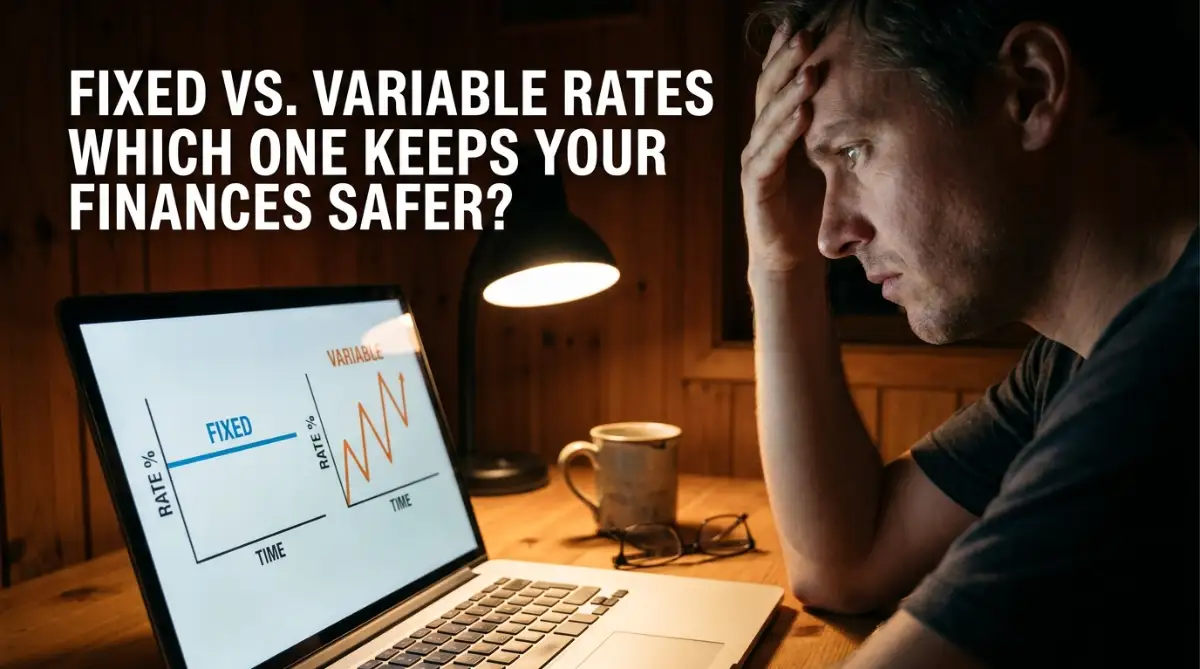
A fixed rate is like a security blanket for your budget. Once you sign the agreement, the interest rate stays the same until the end of your term. Your monthly payment does not change, no matter what happens in the economy. This predictability is its greatest strength.
You know exactly how much money will leave your account on the same day every month. It makes long-term planning simple. If you are someone who likes to budget down to the last cent, this is a great choice. You are protected from sudden rate spikes that could break your bank account.

The Flexible Reality of Variable Rates
Variable rates, also known as floating rates, move up or down based on market benchmarks. When the economy shifts, your rate changes. This can be great when rates go down, as your payment drops. But when rates go up, your payment increases, sometimes significantly.
It is a gamble. You might save money if rates stay low for a long time. However, you are exposed to the risk of global economic shifts. This makes it hard to predict your expenses six months or a year from now.
How to Choose the Path That Fits Your Life
Choosing between these two is not just about math; it is about your risk tolerance. You need to look at your personal goals and your current situation. Ask yourself if you can handle a surprise increase in your monthly costs.
Assess Your Budget Flexibility
If your monthly budget is tight, a fixed rate is often the safer bet. It removes the element of surprise. You build your life around a set number, and that number stays put. This removes the stress of wondering if you will have enough cash next month.
If you have a buffer in your savings, you might consider a variable rate. You can handle the ups and downs because you have extra funds tucked away. If a payment increases, it does not mean skipping a meal or delaying a payment. Only take this route if you have that safety net in place.
Pro Tip: I once opted for a variable rate to save a tiny bit of interest, but when the market spiked, I had to dip into my vacation savings just to cover the difference. It taught me that saving a few dollars in interest is never worth the stress of losing your budget control. Now, I prefer the peace of mind that comes with knowing my exact payments every single month.
The Long-Term vs. Short-Term Strategy
Are you keeping this loan for a long time? If you plan to pay it off in ten or twenty years, a fixed rate protects you against decades of potential market changes. It is a set-and-forget strategy that saves you from worrying about global trends.
If you plan to pay off your debt quickly—say, within two or three years—a variable rate might be tempting. You are not exposed to the market for long, so the risk is lower. You might finish your debt before a major rate increase hits you.
Expert Insight: Monitoring Market Trends
You don’t need to be an economist to get a sense of where rates are headed. Most central banks announce their decisions on interest rates publicly. Keeping a casual eye on financial news can give you a heads-up.
If news outlets are talking about potential rate hikes, it might be the time to consider locking in a fixed rate. If they are talking about cooling down the economy, variable rates might become more attractive. Use this information to inform your decisions rather than letting the market dictate your lifestyle.
"Want to understand how interest rates are affecting your wallet? Watch this short guide to take control of your financial future."
Common Mistakes to Avoid
The biggest mistake people make is choosing a rate based on what the bank agent recommends. Remember, agents often get commissions or have internal goals. You must choose what is best for your own life, not what is best for the bank’s quarterly report.
Another mistake is ignoring the "term" length. A fixed rate is only good if it is fixed for a period that matches your financial goals. Make sure you read the contract clearly. Don't be afraid to ask for a copy of the agreement to review at home before you sign anything.
The Myth of "Always Getting the Best Deal"
Many people hunt for the lowest rate, thinking that is the only metric of a "good" deal. A rate that is 0.5% lower might look great on paper. But if it is a variable rate that can increase by 2% next year, it is not a good deal for your security. Always look at the potential for change, not just the starting number.
Building Your Financial Defense
Your financial safety is not built in a day. It is built through small, consistent choices. Once you choose the rate that fits your risk level, focus on your repayment plan.
Why Repayment Speed Matters
No matter the rate you choose, paying down your principal faster reduces the interest you pay over time. It shortens the life of your debt. This is the ultimate way to stay safe from interest rate fluctuations.
Creating an Emergency Buffer
Even with a fixed rate, life happens. You might have an emergency or a job change. Always keep an emergency fund that covers three to six months of expenses. This fund is your insurance against the unexpected, giving you the power to choose how you handle your debts.
The Mental Shift Toward Security
Financial safety is as much about your mindset as it is about your bank account. Stop viewing your loan as a monster you need to fight. View it as a tool that you are managing with skill and foresight.
When you make a conscious choice—whether it is a fixed rate for stability or a variable rate for potential savings—you are in the driver's seat. You are taking responsibility for your future. This shift in perspective is what changes you from a victim of interest rates to a master of your own money.
Focus on What You Can Control
You cannot control the global economy. You cannot control what the central bank decides. But you can control how much you pay each month. You can control your spending habits. You can control how much you save. Focus your energy here.
Summary: Your Path to Financial Peace
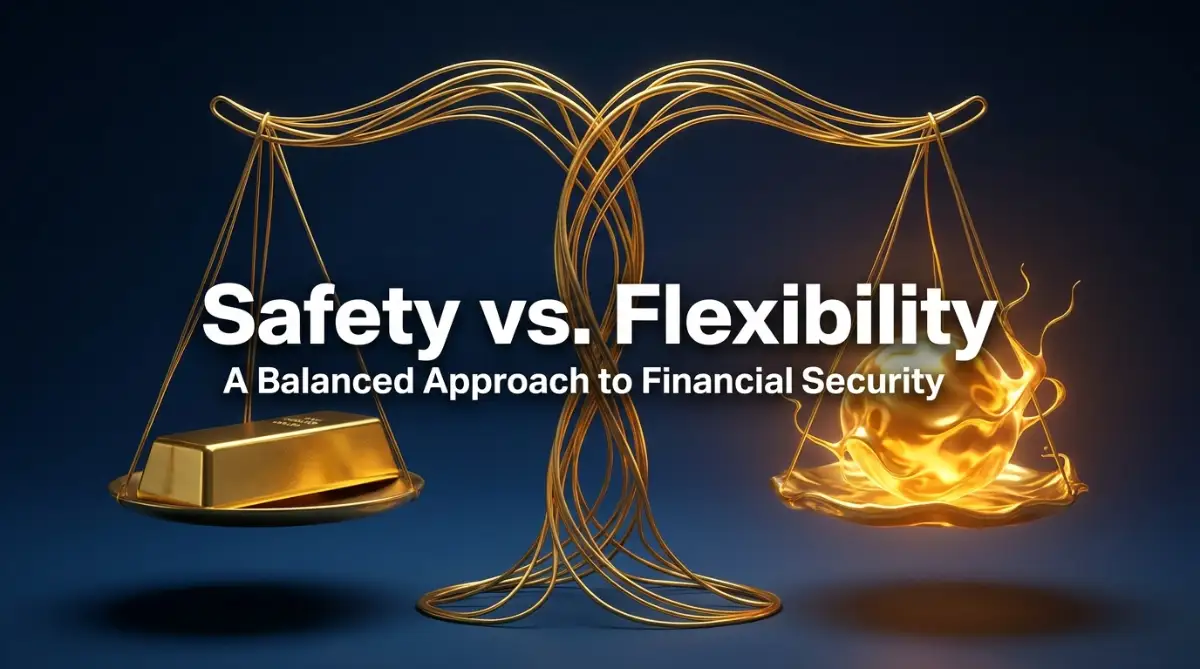
Choosing between fixed and variable interest rates is a personal decision that impacts your daily life. A fixed rate provides the comfort of knowing exactly what your future costs will look like. It is the best choice for those who value peace of mind and strict budgeting.
A variable rate offers potential savings but comes with the trade-off of uncertainty. It requires a more flexible budget and a healthy emergency fund. Do not let the promise of small savings blind you to the risk of sudden increases.
Take the time to review your current agreements. Talk to your financial institution if you are unhappy with your current terms. You have more power than you think. By making informed decisions today, you are protecting your future self from the stress of yesterday's mistakes. Keep your focus on your long-term goals, stay consistent, and remember that financial security is a journey, not a destination. You are doing great by taking these steps to learn and grow. Your wallet and your future self will thank you for the diligence you are showing today.
Smart Strategies for Long-Term Interest Rate Management
To keep your finances safe, you need to go beyond just picking a rate. You must understand how to manage your debt like a seasoned pro. One of the best ways to stay ahead is by automating your payments. When you remove the manual effort, you also remove the risk of late fees and missed deadlines that can hurt your credit standing. Check out these practical ways to improve your credit standing without needing to take on extra loans.
Building a Buffer for Market Volatility
If you are currently on a variable rate, your biggest enemy is surprise. I always suggest keeping a "Rate Change Fund" in a separate high-yield savings account. This is extra cash that you set aside specifically for when your interest rate ticks upward. When the market shifts and your payment increases by a small amount, you simply pull from this fund instead of dipping into your daily living expenses. You can learn more about how to protect your finances from the hidden financial toll of ignoring your loans by organizing your debt repayment properly.
The Power of Periodic Reviews
Even if you have a "fixed" rate, don't just forget about it for years. Markets change, and sometimes it makes sense to refinance your debt if rates have dropped significantly across the board. Take a look at official data from the Federal Reserve to see current trends in economic borrowing costs. Comparing your current rate to market averages once every year or two ensures you aren't paying more than you should.
Prioritizing Principal Over Interest
The fastest way to kill the risk of interest rate changes is to shrink the loan balance. Every extra dollar you pay toward the principal reduces the amount of interest you are charged in the next cycle. This effect compounds over time, effectively insulating you from rate hikes because your debt is shrinking faster than the rates are rising. For those struggling to manage their current obligations, following a proven blueprint for fixing your credit is a great way to start.
The Dangers of Ignoring Market Signals
Many people fall into the trap of thinking their loan agreement is static. They ignore the warning signs in the economy, thinking that their payment will always be what it was on day one. This leads to a state of financial blindness. When the change finally hits your bank statement, you are caught completely off guard.
The Over-Confidence Bias
Another common mistake is assuming that you can "beat the market" by timing your loan changes. Unless you are a financial professional, trying to guess exactly when rates will hit a bottom is a dangerous game. Most people who try this end up paying more in fees and stress than they ever save in interest.
Failing to Read the Fine Print
I have seen too many friends sign agreements without checking for "prepayment penalties." Some lenders lock you into a high rate and then charge you a massive fee if you try to pay off the loan early. Before you lock in any deal, verify that you have the freedom to pay extra whenever you have the cash. Check this guide on consumer protection to understand what your rights are regarding loan contracts.
Using Debt as a Crutch
Some borrowers take on a variable rate specifically because it offers a lower monthly payment than a fixed option. They use the "saved" money to buy things they don't really need. This is a recipe for disaster. If the rate jumps, you suddenly have a higher payment and no savings to cover it. Always live as if your rate is slightly higher than it actually is, so you are never surprised.
Your Path to Financial Clarity
You now have the tools to look at your loans not with dread, but with a strategy. Whether you choose the stability of a fixed rate or the potential of a variable one, the power lies in how you manage your day-to-day cash flow. Remember that your goal is not just to save a few pennies in interest, but to build a lifestyle where you are not controlled by bank statements. You can find more helpful resources for managing your personal budget here.
My journey started with a single decision to stop being scared of my debt. I started looking at the numbers, asking hard questions, and taking small steps to pay down my balance. Today, I feel a sense of calm that I never thought was possible. You can do the same. Take the first step today, check your loan terms, and claim the peace of mind you deserve.
Common Questions About Interest Rates
Should I switch to a fixed rate if I am worried about the economy?
If the economy feels unstable, a fixed rate acts as a safety shield. It locks in your costs so you don't have to worry about sudden spikes in your monthly bills.
Can I negotiate my interest rate with my bank?
Absolutely. Banks often value long-term customers and may be willing to adjust your terms if you have a history of on-time payments and a good credit score.
Is a variable rate ever the right choice?
Yes, it can be beneficial if you are planning to pay off your debt very quickly, as you might enjoy lower rates for a short period without being exposed to long-term market risks.
How often should I check my loan terms?
A quick review once a year is usually enough. It helps you stay aware of your progress and ensures you are still on the best path for your current situation.
Disclaimer: The information provided in this article is for educational purposes only and does not constitute professional financial advice. Always consult with a certified financial planner or tax professional before making significant decisions regarding your loans or investments. We are not responsible for any financial losses or outcomes resulting from the use of this content.