When Interest Rates Feel Like a Trap
I remember staring at my bank statement three years ago, feeling my heart sink. I had taken out a loan thinking I understood exactly how my repayments worked, but every month felt like a losing battle. My balance barely moved, and I felt like a hamster on a wheel, running fast but getting nowhere. I blamed the bank, the economy, and sometimes even the timing of my application. I spent countless nights searching for answers, convinced that there was some hidden secret I was missing.
That anxiety wasn't just about money; it was about the lack of control. I couldn't sleep properly because I was constantly worried about whether I could afford my next payment. It’s a heavy weight to carry when you feel like the system is rigged against you. I realized later that I had been believing myths that kept me from making smarter choices. If you are feeling that same weight right now, please know that you are not alone.
Many people face this exact struggle, trapped by the fear of rising interest rates and confusing jargon. It creates a cycle of stress that impacts your work, your family, and your peace of mind. You start questioning every purchase and dreading the arrival of your monthly statement. It is a suffocating feeling, but it is one you can break free from. The key lies in understanding what actually controls those numbers, rather than relying on common misconceptions.
The Fiction of "Fixed Rates" and Borrowing Logic
We often hear people say that if you have a fixed rate, you have nothing to worry about. This is a half-truth that often leads to complacency. While your interest rate might be locked for a certain period, your overall repayment strategy is never truly "set it and forget it." Many borrowers assume that once they sign the papers, the bank handles the rest. This belief often stops them from checking for better options or making extra payments.
Another big myth is the idea that the central bank’s rate changes reflect your personal situation immediately. While these rates do set a trend, your individual repayment is often dictated by your credit health and the terms of your specific contract. You might think that a rate drop means you are instantly saving money, but that isn't always true. Sometimes, the administrative costs or the type of loan you hold can keep your repayments high despite market shifts.
Why Your Credit Score is the Real "Interest Rate Master"
Many people believe that interest rates are solely determined by what the bank offers on their website. In reality, your credit score is the primary driver of the rate you are actually offered. Think of your credit score as your financial fingerprint; it tells the lender how much of a risk they are taking by giving you money. If your score is high, you are seen as a safe bet, which earns you a lower rate.
Conversely, a lower score forces lenders to charge you more to offset their perceived risk. This is where many people get stuck in a cycle of high repayments. They assume the rates are fixed for everyone, so they don't bother trying to improve their financial profile. Improving your score is one of the most effective ways to lower your interest rates over the long term. It isn't just about getting a loan; it's about paying less for the privilege of borrowing.
Pro Tip: My Personal Turning Point
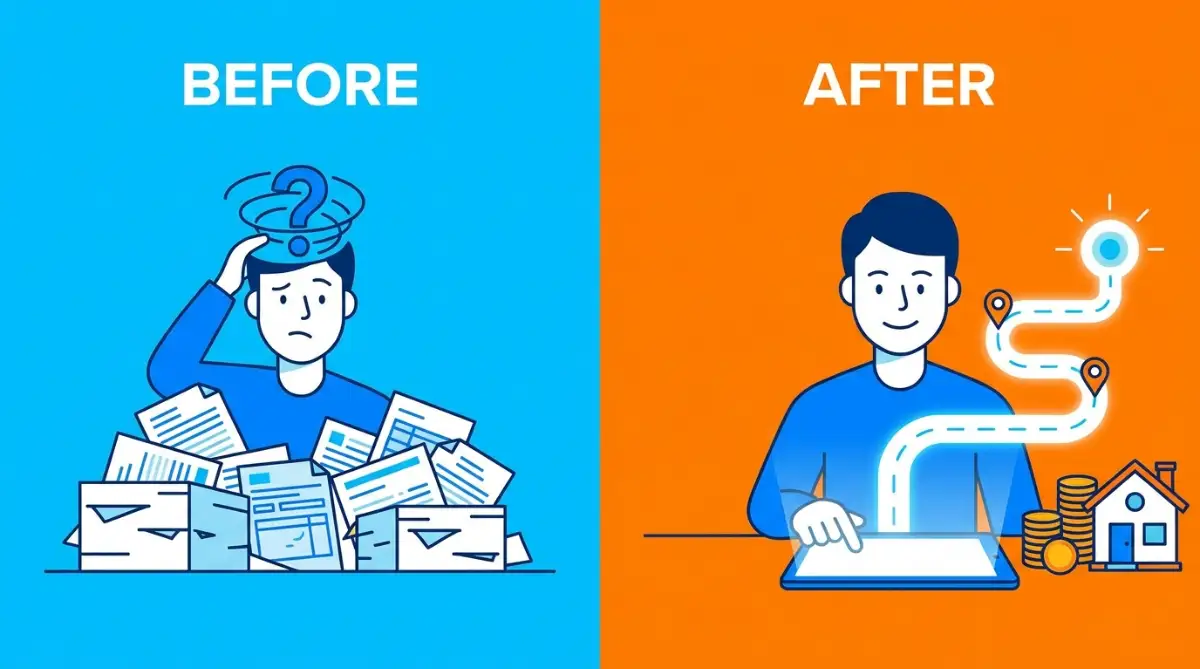
I once made the mistake of ignoring my credit report because I thought checking it would lower my score. That was a huge misconception. Once I finally started monitoring it and fixing small errors on my file, I was able to refinance my debt at a much lower rate. My advice? Don't be afraid to look at the numbers. Taking ownership of your data is the first step toward getting the banks to work for you.
The Power of Extra Principal Payments
One of the most effective ways to slash your total interest cost is to make extra payments toward the principal. Most people focus only on the monthly minimum payment. By doing this, you are mostly paying off the interest that the bank charges you. When you pay a little extra, that money goes directly to reducing the amount you borrowed.
Because the total amount of debt is lower, the interest calculated for the next month is also lower. It creates a snowball effect that can shave years off your repayment timeline. You don't need to pay thousands extra; even a small amount every month makes a big difference. This simple habit is the secret weapon that most successful borrowers use to become debt-free faster.
Understanding the Amortization Schedule
You should ask your bank for an amortization schedule. This document shows exactly how your payment is split between interest and the principal loan balance. Looking at this can be an eye-opener. At the beginning of a loan, you will notice that the vast majority of your payment goes to interest. As you pay down the principal, that ratio shifts in your favor.
Why You Should Avoid Long-Term Loans
It is tempting to choose a longer repayment term to keep monthly payments low. While this makes your budget look better on paper, you end up paying significantly more in interest over time. If you can afford a slightly higher monthly payment, opting for a shorter term is almost always a better financial decision. You save a massive amount of money in the long run.
How Bank Fees Hide in Your Interest Rate
Sometimes, you might find a loan with a seemingly low interest rate, but the total cost is still high. This usually happens because of hidden fees or "origination" charges. These costs are often added to the loan amount or spread out over the term, effectively increasing your real interest rate. Always look at the Annual Percentage Rate (APR) rather than just the base interest rate.
The APR gives you a much clearer picture of what you are actually paying. It includes the interest plus the mandatory fees associated with the loan. By comparing the APR of different offers, you can avoid the trap of choosing a loan that looks cheap but ends up costing more. Don't let marketing terms distract you from the true cost of borrowing.
Taking Control of Your Financial Future
The journey to financial health isn't about luck or guessing how the market will move. It is about understanding the tools you have and using them wisely. By debunking these myths, you are already ahead of most people. Stop relying on assumptions and start looking at the facts behind your specific loan contract.
You have the power to influence your repayments by maintaining a good score and making strategic extra payments. It takes discipline, but the peace of mind you get from knowing exactly how your money is working is worth every effort. Stay consistent, keep learning, and don't be afraid to challenge the status quo when it comes to your debt. Your future self will thank you for the steps you are taking right now.
Mastering Your Debt: Advanced Strategies for Financial Freedom
When you start digging into the mechanics of your interest rates, you realize that most banks rely on you being passive. They want you to pay the minimum and keep the interest flowing for as long as possible. To truly take control, you need to go beyond the basic monthly payment. One of the best ways to start is by fixing your credit without new loans, which helps you negotiate better terms later.
Advanced Tactics to Tame Your Interest Costs
The most powerful tool in your arsenal is the bi-weekly payment schedule. Instead of paying once a month, you split your payment in half and pay it every two weeks. Because there are fifty-two weeks in a year, you end up making twenty-six half-payments, which equals thirteen full payments. That extra payment every year goes straight to your principal balance, significantly shortening your loan term.
You should also look into the concept of "debt layering" if you have multiple obligations. Focus all your extra cash on the account with the highest interest rate first, while paying the minimum on others. This method, often called the debt avalanche, is mathematically the fastest way to stop interest from compounding. If you find the process overwhelming, consider the secret financial toll of ignoring your loans to understand why delaying action costs you more than just money.
Another secret is to automate your payments to coincide with your payday. When money sits in your checking account, it is far too easy to spend it on things you don't need. By setting up an automatic transfer, you treat your debt repayment like a non-negotiable bill. This creates a consistent habit that keeps your balance trending downward without you having to think about it every month.
Building Long-Term Financial Resilience
Staying on track is much harder than starting. To keep your momentum, you must occasionally audit your financial habits. I personally found that using a simple budget structure allowed me to see exactly where my money was leaking. You should also check for opportunities to refinance if your credit score improves significantly.
According to research by the Consumer Financial Protection Bureau, knowing your rights as a borrower is just as important as knowing your interest rate. If you feel like your bank is not being transparent about how your rates are calculated, never hesitate to ask for a written explanation. Clear communication with your lender can sometimes lead to unexpected administrative adjustments.

Pitfalls That Keep Borrowers Trapped
The biggest mistake people make is focusing on the monthly payment instead of the total cost. When you see a low monthly bill, you assume you are winning. In reality, that low payment is often a sign that you are stretched over a very long term, paying more interest than you ever imagined. Avoid the trap of "affordability" and start looking at the total interest you will pay by the end of the loan.
Another common blunder is using your home or assets to secure a loan just to get a slightly lower rate. This puts your most valuable assets at risk if you hit a rough patch. If you lose your job or face an emergency, a secured debt can quickly turn into a nightmare. Always prioritize keeping your basic needs secure before taking on high-risk debt.
If you want to understand how principal and interest actually work in loan payments, this short video breaks down the math behind the curtain.
Many people also fail to create an emergency fund before attacking their debt. If you throw every cent at your loan and a car breakdown happens, you will likely end up using a credit card to cover it. This defeats your progress because high-interest credit card debt will cancel out your gains. Always keep a small "cushion" of cash to handle life's surprises so you don't have to borrow again.
Taking Charge of Your Financial Narrative
Your financial situation is not a permanent state; it is a series of choices you make every single day. By understanding how interest works, you have moved from being a passive payer to an active manager of your own money. The system is designed to keep you confused, but you now have the clarity to look past the numbers.
I spent years feeling like a victim of my own financial decisions until I finally decided to own the process. My journey taught me that you don't need a massive salary to become debt-free; you just need a clear plan and the courage to follow it. Take that first step today, whether it's setting up an extra payment or checking your credit report. You have the power to change your story starting right now.
Common Questions About Loan Repayments
Does checking my credit score lower it?
No, checking your own credit score through most modern apps or platforms is considered a "soft inquiry." It has zero impact on your actual score, so you should monitor it regularly to catch errors.
Is it always better to pay off debt early?
Usually, yes, because you save on interest costs. However, check if your loan agreement includes a "prepayment penalty" that could negate those savings.
How do I know if I should refinance?
If your current interest rate is significantly higher than the average market rate for someone with your current credit score, refinancing could save you money. Always calculate the closing costs to ensure they don't outweigh the interest savings.
Can I change my repayment date?
Most lenders are happy to move your due date to better align with your paycheck. A simple phone call to customer service is all it takes to make your budgeting much easier.
Disclaimer: The information provided here is for educational purposes only and does not constitute professional financial or legal advice. Every financial situation is unique, and you should consult with a qualified professional before making major decisions regarding your debt or loan terms.