The Moment I Realized My Money Was Vanishing
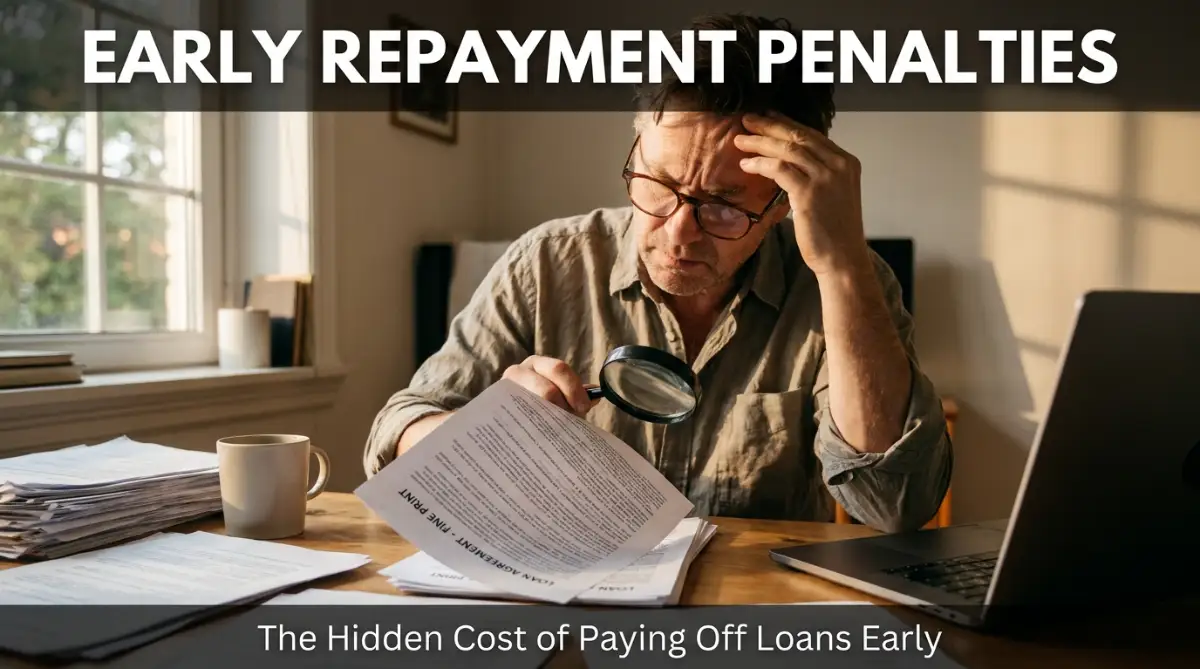
I remember sitting in my small home office, staring at my bank statement with a sense of pure frustration. I had finally managed to save up enough money to pay off the remaining balance of my personal loan three years ahead of schedule. I felt like a genius, thinking I would save thousands in interest and finally be free from that monthly burden. I called the bank, ready to celebrate, only to be hit by a wall of fine print.
The representative calmly explained that because I was closing my account early, I had to pay an "early repayment charge." My heart sank. I thought I was doing something smart, but instead, I was being punished for being responsible. I felt stuck, angry, and honestly, a bit foolish for not reading every single page of that initial contract. I spent the next few hours digging through my old files, only to find the clause hidden in a dense paragraph on page twelve.
It felt like a trap I had set for myself. All that extra money I worked hard to save was going straight into the bank's pocket as a penalty fee. This experience changed how I look at money forever. It taught me that financial institutions have rules that don't always align with the borrower's best interests. Ever since that day, I vowed to never sign anything until I know exactly what happens if I want to get out of the deal early.
The emotional toll of these hidden fees is real. You lose sleep, you feel betrayed by the system, and your trust in financial products drops. It turns a moment of financial victory into a bitter pill to swallow. People struggle with this daily, wondering why they should be charged for the "crime" of returning borrowed money sooner than expected. It keeps families in debt longer than they need to be, simply because the cost of leaving is too high.
Decoding the Fine Print: Why Contracts Are Built to Keep You Bound
Many borrowers assume that paying a loan off early is always a good thing. While it is true that you stop accumulating interest, the "Early Repayment Penalty" (ERP) acts as a protective shield for the lender. When you sign a loan, the bank calculates its profit based on the interest it expects to earn over the full term. If you pay it off early, they lose out on that projected profit.
The Logic Behind the Penalty
Banks argue that these fees cover the administrative costs of closing an account and the lost opportunity to invest that money elsewhere. However, for the average person, this is just another way to ensure the lender gets their pound of flesh. You need to look for specific keywords in your agreement, such as "Exit Fee," "Early Liquidation Charge," or "Prepayment Penalty."
My Personal Wake-Up Call
I learned the hard way that not all loans are created equal. My biggest mistake was assuming that every loan worked like a credit card where you can pay anytime without consequences. I realized that personal loans, mortgages, and auto loans often have rigid structures. I now make it a habit to ask, "Is there a penalty if I pay this off tomorrow?" before I even sign the first document.
How to Scan Your Documents Like a Pro
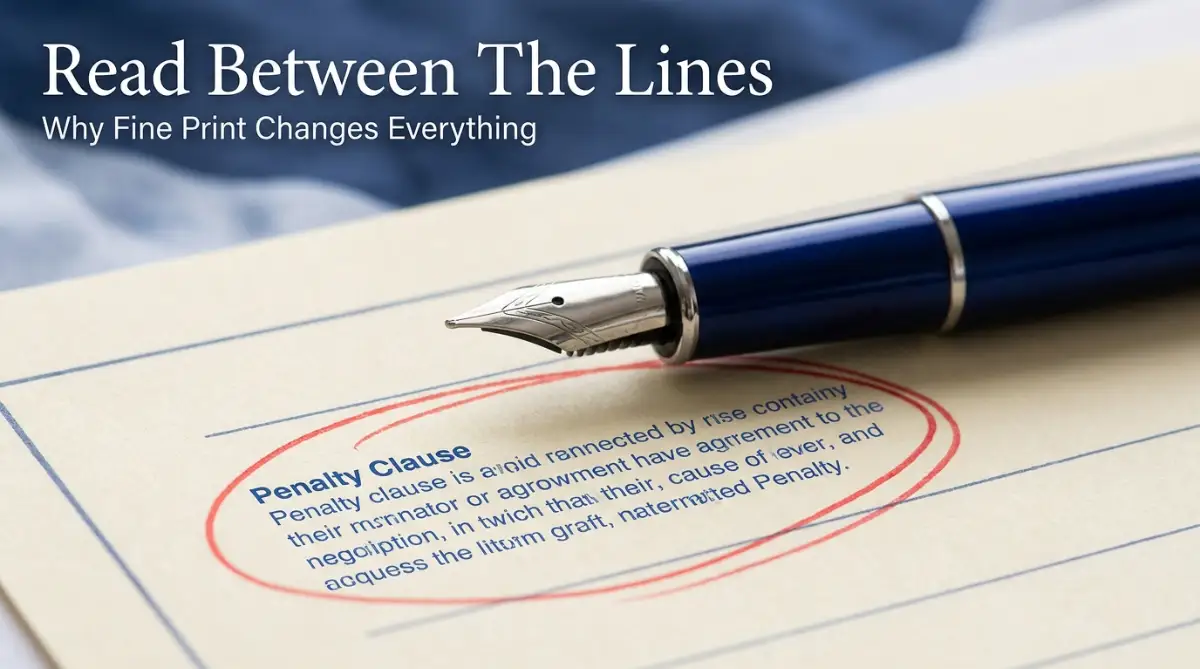
Don't just look for the interest rate. Flip to the back pages where the "Terms and Conditions" live. If you see a table or a section dedicated to "Prepayment," read it three times. If the language is too complex, call the bank and ask for a simple example. For instance, ask them, "If I pay off $10,000 extra this year, exactly how much will you charge me?"
Pro Tip: I once negotiated an early repayment clause out of a loan agreement simply by asking. I told the loan officer that I planned to pay it off early and if they wanted my business, they had to waive the penalty. They initially said no, but after I mentioned looking at other lenders, they suddenly found a way to offer a penalty-free option. Never be afraid to negotiate the terms before the ink is dry.
The Role of Regulatory Awareness
In many regions, regulators have stepped in to protect consumers. However, these laws often have loopholes. Some banks will only waive the penalty if you pay off a certain percentage of the loan. Others might only allow penalty-free payments during specific windows of time. Always check your local financial authority’s guidelines to see what your rights are.
You deserve to be in control of your financial journey. Understanding these penalties isn't just about reading; it's about shifting the power balance back to you.
What to Look for in Your Agreement
- The "Prepayment Clause": This is where they define if you can pay early and what it costs.
- The "Interest Savings vs. Fee" Calculation: Is the interest you save by paying early more than the fee they charge? If yes, it might still be worth paying it off.
- The "Notice Period": Some banks require you to notify them 30 to 90 days before making a large extra payment.
Want to learn how to calculate if your early payment is actually worth the penalty? Check out this breakdown below:
This video provides a clear, step-by-step method to calculate your potential savings and whether a penalty will actually hurt your bottom line.
Taking Action Today
Start by locating your loan agreement. If you can't find it, log into your online banking portal and download the latest version of your contract. Grab a highlighter and look for anything related to "early repayment," "partial payment," or "early termination."
If you find a clause that seems unfair, don't panic. You now have the knowledge to plan. You can decide whether to pay the loan off in smaller chunks that avoid the penalty threshold or to wait until a specific time when the penalty might decrease.
Remember, financial literacy is a muscle you build over time. Every time you read a contract instead of just signing it, you are protecting your future self. You are no longer just a borrower; you are an informed customer who knows exactly how the game is played. Stay curious, stay vigilant, and always keep your eyes on the fine print. Your bank will appreciate your attention to detail, and your wallet certainly will too.
Advanced Strategies to Master Your Loan Exit
Once you understand the basic mechanics of your agreement, you can start playing the game smarter. Many borrowers focus only on the monthly installment, but the real power lies in how you manage your principal balance over time. If you are serious about managing your personal budget, you need to look at your loan as a flexible asset rather than a rigid burden.
Strategic Timing for Lump-Sum Payments
Most lenders calculate interest daily. This means that even a small extra payment made today is more effective than a larger payment made at the end of the month. By making irregular, smaller payments, you chip away at the principal, which reduces the total interest accruing daily. If you want to dive deeper into how interest calculation works, you can explore the ultimate guide to interest rates to see how your money shifts when you pay early.
The Art of Negotiating Your Terms
Did you know that some loan clauses are negotiable even after you have signed? If your financial situation changes, don't just sit and pay. Contact your lender and ask for a hardship review or a modification to your repayment schedule. Sometimes, just showing that you are informed about fixing your credit makes lenders more willing to work with you to keep your account in good standing.
Refinancing as a Tactical Move
If you feel trapped by high penalties, check if refinancing with another lender makes sense. Sometimes, the cost of moving your debt to a penalty-free lender is lower than the amount you would pay in interest over the life of your current loan. Always compare the numbers carefully by checking resources like the Federal Reserve’s consumer guides to ensure you understand the long-term impact of switching providers.
The Hidden Traps That Keep You in Debt
Falling into bad habits can turn a manageable loan into a cycle of permanent stress. One of the biggest mistakes people make is treating a loan as "free money" rather than a calculated debt. When you ignore the terms, you lose the ability to protect yourself from unnecessary charges.
Falling for the "Minimum Payment" Illusion
Many people think that paying the minimum is enough to stay safe. While it keeps your account current, it does nothing to lower your principal or your vulnerability to penalties. If you consistently pay only the minimum, you are essentially renting the bank's money at a very high cost. It is often better to look at ways to skyrocket your credit score rather than just making minimum payments that lead nowhere.
Ignoring the Fine Print on "Partial Payments"
Some banks have a specific system where they don't count partial payments toward your principal. Instead, they might hold that money in a separate account until you reach a full installment amount. This means you aren't actually reducing your debt, and you aren't saving on interest. Always ensure your extra payments are explicitly marked as "Principal Reduction" to avoid this pitfall.
Failing to Plan for Life Changes
Unexpected events happen, but failing to include debt management in your financial recovery plan is a recipe for disaster. If you lose your job or face an emergency, you need to know exactly how your loan contract treats deferments. Never wait until a crisis hits to read your contract. Being proactive means you have a backup plan ready to go before you even sign the initial loan papers.
Your Path to Financial Freedom Starts Now
You are now equipped with the knowledge to read between the lines and take control of your financial destiny. By moving away from passive borrowing and into active management, you save money and gain peace of mind. Every contract you carefully review brings you one step closer to true independence.
I know it feels overwhelming at first, but I promise that once you take the lead, the stress starts to fade away. My journey taught me that banks aren't your enemy, but they certainly won't help you save unless you know exactly what to ask for. I am rooting for you as you take these steps to clear your debt and reclaim your future.
Frequently Asked Questions
Can I always negotiate an early repayment penalty?
Not always, but it is often worth a try. Lenders are more likely to waive fees if you have a long history of on-time payments or if you are switching to a new loan product with them.
Why do banks charge for early repayment?
Banks base their profit on the interest they expect over the full term of the loan. Early repayment stops this interest flow, and banks use these penalties to offset their administrative and opportunity costs.
Does paying off a loan early always save money?
Not necessarily. You must calculate if the savings from interest outweigh the cost of the penalty fee. Sometimes, the fee is so high that it cancels out any potential savings.
What should I look for in my contract?
Look for terms like "Prepayment Charge," "Exit Fee," or "Early Liquidation Penalty." These sections outline how much you have to pay and if there are specific time windows for making extra payments.
Disclaimer: This content is for educational purposes only and does not constitute professional financial advice. Always consult with a qualified financial advisor or read your specific loan agreement before making significant financial decisions.