
The Hidden Complexity Behind Every Signature
I remember the first time I walked into a bank to apply for my initial personal loan. My heart was pounding, and my palms were sweating as the loan officer slid a thick stack of papers across the desk. I felt pressured to sign quickly, mostly because there was a line of people behind me and I just wanted to get the money I needed. I didn’t read a single line of the fine print, assuming it was all standard legal jargon that didn't really matter.
That ignorance cost me dearly a few months later when I saw hidden fees ballooning my balance. I realized then that I had entered into a contract without understanding the rules of the game. It’s a gut-wrenching feeling to realize you are locked into terms that don’t serve your best interests. My story is not unique; it happens to thousands of people every single day.
When you rush through a loan agreement, you are essentially gambling with your financial peace of mind. It creates a state of constant anxiety, where you worry about unexpected deductions or sudden interest spikes. Many people find themselves trapped in a cycle of debt because they failed to spot a specific clause early on. This isn't just about money; it’s about the stress that keeps you awake at night, wondering if you will make ends meet next month.
The reality is that lenders create complex contracts to protect themselves, not you. Without a clear map of what you are signing, you lose the power to manage your own money. It’s easy to feel defeated when your paycheck goes toward fees you never fully understood. However, taking control starts with one simple choice: to stop and read the details before you sign anything.
Decoding Your Loan Agreement: A Strategic Approach
To avoid the traps that I fell into, you need a systematic way to look at your documents. You don’t need to be a lawyer to spot the things that matter most. Here is how you can break down any loan contract like a pro, step by step.
Identifying the True Annual Percentage Rate
The most common mistake people make is looking only at the "nominal" interest rate. This number is often marketed in big, bold fonts to attract your attention. However, the APR (Annual Percentage Rate) is the real number that tells you what the loan will actually cost you. It includes the interest plus all the extra administrative costs and fees. Always look for the APR on the summary page of your document.
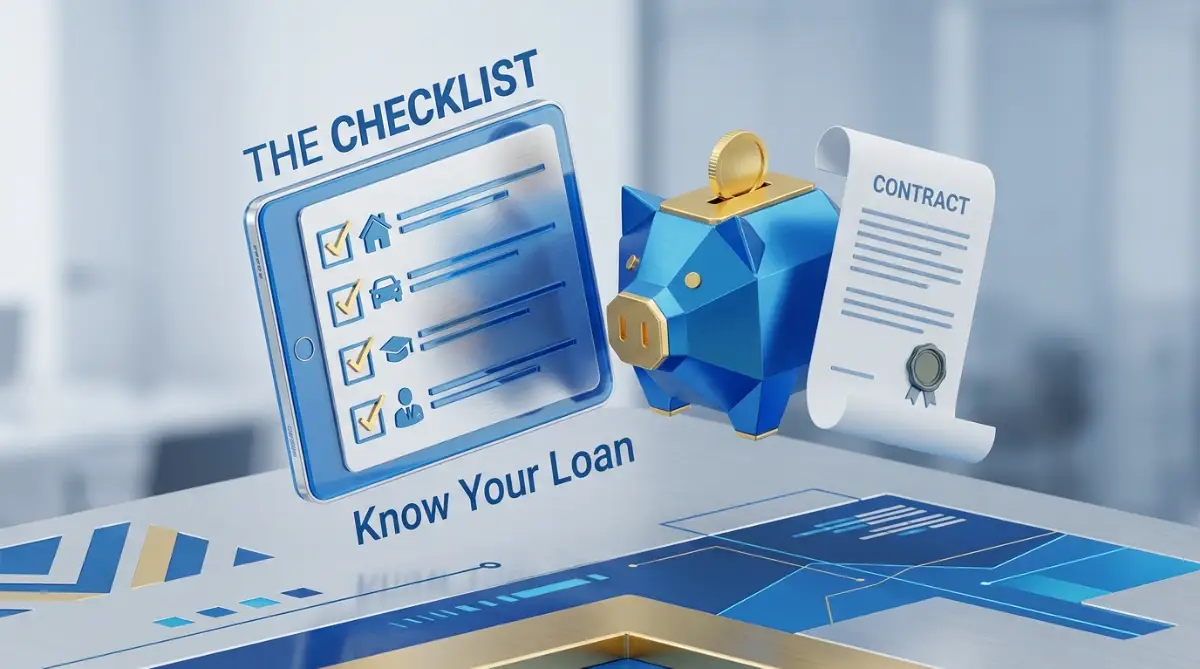
Uncovering Hidden Administrative and Processing Fees
Lenders often include "origination fees" or "processing charges" that are deducted from your loan amount before you even receive it. I once signed for a $5,000 loan, only to have $300 taken out immediately as a service fee. This reduced my effective cash flow significantly. Always ask for a complete breakdown of fees before finalizing the application. If they can’t show you a transparent list, walk away.
Understanding the Impact of Payment Intervals
Some loans require monthly payments, while others might ask for bi-weekly installments. This sounds like a minor detail, but it changes how your interest is calculated over time. Bi-weekly payments often save you money because you make more payments in a year, which lowers your total principal faster. Check the schedule carefully to ensure it matches your specific income cycle.
Pro Tip: My Personal Lesson
When I finally started reading my contracts, I noticed a "prepayment penalty" clause that I had completely missed. I planned to pay my loan off early to save on interest, but the contract stated I would be fined for doing so. I had to negotiate this specific line out of the document before I signed. My advice? Never be afraid to ask, "Can this clause be removed or modified?" You would be surprised how often a lender is willing to negotiate if you just show them that you are paying attention.
Evaluating the Consequences of Late Payments
Life happens, and sometimes a payment might be late. You must read the section titled "Default or Delinquency" to understand the consequences. Does the lender charge a flat fee, or does your interest rate jump to a "penalty rate" indefinitely? Knowing the cost of a missed payment helps you build a better emergency cushion.
Want to see how to calculate your real interest costs in seconds? Watch this video to learn the math behind the fine print:
Navigating Terms for Long-Term Flexibility
Ensure that the contract clearly states how you can communicate with the lender if you run into trouble. Is there a process for hardship relief or payment deferment? A good loan agreement isn't just about the money you get; it’s about the safety net that supports you if your financial situation changes suddenly. Always keep a physical or digital copy of the signed document in a secure place.
Mastering Your Financial Journey Beyond the Signature
Once you have signed that document, the real work begins. Managing your loan is not a one-time event; it is a long-term commitment that requires a sharp eye. I have found that setting up an automated payment schedule is the single best way to protect your financial standing. When you automate your payments, you remove the risk of human error or simple forgetfulness. You can find more on managing personal budget strategies to ensure these payments fit seamlessly into your lifestyle.
I also recommend creating a loan dashboard on your computer or in a notebook. List your total balance, your interest rate, and your final payoff date in one place. By watching your balance drop month by month, you stay motivated to stay on track. If you are struggling to keep up with your obligations, look into the secret financial toll of ignoring your loans to understand why proactive communication with your lender is better than silence.
Remember that your credit health is tied to how you handle these monthly installments. If you ever feel that your current loan terms are holding you back, check out this guide on the ultimate guide to interest rates to see if you can adjust your path. Keeping your debt-to-income ratio low is a smart move for your future. Even if you have a loan now, you can still focus on the ultimate blueprint to fixing your credit without new loans to keep your overall financial health in check.
Traps That Catch Even the Most Careful Borrowers
One of the most dangerous mistakes is ignoring your loan statements because they look intimidating. When you stop opening those envelopes or emails, you lose sight of your actual debt progress. This leads to missing small fees that eventually pile up into massive problems. Please remember these 5 hidden warning signs you should never take a loan as a reminder of what to watch for before you sign any new agreements.
Another common pitfall is paying only the "minimum amount" every single month. By doing this, you barely cover the interest, meaning your principal balance stays the same. It is like trying to empty a swimming pool with a teaspoon. You need to aim for extra payments whenever you have a little bit of cash left over. If you want to build a better foundation, consider looking at 7 proven ways to skyrocket your credit score to see how small changes impact your long-term success.
Finally, do not borrow for the sake of "improving" your credit profile without a clear plan. Many people believe they need to take out new loans to show they are responsible, but that is a dangerous myth. You can learn more about the secret blueprint to a better credit score, which proves you do not need new debt to grow your score. Avoid the temptation to use debt as a band-aid for deeper budget issues.
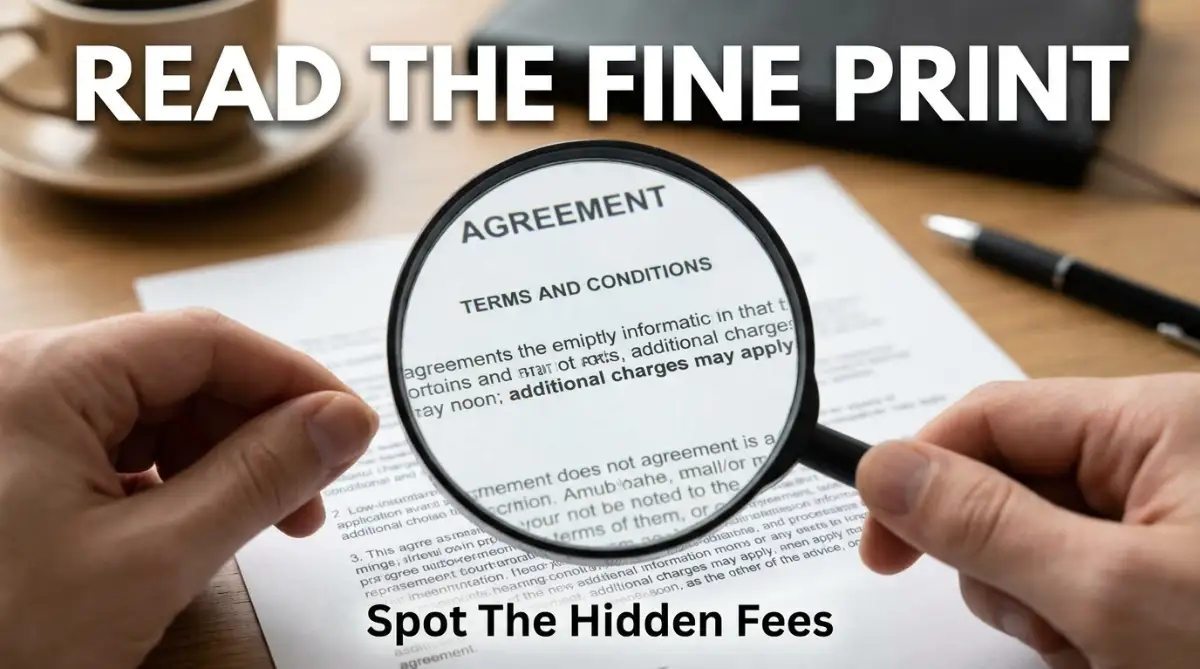
Your Path to Financial Clarity
Taking control of your loan agreements is the first step toward true financial freedom. By reading carefully, asking questions, and staying organized, you turn a complex contract into a simple map for your success. You possess the ability to master your money rather than letting your money master you.
I know from my own journey that it feels overwhelming at the start, but every small step counts. I found that once I started tracking my debt and paying attention to the fine print, my anxiety vanished. You have the power to do the same starting right now, so keep pushing forward.
Queries About Loan Agreements
Do I really need to read all 20 pages of a loan contract?
Yes, you should at least review the summary page and the section on fees. If you see terms you do not understand, ask the lender for a plain-English explanation.
What if my lender refuses to explain a clause?
That is a red flag. If a lender is not transparent about their terms, they might not be the right partner for your financial needs.
Can I change my repayment date?
Many lenders allow you to change your due date if you contact them before the first payment is due. Always ask about this during the application process.
Is it normal for my interest rate to change?
If you have a variable-rate loan, it is expected. However, if your loan is supposed to be fixed-rate, you should verify why any changes occurred immediately.
Disclaimer: This content is for educational purposes only and does not constitute professional financial or legal advice. Always perform your own research and consult with a licensed financial advisor or legal professional before signing any loan agreements or making significant financial decisions. You can refer to Consumer Financial Protection Bureau guidelines for further neutral information on borrowing rights.