The Burden of Unpaid Bills: When Every Day Feels Like a Struggle
I remember sitting at my kitchen table late at night, staring at a stack of envelopes that seemed to grow taller every month. My heart would race every time the phone rang, fearing it was another debt collector asking for money I simply didn't have. It felt like I was running on a treadmill, sweating and gasping for air, but never actually moving forward.
I had tried everything—cutting coupons, skipping dinners out, and picking up extra shifts until I was bone-tired. Yet, the interest rates kept eating away at my progress, and my bank account balance remained a depressing single-digit number. It wasn’t just the lack of money; it was the heavy cloud of stress that followed me into every room of my house.
My sleep was non-existent. I spent hours staring at the ceiling, doing mental math that never added up in my favor. You might know this feeling—the constant low-grade anxiety that makes you jump at every notification on your phone. You want a way out, and you want it right now.
That is exactly how I stumbled upon the idea of "debt consolidation." It sounded like the magic pill I had been looking for, a way to wash away the stress and simplify my life. But before you jump into that same pool, I want to share what I learned. Not everything that looks like a solution actually helps you get to the finish line.
When your debt feels like a mountain, even a small crack in the wall looks like an exit. However, if you don't understand the foundation of your financial mess, you might just be shifting your problems from one pile to another. Let’s look at why your peace of mind matters more than a quick fix and why you need a real strategy.
Analyzing Your Financial Snapshot: The First Step Toward Clarity
Before you even think about consolidating, you need to stop and look at the numbers. Most people think consolidation is a way to "hide" debt, but it is actually a way to restructure it. If your spending habits remain the same, consolidation will only provide a temporary bandage.
Mapping Out Your Current Debt Load
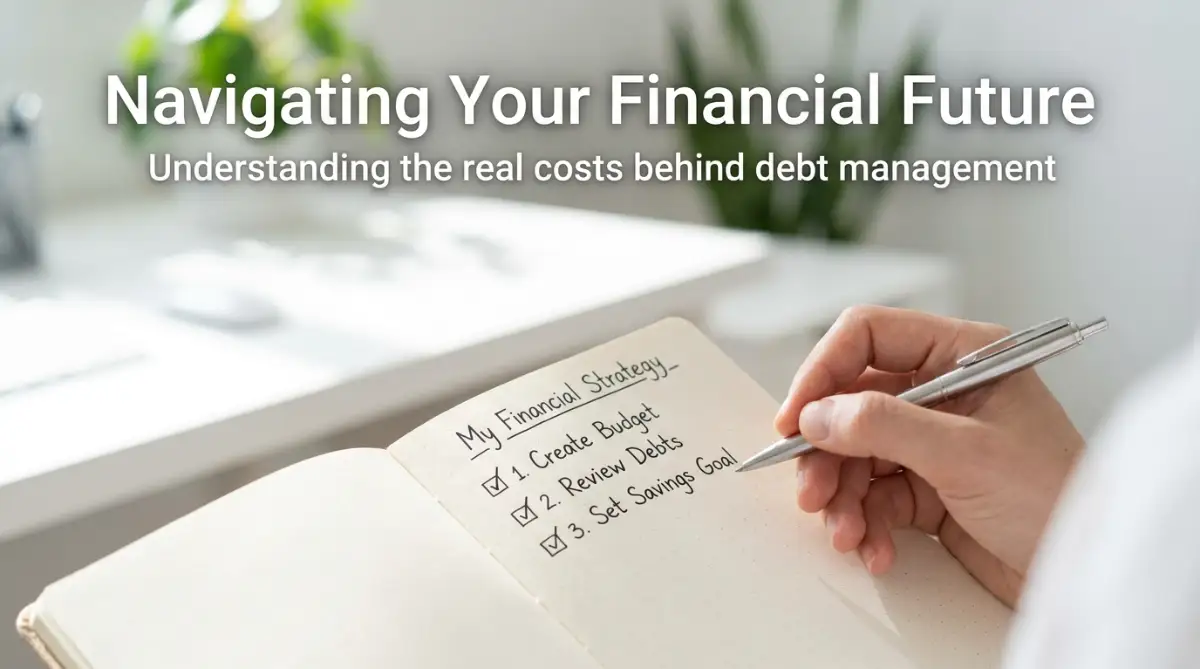
You must list every single debt you owe. Include the total balance, the interest rate, and the minimum monthly payment for each one. Write this down in a notebook or a simple spreadsheet. Seeing your total debt written down is a powerful moment that moves you from fear to control.
Calculating Your True Interest Rate
Add up the total amount of interest you pay every month. Often, people are surprised to find that they are paying more in interest than they are paying toward the actual principal balance. This is the moment you realize why you feel like you are standing still. If you can lower this number, you free up cash flow that can be used to pay off the debt faster.
Understanding the Consolidation Mechanics
Consolidation essentially means taking out one loan to pay off several others. The goal is to get a lower interest rate or a more manageable payment term. But there is a hidden cost you need to consider: the "origination fee" or administrative costs that lenders might charge.
Why the Math Must Work in Your Favor
If your new consolidated loan has a lower interest rate, you are winning. But if the term of the loan is significantly longer, you might end up paying more total interest over time. Always focus on the Total Cost of the Loan, not just the monthly payment. A smaller payment is tempting, but it is not always cheaper.
My Personal Realization on Debt
I once thought that if I just consolidated my credit cards, I would finally be "free." I signed the papers and felt a wave of relief, but I made a huge mistake: I left the credit cards open. Within six months, I had charged them up again because I felt like I had "new" space to work with. My lesson? Consolidation is a tool, not a lifestyle change. You have to lock away those cards or close them if you want to break the cycle for good.
Getting Serious: Actionable Steps to Take Today
You don't need a fancy consultant to get your finances in order. You just need consistency and a clear head.
Step 1: Audit Your Spending Patterns
Look at your bank statements from the last three months. Identify the "leaks" in your budget. Are there subscriptions you don't use? Are you eating out because of poor planning? Plug these leaks first, so you have extra money to throw at your debt, regardless of whether you choose to consolidate or not.
Step 2: The Snowball vs. Avalanche Method
Before jumping to consolidation, consider these two proven methods. The Snowball method focuses on paying off the smallest debt first to gain psychological momentum. The Avalanche method focuses on the debt with the highest interest rate to save you the most money. Choose one and stick to it with everything you have.
Step 3: Negotiating with Your Creditors
Many people are afraid to call their bank. Pick up the phone and ask if they can lower your interest rate. If you have a good payment history, they might say yes just to keep you as a customer. This simple step can sometimes be more effective than a consolidation loan.
Is Consolidation Truly the Right Move for Your Wallet?
To determine if consolidation is right for you, answer these three questions honestly. First, is your credit score strong enough to qualify for a low-interest rate? Second, are you committed to stopping the use of credit? Third, does the math show a clear reduction in total interest paid?
If the answer is yes, then proceed with caution. If you are struggling with the behavior behind your debt, focus on the behavioral side first. Financial freedom is not just about the numbers; it is about changing how you view money.
Understanding the Video Below
I have picked a video that explains how interest rates work in simple, everyday language. Watching this will give you the clarity you need to handle your debts without getting tricked by complex financial terms.
If you really want to change your financial trajectory, watch this guide carefully to see how interest can either be your enemy or your best friend.
Your Long-Term Financial Fortress
Now that you understand where your money is going, focus on building an emergency fund. Even a small buffer of a few hundred dollars can prevent you from using credit cards when life throws a curveball. Small, consistent habits create massive results over time.
Don't be discouraged if you don't see immediate changes. Financial health is a marathon, not a sprint. Keep your focus on your end goal, and remember that every dollar you pay off is a step toward a life with less stress and more freedom. You have the power to change your story starting today.
Stay consistent, stay focused, and keep moving forward. You are doing much better than you think.
Mastering the Art of Financial Stability Beyond Quick Fixes
After the initial phase of organizing your debts, you must now focus on maintaining your momentum. Many people fix their immediate issues but fall back into old habits within months. To keep your financial health in check, you need to treat your budget like a living, breathing document.
The Secret Power of the Zero-Based Budget
A zero-based budget means every single dollar you earn has a specific job. You assign your income to categories like rent, food, savings, and debt payments until you hit zero. This prevents "phantom spending" where money disappears into small, unnecessary purchases that eventually mount up. You can learn more about managing a personal budget by tracking these small leaks daily.
Building a Safety Net to Prevent Future Borrowing
Most debt happens because life happens—a broken car, a medical bill, or an unexpected home repair. If you do not have an emergency fund, you will always be one bad day away from needing new credit. Even if you start by saving just a few dollars a week, prioritize this before aggressively paying down low-interest debt. Check out these 7 proven ways to skyrocket your credit score to understand how stability impacts your long-term score.
Monitoring Your Progress Like a Pro
Set a date once a month to review your progress. Do not just look at your bank balance; look at your total debt-to-income ratio. Seeing your progress in black and white provides a massive dopamine hit that keeps you motivated. If you feel like your progress is stalled, it is often because you are ignoring the root cause of the debt, which you can read about in this guide to fixing your credit without new loans.
The Psychology of Spending and Saving
Financial experts often point out that debt is rarely a math problem; it is a behavioral one. For instance, research from the Consumer Financial Protection Bureau highlights how understanding your rights and your own spending triggers is half the battle. When you realize that buying things is often an emotional stress response, you stop using shopping as a coping mechanism.
The Invisible Traps That Catch Even the Smartest Savers
While searching for relief, it is easy to fall into traps that actually make your situation worse. Avoiding these common pitfalls is just as important as having a good plan.
Falling for the "Lower Monthly Payment" Illusion
Many people choose a consolidation loan just because the monthly payment is lower. They fail to notice that the loan term has been stretched from three years to seven years. You end up paying significantly more in interest over the life of the loan. Always calculate the Total Interest Cost before signing anything.
Treating Credit Cards Like Extra Income
A common mistake is thinking that once you consolidate your credit cards, you have "clean" cards to use again. This is a dangerous path. If you do not change your spending behavior, you will end up with your consolidated loan and new credit card debt. Read about these hidden warning signs you should never take a loan to ensure you aren't making a regretful decision.
Ignoring the Hidden Fees of Consolidation
Some lenders charge origination fees, application costs, or balance transfer fees that eat up your savings. If you aren't reading the fine print, you might pay hundreds in upfront costs just to move your debt around. Always ask for the Annual Percentage Rate (APR), which includes all these extra costs, not just the base interest rate.
Losing Sight of the Long-Term Goal
When you feel a little bit of relief, it is tempting to ease off the gas pedal. People often stop their strict budget as soon as the pressure drops. But this is exactly when you need to be the most disciplined. Reviewing the secret financial toll of ignoring your loans can serve as a sober reminder of why you started this journey.
Your Path Toward Lasting Financial Freedom
Taking control of your finances is the single best gift you can give yourself. It is not about being rich tomorrow, but about sleeping soundly at night without worrying about the next bill. You have all the tools you need to build a life where money serves you, rather than you serving your debt.
Turning Knowledge Into Daily Action
Start today by listing your debts and picking one strategy to attack them. Do not wait for the "perfect" time because that time never comes. If you need help with the details, the secret blueprint to a better credit score offers a step-by-step look at how to get back on track. Remember that every small payment is a victory.
I know how heavy the weight of debt feels, but I also know the incredible lightness you feel when you finally take ownership of your money. My journey wasn't easy, but taking the first step changed everything for me. You have the strength to do this, so take one small step right now and reclaim your future.
Common Questions About Managing Debt Successfully
Will consolidation hurt my credit score?
Initially, your score might dip slightly due to a hard inquiry. However, if you use the loan to pay off revolving credit card debt, your utilization ratio drops, which usually boosts your score in the long run.
Can I consolidate if I have bad credit?
It is difficult to get a low-interest consolidation loan with poor credit. You might be offered loans with very high interest rates, which could be worse than your current situation. Focus on the ultimate guide to interest rates to understand what terms are actually fair.
What if I cannot afford a consolidation loan?
If you don't qualify, don't worry. Stick to the Snowball or Avalanche methods to pay down your debts organically. These methods work regardless of your credit score and help you build better habits.
How do I stop myself from using credit cards again?
The best way is to physically remove the cards from your wallet or delete them from your online shopping accounts. Make it inconvenient to use them until you have developed better self-control.
Disclaimer: The information provided in this post is for educational purposes only and does not constitute professional financial, tax, or legal advice. Every financial situation is unique, and you should consult with a qualified professional before making significant decisions regarding your debts or financial planning. I am not a financial advisor, and this content is based on personal research and experience.